
How Vaccines work.
Vaccines are one of the greatest advancements in medical science, playing a crucial role in preventing infectious diseases and safeguarding public health.

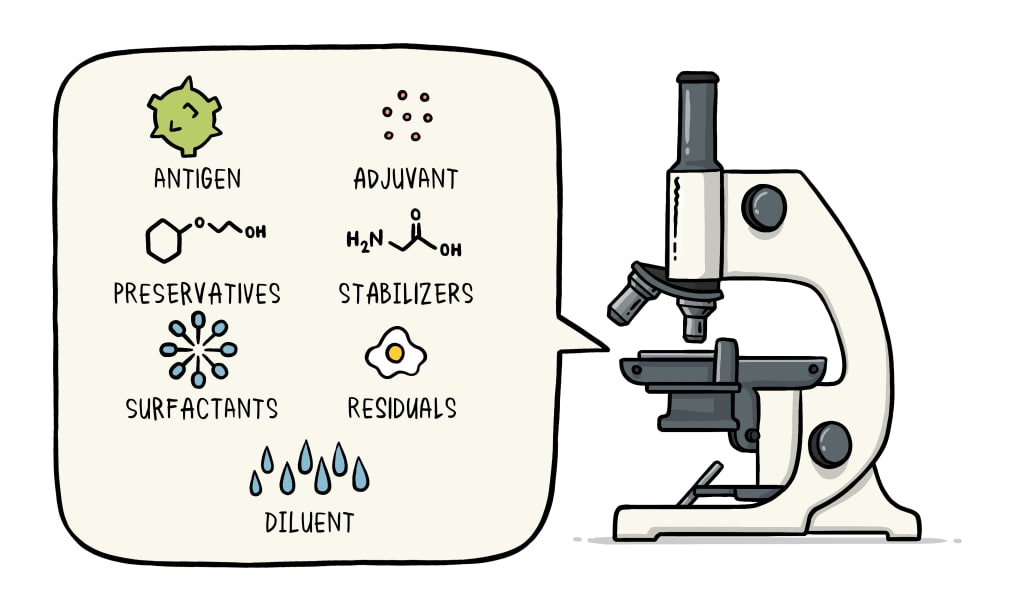
Vaccines work by stimulating the body's immune system to recognize and combat harmful pathogens without causing the actual disease. This process not only protects individuals but also contributes to herd immunity, reducing the spread of infections within communities.
Understanding the Immune System
To comprehend how vaccines function, it is essential to understand the immune system's role in defending the body against infections. The immune system is a complex network of cells, tissues, and organs that identify and neutralize harmful invaders such as bacteria, viruses, and other pathogens.
When a pathogen enters the body, the immune system recognizes it as foreign and triggers a defense response. White blood cells, specifically B cells and T cells, play a significant role in this process. B cells produce antibodies, which are proteins that target and neutralize the pathogen. T cells help in destroying infected cells and coordinate the immune response. After an infection, the immune system retains a memory of the pathogen, allowing it to respond more rapidly if exposed to the same pathogen again in the future.
Types of Vaccines and Their Mechanisms
Vaccines mimic infections without causing the disease, training the immune system to recognize and combat pathogens. Different types of vaccines achieve this in various ways:
Live Attenuated Vaccines: These vaccines contain weakened forms of the pathogen that can still replicate but do not cause serious disease in healthy individuals. The immune system responds by generating a strong and long-lasting immunity. Examples include the measles, mumps, and rubella (MMR) vaccine and the oral polio vaccine.
Inactivated Vaccines: These vaccines contain pathogens that have been killed or inactivated so they cannot replicate. While they do not produce as strong an immune response as live vaccines, they are safer for people with weakened immune systems. Examples include the inactivated polio vaccine and the hepatitis A vaccine.
Subunit, Recombinant, and Conjugate Vaccines: These vaccines contain only specific pieces of the pathogen, such as proteins or sugars, which stimulate an immune response. By using only key components of the pathogen, these vaccines minimize the risk of adverse effects. Examples include the human papillomavirus (HPV) vaccine and the hepatitis B vaccine.
mRNA Vaccines: These vaccines use messenger RNA (mRNA) to instruct cells to produce a harmless piece of the pathogen’s protein, which then triggers an immune response. The COVID-19 vaccines developed by Pfizer-BioNTech and Moderna use this technology, which has proven highly effective.
Viral Vector Vaccines: These vaccines use a modified virus (not the pathogen itself) to deliver genetic instructions to cells, prompting them to produce an immune response. The AstraZeneca and Johnson & Johnson COVID-19 vaccines are examples of this type.
The Vaccination Process
When a person receives a vaccine, the immune system reacts by producing antibodies and activating immune cells. This response prepares the body to recognize and fight the pathogen if exposed in the future. Some vaccines require multiple doses to build and maintain immunity, such as the tetanus vaccine, which needs booster shots over time.
Herd Immunity and Public Health Impact
Vaccination not only protects individuals but also contributes to herd immunity, which occurs when a significant portion of the population is immune to a disease, reducing its spread. This is especially crucial for protecting vulnerable individuals who cannot receive vaccines, such as newborns and people with weakened immune systems.
For example, widespread vaccination efforts have led to the eradication of smallpox and a dramatic decline in diseases such as polio and measles. Maintaining high vaccination rates is essential for preventing outbreaks and ensuring public health.
Vaccine Safety and Development
Vaccines undergo Rigorous testing and evaluation before they are approved for public use. The development process includes several phases:
Preclinical Testing: Scientists study the vaccine in laboratories and on animals to assess its safety and effectiveness.
Clinical Trials: Human trials occur in three phases:
Phase 1: A small group of volunteers tests the vaccine’s safety and appropriate dosage.
Phase 2: A larger group is tested to further evaluate safety and immune response.
Phase 3: Thousands of participants receive the vaccine to confirm its effectiveness and identify any rare side effects.
Regulatory Approval: If the vaccine proves to be safe and effective, regulatory agencies such as the FDA (U.S. Food and Drug Administration) approve it for public use.
Post-Marketing Surveillance: Even after approval, vaccines are continuously monitored for any long-term side effects or rare adverse reactions.
Addressing Vaccine Hesitancy
Despite their proven effectiveness, some individuals remain hesitant to receive vaccines due to misinformation or concerns about side effects. Public health organizations emphasize transparent communication and education to address misconceptions. Vaccines undergo extensive testing and monitoring to ensure safety, and the benefits of vaccination far outweigh the risks of preventable diseases.
Conclusion
Vaccines are a cornerstone of modern medicine, providing protection against infectious diseases and reducing their spread. By mimicking natural infections without causing illness, they train the immune system to respond effectively to pathogens. Different types of vaccines cater to various diseases, and rigorous safety protocols ensure their effectiveness. Through vaccination, individuals and communities benefit from improved public health and the prevention of severe illnesses.
About the Creator
Badhan Sen
Myself Badhan, I am a professional writer.I like to share some stories with my friends.
Keep reading
More stories from Badhan Sen and writers in Earth and other communities.
Why water expands when it freezes.
This phenomenon can seem a bit counterintuitive at first because most materials contract when they transition from liquid to solid. However, water behaves differently due to the unique properties of its molecules and the hydrogen bonds between them.
By Badhan Sen12 months ago in Earth
I Spoke to Astrophysicists About Starlink’s Expansion: The Doomsday Scenario Keeping Them Up at Night
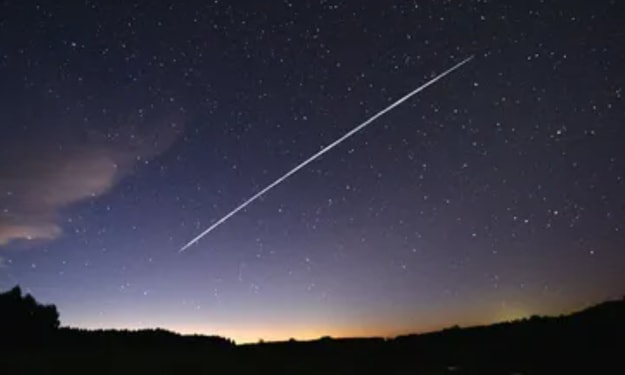
SpaceX’s Starlink project has captured headlines for its ambitious goal: provide high-speed internet across the globe by deploying thousands of low-Earth orbit satellites. While the idea of connecting remote communities is exciting, astrophysicists and space experts are sounding the alarm about a growing doomsday scenario that could threaten both space exploration and our ability to observe the night sky. After speaking to several astrophysicists, it’s clear that Starlink’s expansion, if unchecked, could dramatically alter Earth's orbital environment, disrupt astronomical observations, and even increase the risk of space debris collisions. Here’s what experts are warning the public about. The Scale of Starlink’s Expansion As of now, SpaceX has launched over 4,000 Starlink satellites, with plans to deploy tens of thousands more in the coming years. Each satellite orbits at altitudes between 340 km and 1,200 km, which places them in the low-Earth orbit region used by countless other satellites and scientific missions. Astrophysicists point out that this rapid proliferation is unprecedented. Dr. Lisa Montez, an astronomer specializing in satellite impacts on optical telescopes, told me, “We are looking at a situation where the density of satellites is increasing faster than anyone has fully planned for. This is uncharted territory.” The problem isn’t just the sheer number of satellites—it’s the concentration in specific orbital bands, which makes collisions more likely and complicates orbital management. The Night Sky Is at Risk For centuries, humanity has marveled at the stars, studying the cosmos to better understand our place in the universe. But astrophysicists warn that Starlink is dramatically altering the night sky, making it more challenging to conduct research and enjoy unpolluted stargazing. Every time a telescope captures an image, the reflective surfaces of Starlink satellites can leave streaks of light, masking or distorting the data. “Even a single bright satellite passing through a telescope’s field of view can ruin an entire night of observation,” Dr. Montez explains. Observatories around the world are already noticing the impact. The Vera C. Rubin Observatory in Chile, set to be one of the most advanced facilities for studying dark matter and the evolution of galaxies, may see thousands of Starlink satellites crossing its field of view nightly, potentially reducing the quality of its data and increasing processing costs. The Doomsday Scenario: Space Debris Beyond observations, astrophysicists are increasingly concerned about space debris, which could trigger a cascading chain reaction known as Kessler Syndrome. This occurs when collisions between satellites produce debris that then hits other satellites, creating more debris in an accelerating feedback loop. Professor Rajesh Patel, a space environment specialist, told me, “If a few hundred Starlink satellites collide, it could create tens of thousands of fragments. That would threaten other satellites, international space missions, and even human spaceflight.” Space debris doesn’t just float harmlessly—it travels at speeds over 28,000 km/h, enough to destroy functional satellites or damage spacecraft. With tens of thousands of Starlink satellites planned, the potential for catastrophic collisions is growing, especially since low-Earth orbit is already crowded. Mitigation Efforts and Controversies SpaceX has acknowledged these concerns and claims to implement collision avoidance protocols, using automated systems to maneuver satellites out of harm’s way. The company also plans for satellites to deorbit at the end of their lifespan, burning up in the atmosphere. However, experts argue that these measures may not be enough. Automated systems can fail, and human error or unexpected orbital dynamics could still lead to accidents. Furthermore, the sheer number of satellites makes it difficult to track and manage each one effectively, particularly as other private companies and nations plan similar mega-constellations. Dr. Montez adds, “Even if every satellite works perfectly, the night sky is already changing. The aesthetic and scientific impacts are immediate, whereas collision risks are looming but potentially devastating.” Broader Implications for Humanity The expansion of Starlink raises ethical and regulatory questions. Who has the right to fill low-Earth orbit? How much impact on astronomy and scientific research is acceptable for the sake of global internet coverage? International regulatory bodies like the United Nations Office for Outer Space Affairs (UNOOSA) and the Federal Communications Commission (FCC) have some oversight, but critics argue that global coordination is lagging behind corporate launches. Without international agreements and enforceable regulations, the sky could become a congested and hazardous environment, impacting both science and commerce. Astrophysicists emphasize that this isn’t just a matter of aesthetics. The ability to observe celestial phenomena affects climate science, space weather monitoring, and tracking near-Earth objects. If observations are increasingly compromised, our understanding of Earth and space could suffer. What Can Be Done? Experts suggest several strategies to mitigate risks: International Coordination: Global treaties or agreements to regulate satellite density and orbital placement. Reflectivity Reduction: Coating satellites to reduce brightness and their impact on telescopes. Enhanced Tracking Systems: Better monitoring of orbital debris and automated collision avoidance. Selective Deployment: Careful planning to avoid overcrowding specific orbital bands. While SpaceX is implementing some of these solutions, astrophysicists argue that industry self-regulation is insufficient. They advocate for a coordinated international approach to protect both scientific research and long-term orbital sustainability. Conclusion The expansion of Starlink represents a remarkable technological achievement, promising global internet access and unprecedented connectivity. Yet it also highlights the unintended consequences of space commercialization, including the potential for a cluttered sky, disrupted astronomy, and catastrophic space debris collisions. Astrophysicists remain vigilant. They warn that without careful oversight, humanity could face a doomsday scenario in low-Earth orbit, jeopardizing scientific discovery and space safety for generations. As we continue to celebrate innovations like Starlink, it’s crucial to remember that the sky belongs to all of us—scientists, enthusiasts, and everyday observers alike. Balancing technological progress with environmental stewardship of space may be one of the most critical challenges of the 21st century.
By Muhammad Hassanabout 22 hours ago in Earth



Comments (2)
Hello, just wanna let you know that if we use AI, then we have to choose the AI-Generated tag before publishing 😊
Vaccines are fascinating! Good to know how they work! Good job!