
The Effect of Deforestation on Indigenous Peoples and Their Livelihoods
Exploring How Deforestation Threatens the Livelihoods and Cultures of Indigenous Communities

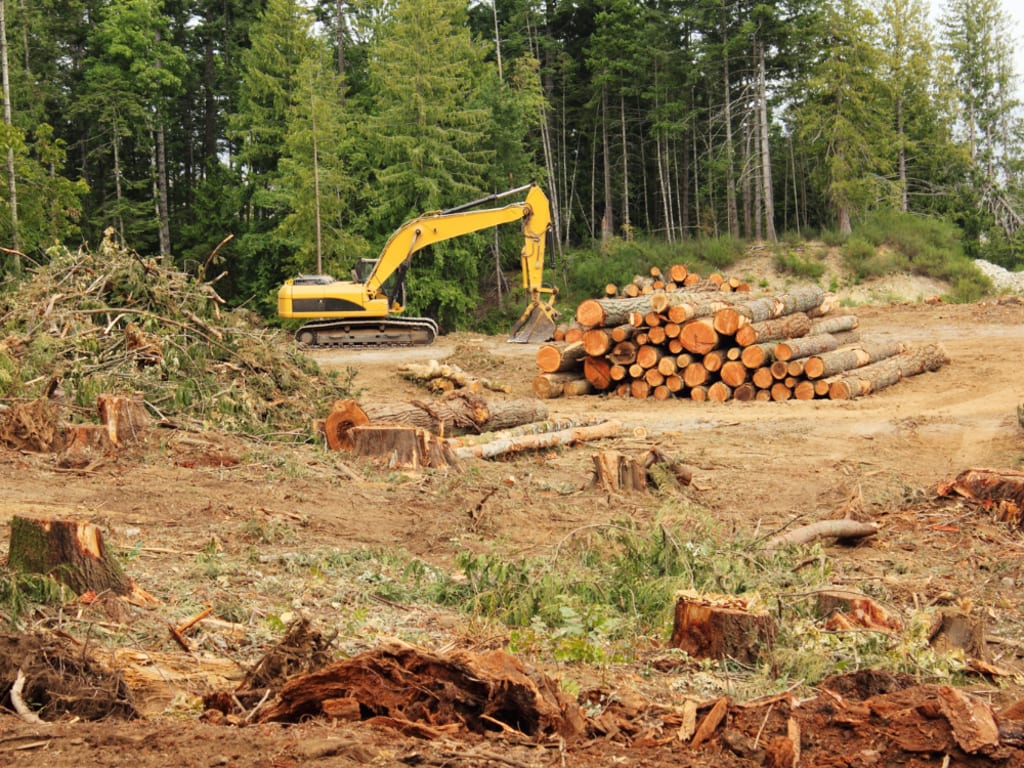
Deforestation, the widespread clearing of forests, has far-reaching consequences for both the environment and human communities. Among the most affected are indigenous peoples, who have long relied on forests for their livelihoods, cultural identity, and well-being. In this article, we will delve into the profound impact of deforestation on indigenous communities, exploring the social, economic, cultural, and environmental consequences they face as their ancestral lands are degraded and destroyed.
Forests as Cultural and Spiritual Identity
For many indigenous peoples, forests are deeply intertwined with their cultural and spiritual identity. Forests hold significant cultural and historical value, serving as sacred spaces, sources of traditional knowledge, and the foundation of cultural practices and ceremonies. Deforestation disrupts these connections, eroding cultural heritage and the spiritual bond between indigenous communities and their ancestral lands.
Displacement and Loss of Land Rights
Deforestation often leads to the displacement of indigenous communities, as their traditional lands are encroached upon or destroyed. Land grabs, illegal logging, and large-scale infrastructure projects drive indigenous peoples away from their homes, disrupting their social fabric and traditional ways of life. The loss of land rights and forced relocation undermine indigenous autonomy and can result in social marginalization, poverty, and loss of cultural identity.
Threats to Livelihoods and Subsistence
Indigenous communities rely heavily on forests for their subsistence and livelihoods. Forests provide food, medicinal plants, materials for shelter and crafts, and opportunities for hunting and gathering. Deforestation disrupts these traditional livelihood practices, reducing access to vital resources and undermining food security. Indigenous peoples are often forced to adopt alternative and often unsustainable livelihood strategies, leading to economic vulnerability and dependence on external systems.
Loss of Biodiversity and Ecological Knowledge
Forests harbor immense biodiversity, and indigenous peoples have long served as custodians of this rich natural heritage. Their traditional ecological knowledge and sustainable resource management practices have contributed to the preservation of biodiversity and the balance of ecosystems. Deforestation disrupts these delicate ecosystems, resulting in the loss of plant and animal species, erosion of ecological knowledge, and diminished resilience of local ecosystems.
Climate Change Impacts
Forests play a crucial role in mitigating climate change by sequestering carbon dioxide and regulating regional climates. Deforestation contributes significantly to greenhouse gas emissions, exacerbating climate change. Indigenous communities, who often have a deep understanding of the forest's ecological dynamics, are disproportionately affected by climate change impacts such as altered rainfall patterns, increased frequency of natural disasters, and changing ecosystems. These changes further jeopardize their livelihoods and well-being.
Threats to Human Rights and Social Justice
Deforestation and the marginalization of indigenous peoples are intertwined with broader issues of human rights and social justice. Indigenous communities often face discrimination, land encroachments, violence, and conflicts as they defend their territories and rights. Deforestation exacerbates these injustices, leading to human rights violations, land disputes, and social conflicts.
Indigenous Land Stewardship and Conservation
Indigenous peoples have long demonstrated their role as effective stewards of the land. Their traditional knowledge, land management practices, and spiritual connections to forests contribute to sustainable conservation efforts. Recognizing and supporting indigenous land rights, including secure tenure and legal protection, empowers indigenous communities to continue their vital role in forest conservation and ecosystem preservation.
Collaborative Conservation Approaches
Recognizing the importance of indigenous knowledge and the value of traditional ecological practices, collaborative conservation approaches are gaining recognition. Engaging indigenous communities in decision-making, land management, and conservation initiatives can enhance conservation efforts, promote sustainable development, and empower indigenous peoples to protect their lands and livelihoods.
Policy and Legal Frameworks
Effective policy and legal frameworks are essential to protect indigenous rights and address deforestation. Strengthening indigenous land rights, implementing participatory land-use planning, and promoting inclusive governance structures are crucial steps. International commitments, such as the United Nations Declaration on the Rights of Indigenous Peoples (UNDRIP), provide a foundation for ensuring the rights and well-being of indigenous peoples.
Building Partnerships and Solidarity
Addressing the impact of deforestation on indigenous peoples requires collaborative efforts and solidarity among diverse stakeholders. Engaging indigenous communities in decision-making processes, supporting sustainable livelihood alternatives, and fostering partnerships among governments, civil society, and indigenous organizations are vital in ensuring the protection of indigenous rights and the preservation of forests.
In conclusion, the effect of deforestation on indigenous peoples and their livelihoods is profound and multifaceted. Safeguarding indigenous rights, recognizing their role as environmental stewards, and addressing the drivers of deforestation are essential for protecting both the well-being of indigenous communities and the conservation of forests. Upholding social justice, promoting inclusive governance, and fostering collaborative partnerships are key steps in mitigating the impacts of deforestation and supporting indigenous peoples in their struggle for land rights, cultural preservation, and sustainable livelihoods.
Enjoyed the read? Show your support for my future pieces with a small contribution. Every gift counts!
About the Creator
Gokhan Polard
As an experienced ERC Referral Specialist, my primary dedication lies in assisting businesses in the journey towards financial success. https://ercsolutionshub.com/
Keep reading
More stories from Gokhan Polard and writers in Earth and other communities.
Why Climate Adaptation is as Important as Mitigation Strategies
When it comes to addressing the challenges of climate change, mitigation strategies often take center stage. These strategies focus on reducing greenhouse gas emissions and slowing down the pace of global warming. However, alongside mitigation efforts, climate adaptation plays a crucial role in building resilience and managing the impacts of climate change that are already occurring. In this article, we will explore why climate adaptation is as important as mitigation strategies and highlight the key reasons why it deserves equal attention and priority.
By Gokhan Polard3 years ago in Earth
Harmful Effects of the Environment
The environment is the natural world around us. It includes air, water, land, plants, animals, and all living and non-living things that support life on Earth. A healthy environment is very important for the survival and well-being of humans, animals, and plants. However, in recent years, the environment has been facing serious harm due to human activities. Pollution, deforestation, and climate change are some of the major environmental problems that are affecting the world today. These harmful effects are not only damaging nature but also creating serious challenges for human life.
By aadam khanabout 10 hours ago in Earth



Comments
There are no comments for this story
Be the first to respond and start the conversation.