
The Dream Backyard?
Wouldn't it be nice if it was self sufficient?

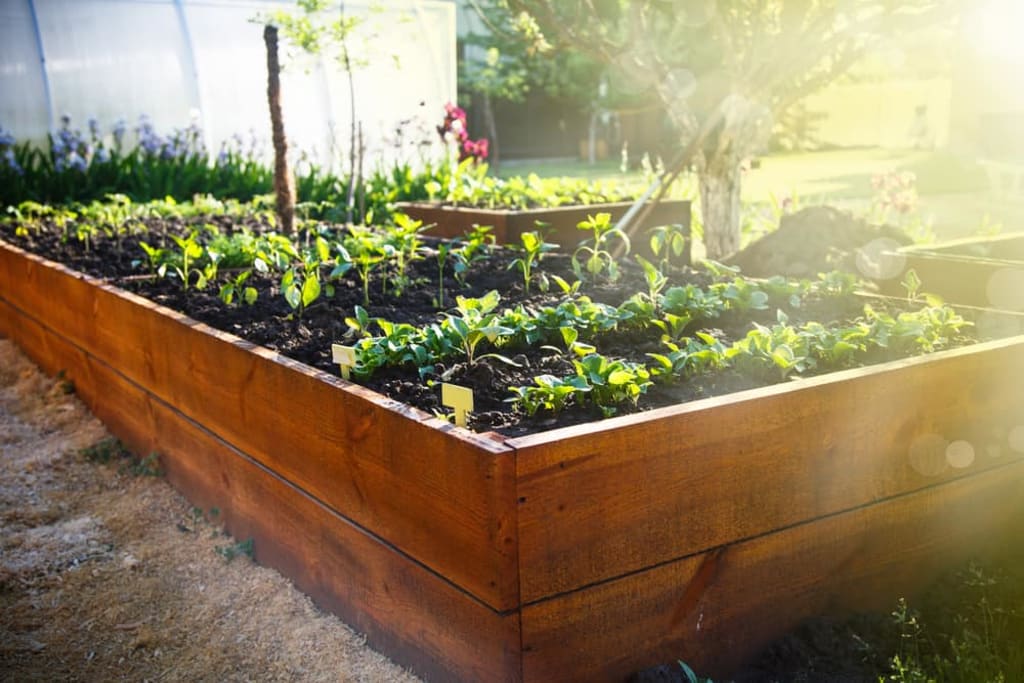
A self-sufficient backyard: Growing your own food and living off the land
Are you tired of constantly relying on grocery stores for fresh produce and other necessities? If so, it may be time to consider creating a self-sufficient backyard.
By growing your own food, you can ensure that you have access to fresh, nutritious produce at all times. Not only is this good for your health, but it's also good for the environment, as it reduces the carbon footprint associated with food transportation.
>The self sufficient backyard book <
Here are some tips for creating a self-sufficient backyard:
1. Plan your garden: Start by mapping out your garden area and deciding what you want to grow. Consider factors such as sunlight, water access, and soil quality when making your decisions. You can also consider companion planting, where you plant certain crops together that benefit each other. For example, planting beans near corn can help support the beans as they grow, while the corn provides shade and reduces competition for sunlight.
2. Start small: If you've never gardened before, it's ideal to do so. As you gain experience and confidence, you can gradually expand your garden. To begin, think about growing a few herbs or veggies in pots or a little raised bed. You can increase the number of crops and garden beds in your garden as you develop knowledge and self-assurance.
3. Choose the right plants: Select plants that are well-suited to your climate and growing conditions. Consider planting crops that are easy to grow, such as lettuce, spinach, tomatoes, and beans. You can also consider planting fruit trees and berry bushes, such as strawberries, raspberries, and blackberries, for a constant supply of fresh fruit. When choosing plants, make sure to research their growing requirements, including water, sunlight, and soil needs.
4. Make use of compost: Composting is an excellent way to provide your plants with the nutrients they need to grow. You can compost food scraps, yard waste, and other organic materials to create a rich, fertile soil. Composting is not only good for your plants, but it's also good for the environment, as it reduces the amount of waste that goes to landfills. To start composting, simply find a suitable location in your yard and start adding organic materials, such as vegetable scraps, leaves, and grass clippings.
5. Conserve water: Water is a precious resource, so make sure you're using it wisely in your garden. Consider installing a rain barrel or using drought-tolerant plants to reduce your water usage. You can also mulch your garden beds to help retain moisture and reduce water evaporation. Additionally, make sure to water your plants deeply, but infrequently, to encourage deep root growth.
6. Practice organic gardening: By avoiding the use of harmful chemicals, you can ensure that your food is free from toxins and that the environment is protected. Organic gardening is also better for the health of your soil, as it allows beneficial microorganisms to thrive and helps to maintain soil fertility. When starting an organic garden, make sure to research natural pest control methods, such as companion planting, crop rotation, and hand-picking pests, to keep your plants healthy and protected.
7. Consider livestock: If you have the space, consider raising livestock, such as chickens or rabbits, for a constant supply of eggs and meat. Livestock can be a great addition to a self-sufficient backyard, as they provide valuable fertilizer for your garden and help to control pests. Just be sure to research the requirements for each type of livestock, including space, food, and water needs, before making a decision.
By creating a self-sufficient backyard, you can enjoy fresh produce year-round and take control of your food source. Not only is this good for your health, but it's also a rewarding experience, as you watch your plants grow and mature. So why wait? Get started today and enjoy the benefits of a self-sufficient backyard! - >The self sufficient backyard book <
About the Creator
Liam Sibley
Welcome all!
Sporting/Fitness/Motivation - Just some of the things I love
Check out my stories if you have the time, means a lot.
Keep reading
More stories from writers in Earth and other communities.
Homeowners Don’t Want to Move: The Big Deal About Shrinking Backyards
In neighborhoods across the country, a subtle but growing trend is taking root: homeowners aren’t moving, and it’s not just because of the housing market. Many are staying put because their backyards—once spaces for relaxation, gardening, and family fun—are shrinking, either physically due to new development or symbolically as life priorities shift. What may seem like a minor detail—an ordinary backyard—is, for many, a defining feature of home life. Losing it can change how people live, play, and even feel about their communities. This shift has consequences for families, urban planning, and even the way cities are designed. It also sheds light on why homeowners are willing to compromise on size, style, or even location rather than give up their outdoor space. Why Backyards Matter More Than Ever Backyards are more than just patches of grass. They are extensions of our living space, providing: Personal outdoor retreats for reading, gardening, or hosting friends. Safe spaces for children and pets to play. Social hubs for barbecues, birthdays, and neighborhood gatherings. Mental and physical health benefits, including fresh air, sunlight, and exercise. For families who have invested years into landscaping, planting trees, or building decks and patios, the backyard is an emotional asset. Moving to a new home often means losing these personal touches—and many homeowners aren’t willing to take that step. “Backyards are part of our identity,” says Laura Jennings, a landscape designer in suburban Chicago. “People have memories tied to them—first steps, garden harvests, family barbecues. That’s why so many homeowners are staying put, even if it’s tempting to relocate for a bigger house or a better neighborhood.” The Trend of Shrinking Yards Urban densification and suburban development have slowly eaten into traditional backyard space. In many cities, large lots are being replaced with townhomes, duplexes, or small-lot single-family homes. Even in suburban neighborhoods, new constructions often prioritize indoor square footage over outdoor space. The shrinking backyard trend has several effects: Less room for recreation: Families may struggle to fit a swing set, pool, or garden into a smaller yard. Increased desire to stay put: Homeowners prefer maintaining a familiar outdoor space rather than trading it for a slightly larger indoor area. Higher emotional attachment: As yards become more limited, the significance of every tree, patch of grass, or vegetable garden grows. For many, the choice isn’t just about square footage—it’s about quality of life. Homeowners Are Making Trade-Offs As a result, more homeowners are staying in place longer, even if it means: Skipping a bigger kitchen or extra bedroom. Living in a less “trendy” neighborhood. Paying more in maintenance or property taxes to keep a cherished yard intact. Some have embraced innovative backyard solutions to maximize smaller spaces: Vertical gardens and container planting. Multi-functional patios that serve as dining, lounging, and play areas. Creative landscaping, including raised beds, pergolas, and tiny ponds. These adaptations allow homeowners to maintain the sense of space and enjoyment they’ve built over years without relocating. Emotional and Social Dimensions Beyond practical reasons, the backyard has a symbolic meaning. It represents: Continuity and stability: Homeowners see staying put as preserving a lifestyle. Family history: Many yards hold stories—graduations, summer afternoons, first bike rides. Community connection: Long-term residents know neighbors, local schools, and nearby amenities. Moving often means giving up these ties. A survey by the National Association of Home Builders found that over 60% of homeowners aged 35–55 preferred staying in their current homes, citing yard size and outdoor enjoyment as key factors. For these individuals, giving up a backyard is not a small inconvenience—it’s a major life decision. The Impact on Neighborhoods and Cities The trend of staying put also affects broader urban and suburban planning. Fewer homeowners moving means: Less turnover in neighborhoods, which can reduce housing market fluidity. Pressure on developers to include quality outdoor space in new builds. Greater demand for parks and community green spaces, as private yards shrink. Urban planners and developers are noticing the importance of outdoor space in retention and satisfaction metrics. Homes with usable yards, green roofs, or communal gardens often have higher value and attract long-term residents. The Future of Backyard Living As city lots shrink and suburban sprawl continues, homeowners are adapting: Smaller, highly curated gardens instead of sprawling lawns. Multi-functional backyards designed for work, play, and entertainment. Investment in outdoor amenities such as fire pits, decks, or small pools. Some communities are exploring shared backyard concepts, like community gardens and pocket parks, to supplement shrinking private spaces. While these aren’t a complete replacement for personal yards, they provide social and environmental benefits and may encourage homeowners to stay in their homes longer. Conclusion: More Than Grass and Trees Shrinking backyards might seem like a minor design issue, but for homeowners, it’s deeply tied to lifestyle, family life, and personal identity. The reluctance to move is not just a reaction to the housing market; it reflects an emotional, social, and practical connection to outdoor space that indoor square footage alone can’t replace. As urban density grows and lot sizes shrink, the importance of backyards will continue to shape homeowner decisions, neighborhood design, and community dynamics. Families are showing that a yard is not just grass and trees—it’s a place of memory, freedom, and connection. In a world where real estate trends often prioritize indoor luxury, the backyard remains a powerful symbol of home, anchoring families to the places they love—and keeping many from moving at all
By Muhammad Hassan5 days ago in Earth
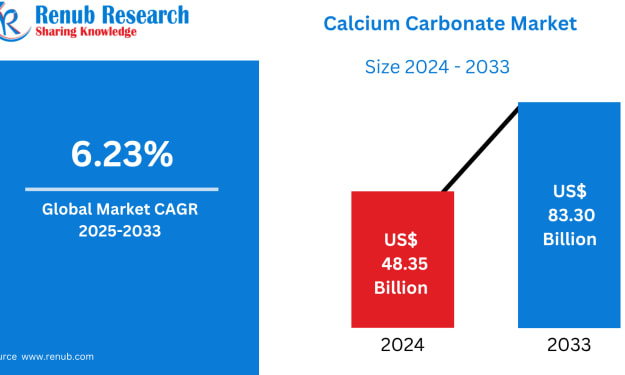
Global Calcium Carbonate Market Size & Forecast 2025–2033
Introduction: A Quiet Giant of Global Industry Calcium carbonate may not be a headline-grabbing material, but it is one of the most indispensable compounds in modern industrial life. Found naturally in limestone, marble, and chalk, this humble mineral underpins everything from the buildings we live in to the paper we write on and the plastics we use every day. Its low cost, wide availability, and remarkable versatility have made it a cornerstone raw material across multiple industries worldwide.
By jaiklin Fanandish5 days ago in Earth
Autonomy Is The Real Privilege
Good morning, freedom-seekers! Today we’re gonna be looking at autonomy. A strange word, I know; one many would probably look at blankly and run away from on sight. We’re gonna figure out what it actually means, consider how it’s achieved, and decipher just how deeply most of us are tangled up in dependence without realising it.
By That ‘Freedom’ Guy4 days ago in Humans



Comments
There are no comments for this story
Be the first to respond and start the conversation.