
The Devastating Impact of Canadian Wildfires: A Closer Look at the Destruction and Environmental Consequences
A Closer Look at the Destruction and Environmental Consequences
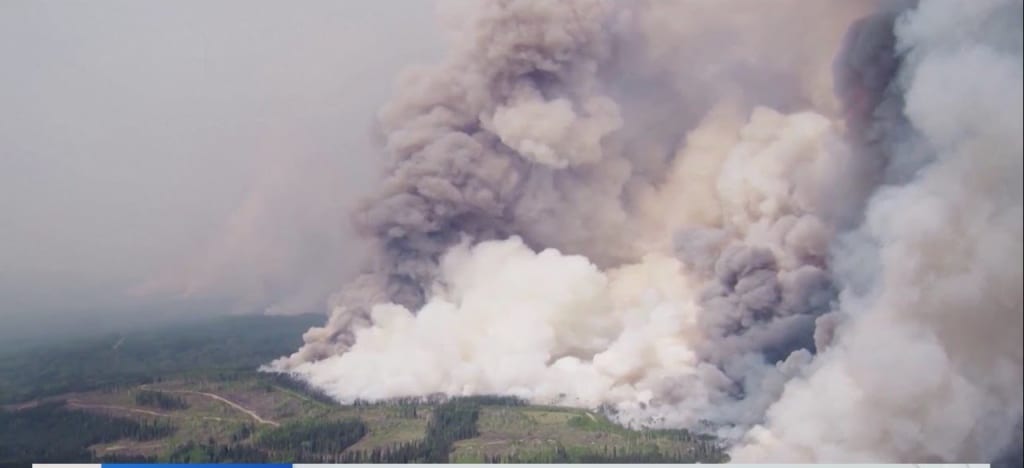
Canada, known for its vast and diverse landscapes, is no stranger to wildfires. These natural disasters have become increasingly common and severe in recent years, causing extensive damage to ecosystems, communities, and the environment as a whole. This article aims to delve into the devastating impact of Canadian wildfires, examining their causes, consequences, and the ongoing efforts to mitigate their effects.
Causes of Canadian Wildfires:
Canadian wildfires are caused by a combination of natural and human factors. Natural causes include lightning strikes, which can ignite dry vegetation during periods of drought. Additionally, the country's diverse ecosystems, characterized by forests, grasslands, and peatlands, provide ample fuel for wildfires. Human activities, such as careless campfires, discarded cigarettes, or accidental sparks from machinery, also contribute to fire ignition.
Consequences for Ecosystems:
The destruction caused by Canadian wildfires has significant ecological consequences. Forests, which serve as critical habitats for numerous plant and animal species, are decimated, leading to the loss of biodiversity. The intensity and extent of the fires can also disrupt natural regeneration processes, hindering the recovery of ecosystems. Furthermore, the release of greenhouse gases during combustion contributes to climate change, exacerbating its effects.
Impact on Communities:
Canadian wildfires pose a direct threat to human lives, property, and infrastructure. Communities residing in fire-prone areas face the risk of evacuation, property damage, and even the loss of their homes. The economic consequences are substantial, with the costs of firefighting efforts, post-fire recovery, and the need to rebuild infrastructure weighing heavily on affected regions. Disruptions to daily life, including school closures, business interruptions, and adverse health effects, further compound the impact on communities.
Health Implications:
The smoke and pollutants emitted during wildfires have severe health implications, both for nearby communities and regions far beyond the fire zone. The fine particulate matter present in wildfire smoke can penetrate deep into the respiratory system, leading to respiratory issues, aggravated asthma, and other respiratory conditions. The elderly, children, and individuals with pre-existing respiratory or cardiovascular conditions are particularly vulnerable.
Indigenous Perspectives:
Wildfires have specific cultural and ecological implications for Indigenous communities in Canada. These communities have a deep connection to the land and rely on traditional knowledge to manage and sustain their territories. Wildfires can disrupt cultural practices, impact the availability of traditional resources, and challenge the transmission of intergenerational knowledge. Collaborative efforts that integrate Indigenous perspectives and knowledge into fire management strategies are crucial for sustainable solutions.
Fire Management and Mitigation Strategies:
Canada employs various strategies to manage and mitigate the impact of wildfires. This includes investing in fire detection systems, enhancing firefighting capabilities, and promoting community-based prevention measures. Controlled burns and fuel management programs are implemented to reduce the build-up of flammable materials in forests. Collaborative initiatives between government agencies, Indigenous communities, and local stakeholders aim to enhance preparedness, response, and recovery efforts.
Climate Change and Future Challenges:
The increasing frequency and severity of Canadian wildfires are attributed, in part, to climate change. Rising temperatures, drought conditions, and changing weather patterns create a conducive environment for fire ignition and spread. Addressing climate change through mitigation efforts, transitioning to sustainable practices, and promoting forest resiliency are essential in mitigating future wildfire risks.
Conclusion:
Canadian wildfires have far-reaching consequences, impacting ecosystems, communities, and the environment as a whole. As the frequency and severity of wildfires continue to increase, proactive measures are necessary to reduce fire risk, protect vulnerable communities, and preserve ecosystems. Collaborative efforts, informed by Indigenous knowledge, scientific research, and public awareness, are crucial in addressing the challenges posed by wildfires
About the Creator
Severe Geomagnetic Storm Could Bring Northern Lights Across Much of the U.S.
On Monday evening, skywatchers from the Pacific Northwest to the Midwest got ready for something out of the ordinary: a celestial display that typically occurs at high northern latitudes. Americans who provide forecasts as a powerful cloud of charged particles from the sun accelerates toward the Earth's magnetic field, the National Oceanic and Atmospheric Administration (NOAA) has issued a "G4 (Severe) geomagnetic storm watch."
By Raviha Imranabout 6 hours ago in Earth
Greenland News
Greenland News Greenland has increasingly drawn global attention in recent years due to its political developments, environmental changes, and growing strategic importance. As the world looks more closely at the Arctic region, news from Greenland reflects a unique mix of local priorities and international interest. From climate-related challenges to economic opportunities and governance issues, Greenland continues to shape its own path while remaining closely connected to global affairs.
By America today 2 days ago in Earth



Comments
There are no comments for this story
Be the first to respond and start the conversation.