
The Devastating Impact of Canadian Wildfires: A Closer Look at the Destruction and Environmental Consequences
A Closer Look at the Destruction and Environmental Consequences
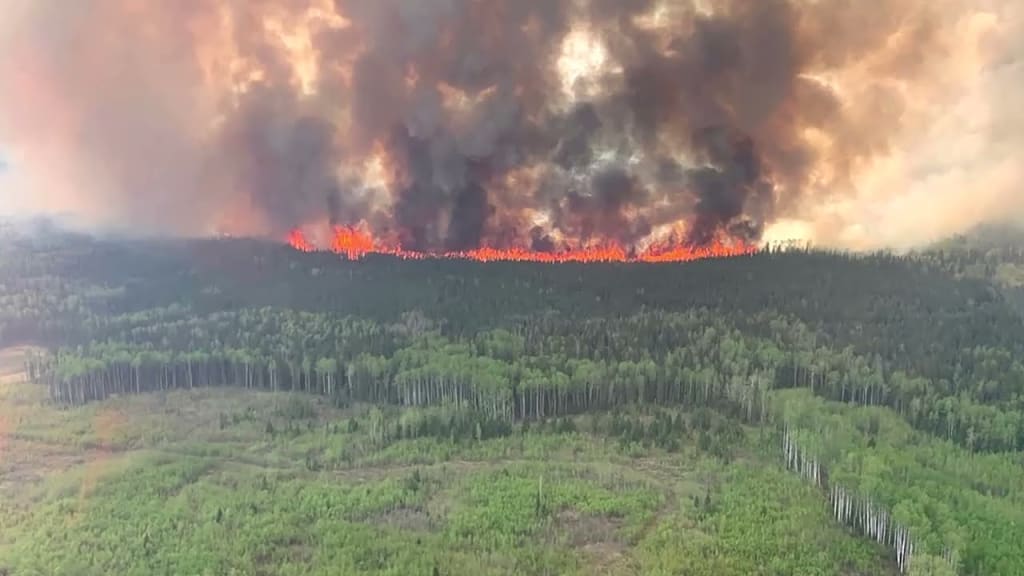
In recent years, Canada has been grappling with a growing threat: wildfires. These natural disasters have become more frequent and severe, causing significant damage to ecosystems, communities, and the environment at large. This article delves into the devastating impact of Canadian wildfires, exploring their causes, consequences, and the ongoing efforts to mitigate their effects.
The Rise of Canadian Wildfires:
The increase in Canadian wildfires can be attributed to a combination of factors, including climate change, forest management practices, and human activities. Rising temperatures, prolonged droughts, and changing weather patterns have created favorable conditions for the ignition and spread of wildfires. Additionally, the accumulation of fuel sources such as dry vegetation and dead trees contributes to the intensity and extent of these fires.
Environmental Consequences:
The environmental consequences of Canadian wildfires are far-reaching and profound. The destruction of forests leads to the loss of habitat for wildlife, including endangered species. The emission of greenhouse gases during the combustion of vegetation exacerbates climate change, contributing to a vicious cycle of environmental degradation. Moreover, the smoke and pollutants released during wildfires have detrimental effects on air quality, posing risks to human health and exacerbating respiratory conditions.
Impact on Communities:
Canadian wildfires pose a significant threat to human lives, infrastructure, and local economies. Communities situated near fire-prone areas face the risk of evacuation, property damage, and loss of livelihoods. The economic toll of wildfires includes the destruction of homes, businesses, and critical infrastructure, as well as the costs associated with firefighting efforts and post-fire recovery.
Indigenous Communities and Cultural Loss:
Indigenous communities in Canada have a deep connection to the land and rely on its resources for sustenance, cultural practices, and traditional knowledge. Wildfires have a particularly devastating impact on these communities, leading to the loss of ancestral territories, disruption of cultural practices, and challenges in preserving traditional ecological knowledge.
Fire Management Strategies:
To address the increasing threat of wildfires, Canada has implemented various fire management strategies. These include enhanced fire detection and monitoring systems, prescribed burning to reduce fuel loads, community-based wildfire prevention programs, and improved coordination between firefighting agencies. Additionally, Indigenous knowledge and practices are being incorporated into fire management strategies to promote effective and sustainable approaches.
Research and Technology:
Advancements in technology and scientific research play a crucial role in understanding, predicting, and managing wildfires. Remote sensing techniques, satellite imagery, and computer models help in mapping fire behavior, identifying high-risk areas, and informing decision-making processes. Research initiatives focus on studying the ecological impacts of wildfires, developing fire-resistant building materials, and exploring climate change adaptation strategies.
Conclusion:
Canadian wildfires pose a significant threat to the environment, communities, and the overall well-being of the nation. Addressing this challenge requires a multi-faceted approach that combines climate change mitigation, improved forest management practices, and community engagement. By investing in research, enhancing fire management strategies, and promoting sustainable practices, Canada can work towards reducing the frequency and severity of wildfires while protecting its natural resources and communities.
It is imperative that society recognizes the urgency of addressing the underlying causes of wildfires, such as climate change, and adopts measures to prevent and mitigate their devastating consequences. Only through collective efforts can Canada hope to safeguard its forests, protect its communities, and preserve its ecological heritage for future generations.
About the Creator
1600 People Reported Dead and 12 Homes Collapsed After a 4.7 Earthquake Struck Israe
**1600 People Reported Dead and 12 Homes Collapsed After a 4.2 Earthquake Struck Israel** Reports circulating after a 4.2-magnitude earthquake struck parts of Israel have caused widespread confusion and alarm, particularly claims stating that 1600 people were killed and 12 homes collapsed as a result of the tremor. The earthquake itself was felt across several regions, especially in the south near the Dead Sea and the Negev, prompting emergency alerts and heightened public concern. However, the scale of the reported casualties has raised serious questions, given the relatively moderate magnitude of the quake.
By America today 4 days ago in Earth




Comments
There are no comments for this story
Be the first to respond and start the conversation.