
The Decarbonizing Age
A Diminishing Future For Oil Industries

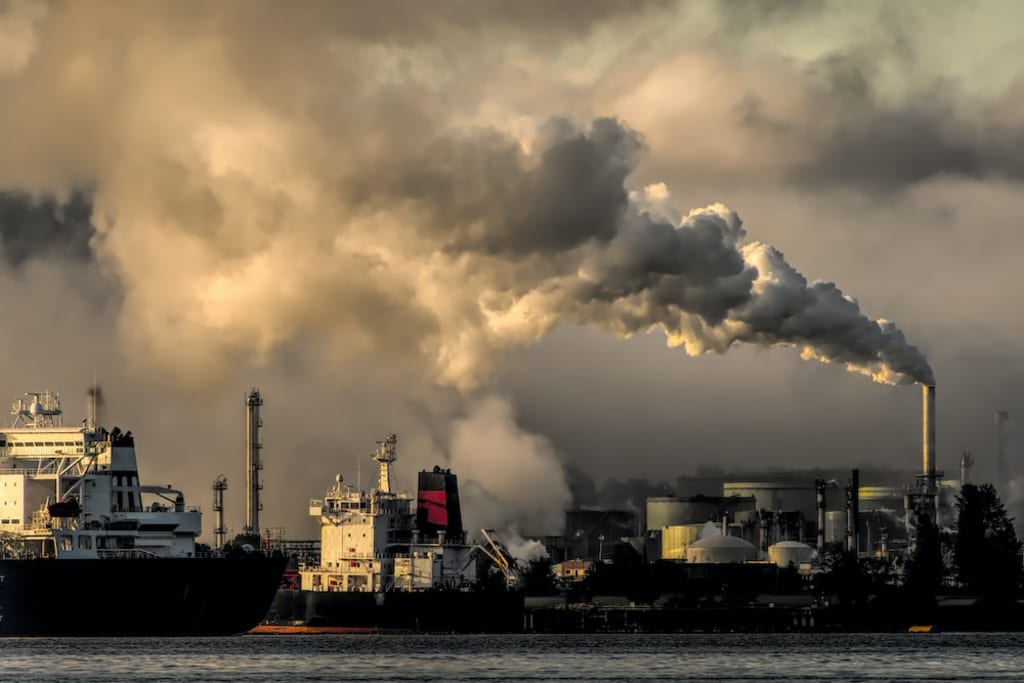
The oil industry, a pillar of the global economy for much of the last century, faced a tumultuous period due to the pandemic's impact on demand and mounting concerns about climate change. Despite significant losses in recent years and mounting pressures to embrace cleaner energy, the industry is gradually transitioning towards a future dominated by renewable sources. This article explores the challenges faced by large oil companies, their investments in clean energy, and the uncertainties that lie ahead.
The oil industry's journey towards a sustainable future is characterized by multifaceted challenges and transformative endeavours. While the demand for oil has historically driven economic growth and development, it is now inextricably linked to concerns about environmental impact and climate change. As the world grapples with the urgent need to reduce greenhouse gas emissions, the oil industry faces mounting pressures to adapt, innovate, and embrace cleaner energy solutions.
The Transition Towards Cleaner Energy
Large oil companies, such as BP, Royal Dutch Shell, and Total, are actively redirecting their focus towards cleaner energy alternatives like offshore wind and solar power. Although these investments hold long-term potential, their fruition may take years, possibly even decades. As the industry seeks to balance its traditional oil-based operations with renewable ventures, significant challenges arise from market dynamics and the pandemic's lingering impact.
Ongoing Challenges and Uncertain Prospects
In recent years, the oil industry endured several shocks, from economic recessions to market manipulation and the pandemic-induced demand slump. These challenges led to workforce reductions and dividend cuts across the sector. Even as conditions show signs of improvement, uncertainties persist. The emergence of new coronavirus variants raises questions about economic recovery, while climate change concerns necessitate a profound transformation in the energy landscape.
The oil industry has been no stranger to economic volatility. From the oil price shocks of the 1970s to the more recent fluctuations driven by geopolitical events and market dynamics, resilience has been a key attribute of the sector. Navigating through economic downturns, such as the recent pandemic-induced recession, requires prudent financial management and strategic planning. As oil companies pivot towards cleaner energy, they must strike a balance between short-term financial stability and long-term sustainability.
Financial institutions, including the Bank of England, are under increasing pressure to distance themselves from the international oil industry. This reflects a contemporary sentiment that oil businesses should be rapidly phased out due to their perceived environmental impact. Consequently, adhering to stringent carbon emission targets compels companies to face capital starvation, further complicating their transition to cleaner energy.
A decline in global productive capacity is inevitable. This decline poses the risk of uncontrollable and long-lasting surges in oil prices, reverberating across various sectors of the global economy. Despite this, the future of oil and gas industries remains challenging, with concerns arising from environmental lobby groups, capital markets, and institutional shareholders.
The transition towards electric vehicles (EVs) faces a couple of years of gradual adoption, as consumers gradually switch from traditional combustion engines. Established car manufacturers, dominant in the traditional car market, are investing heavily in EV research and development. As they maximize returns from their investments, the oil and gas industries will continue to coexist with EVs for at least the next 20-30 years.
Conclusion
The oil industry faces a complex and uncertain future as it navigates through changing market dynamics, environmental concerns, and the need to embrace cleaner energy alternatives. While large companies are investing in renewable sources, the transition will require time and resources. In the meantime, the industry must adapt to evolving circumstances and embrace sustainability to ensure a sustainable future in a rapidly changing world. As the oil industry redefines its identity, diversifying revenue streams becomes crucial. Embracing clean energy not only helps to future-proof the industry but also creates opportunities for businesses to tap into new markets and industries. Companies can explore energy storage solutions, electric vehicle charging infrastructure, and sustainable mobility services, positioning themselves at the forefront of the green economy.
About the Creator
Keep reading
More stories from Vedant Sanodiya and writers in Earth and other communities.
The National Science Day
Embarking on a journey to commemorate National Science Day (28th February). As in 1928, Sir Chandrasekhara Venkata Raman made significant & historic contributions to science to revel in the Raman Effect. He further went on to receive a Nobel Prize for the discovery in the year of 1930. The event is extensively celebrated across numerous educational institutions, viz schools, colleges & universities. The joys of the joy are various themes that have been assigned with the National Science Day since the year 1999. This year’s 2021 theme is “Future of STI: Impacts on Education, Skill, and Work.”
By Vedant Sanodiya5 years ago in Futurism
Biochar-Based Carbon Removal Market Outlook for 2026
Biochar carbon removal is transitioning from a niche climate intervention into a structured, investable market. By 2026, the sector is expected to exhibit accelerated growth driven by tightening climate commitments, maturation of crediting methodologies, and increasing buyer sophistication. Market dynamics are shifting from pilot-scale experimentation toward scalable deployment, with pricing, supply constraints, and verification rigor emerging as defining variables.
By Wayne Shen4 days ago in Earth
Japan Furniture Market Size and Forecast 2025–2033
Introduction Japan’s furniture industry stands at a unique intersection of tradition and innovation. Renowned worldwide for its craftsmanship, minimalist design, and functional aesthetics, Japanese furniture reflects the nation’s cultural emphasis on harmony, efficiency, and simplicity. Today, as Japan’s population becomes increasingly urban, digitally connected, and environmentally conscious, the furniture market is undergoing a quiet but significant transformation.
By Janine Root 2 days ago in Earth


Comments
There are no comments for this story
Be the first to respond and start the conversation.