
‘The Damage Is Already There’: Controversial Airport Comes to Peru’s Sacred Valley
Local communities and environmentalists clash over the new airport project amid fears for cultural heritage and ecological balance
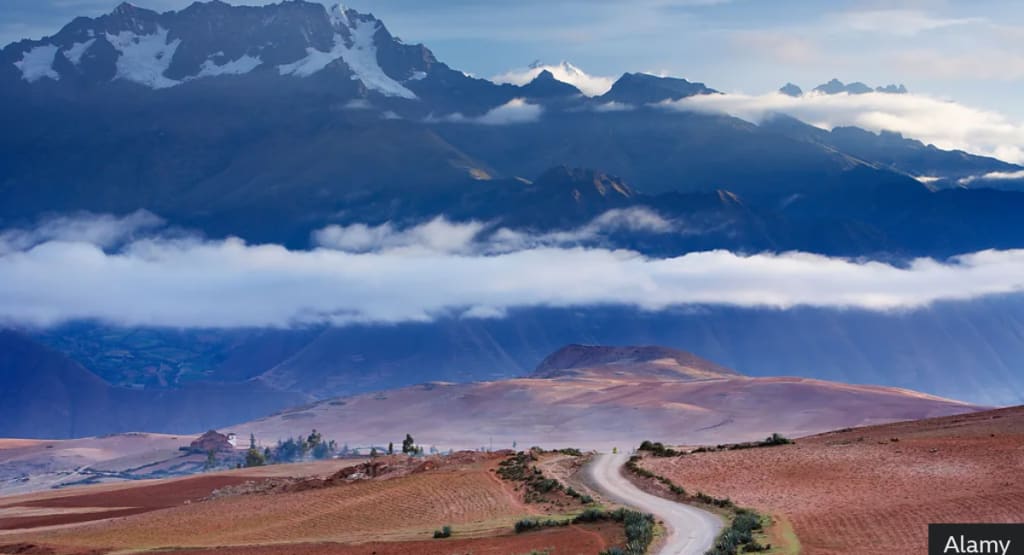
Peru’s Sacred Valley, a region famed for its breathtaking landscapes, ancient Incan ruins, and vibrant local communities, is facing a new challenge: the construction of a controversial airport. Advocates of the project argue it will boost tourism and economic growth, while critics warn it could irreversibly damage one of the country’s most culturally and environmentally significant areas.
The Sacred Valley, located near Cusco and Machu Picchu, has long been a hub for travelers seeking history, adventure, and natural beauty. However, the airport project has sparked heated debate among locals, environmentalists, archaeologists, and government officials about the potential consequences of increased development in this fragile ecosystem.
The Airport Project: An Overview
The proposed airport is designed to accommodate larger numbers of tourists and streamline travel to the Sacred Valley, which has historically relied on buses, trains, and small regional airports. Government officials and project proponents highlight several potential benefits:
Reduced travel time for domestic and international visitors
Increased tourism revenue for local businesses
Greater access for global travelers to remote attractions
Despite these promises, the project has been labeled controversial due to its potential environmental, social, and cultural impact.
Environmental Concerns
Environmentalists argue that constructing an airport in the Sacred Valley could lead to irreversible ecological damage. Key concerns include:
Deforestation and habitat loss: The airport and surrounding infrastructure require land clearing, which threatens native plants and wildlife.
Water resource depletion: Construction could disrupt local rivers and water sources that sustain agriculture and local communities.
Pollution: Increased air traffic could worsen air quality and contribute to climate change impacts.
Local environmental groups stress that the Sacred Valley’s ecosystem is delicate, and rapid development could destabilize centuries-old agricultural practices and biodiversity.
Cultural and Historical Risks
The Sacred Valley is home to numerous archaeological sites, Incan terraces, and colonial-era landmarks. Critics warn that construction could damage or disturb these irreplaceable cultural assets.
Vibrant indigenous communities rely on the land for traditional farming, rituals, and cultural practices.
Archaeologists emphasize that even minor disturbances can compromise centuries-old heritage.
Tourism-driven development could commercialize cultural traditions, undermining their authenticity.
For many locals, the airport represents a threat to both heritage and way of life.
Community Response
Local residents have expressed mixed reactions to the airport proposal:
Supporters Say:
The airport could create jobs in construction, hospitality, and transportation
Improved accessibility may bring more business to markets, restaurants, and hotels
The project could modernize infrastructure in underdeveloped areas
Opponents Argue:
Development risks harming the environment and cultural sites
Increased tourism could strain resources and drive up living costs
Decisions were made without adequate consultation with local communities
Community protests, petitions, and legal challenges have emerged as locals voice their concerns.
Tourism vs. Preservation: The Ongoing Debate
Peru faces a classic development dilemma: balancing tourism-driven economic growth with the preservation of cultural and natural resources. Tourism is a critical sector for the country, generating billions of dollars in revenue and employment. However, over-tourism has already put pressure on Machu Picchu, the Sacred Valley, and other heritage sites.
Experts warn that the new airport could accelerate over-tourism, leading to:
Erosion of trails and terraces
Increased waste and pollution
Strained public services
The debate raises broader questions about sustainable tourism and whether infrastructure projects can coexist with environmental conservation.
Government Perspective
Peruvian authorities argue that the airport is necessary to boost the economy and global tourism competitiveness. Officials highlight:
Job creation and income growth for local communities
Ability to accommodate growing international tourist numbers
Strategic modernization to reduce bottlenecks in existing transport systems
Authorities claim the airport will be built following environmental regulations and technical studies, but critics remain skeptical about enforcement and oversight.
Global Context: Development in Sensitive Areas
The Sacred Valley airport controversy is not unique. Around the world, countries face challenges when expanding infrastructure in culturally or ecologically sensitive regions, including:
Airports near UNESCO World Heritage Sites
Resorts in rainforest or mountain ecosystems
Coastal development affecting marine biodiversity
Lessons from other regions suggest that without careful planning and community involvement, such projects often lead to long-term damage despite short-term economic gains.
Economic vs. Environmental Trade-Offs
Economic analysts note that tourism can significantly improve local economies but argue that these benefits should not come at the expense of long-term sustainability. Balancing development and preservation requires:
Transparent impact assessments
Community-led decision-making
Environmental mitigation strategies
Regulations to limit over-tourism and ecological degradation
Without these measures, critics warn that the Sacred Valley could lose its natural beauty, cultural significance, and long-term economic viability.
Voices From the Ground
Local voices highlight the tension between progress and preservation:
“The damage is already there,” says a community leader. “Once we lose the land, the rivers, and our heritage, we cannot get it back. Tourism should respect our history, not destroy it.”
Meanwhile, small business owners hope that the airport could bring more visitors and income, showing the complexity of balancing local interests with national development goals.
Conclusion: A Delicate Future for the Sacred Valley
The controversy surrounding the new airport in Peru’s Sacred Valley underscores the challenges of modern development in sensitive regions. While the project promises economic growth and improved infrastructure, it also poses serious threats to the environment, cultural heritage, and community well-being.
As Peru moves forward, the decisions made today will determine whether the Sacred Valley remains a pristine, culturally rich destination or suffers irreversible damage in the pursuit of tourism revenue. Careful planning, sustainable practices, and meaningful engagement with local communities are essential to ensure that progress does not come at the expense of one of the world’s most treasured landscapes.
The Sacred Valley stands at a crossroads: its future will be shaped by how Peru balances economic opportunity with environmental stewardship and cultural preservation. The world will be watching.
About the Creator
Two Miles Beneath the Ocean: A Hidden World Thriving Near a Volcano
Two miles beneath the surface of the ocean, in complete darkness and under crushing pressure, lies a world so vast and alive that it challenges everything we thought we knew about life on Earth. Hidden close to an active underwater volcano, this extraordinary ecosystem spans an area roughly equal to 233 soccer fields and is home to an estimated 20,000 living creatures.
By Ayesha Lashari4 days ago in Earth
from death into life
Young Aldin of Wiloh had never contemplated death. It was almost strange — so many around him had the tendency to obsess over it, to clamor and claw almost desperately at their own perceptions of the end to know death as much as they could: when it would come, why it would come, where it would take them when it did.
By angela hepworth2 days ago in Fiction



Comments
There are no comments for this story
Be the first to respond and start the conversation.