
The Comprehensive Guide to Stone Crushers: Types, Applications, and Benefits
Stone crushers are essential equipment in the mining, construction, and quarrying industries. They are used to break down large rocks, stones, and ores into smaller, more manageable sizes for various applications.
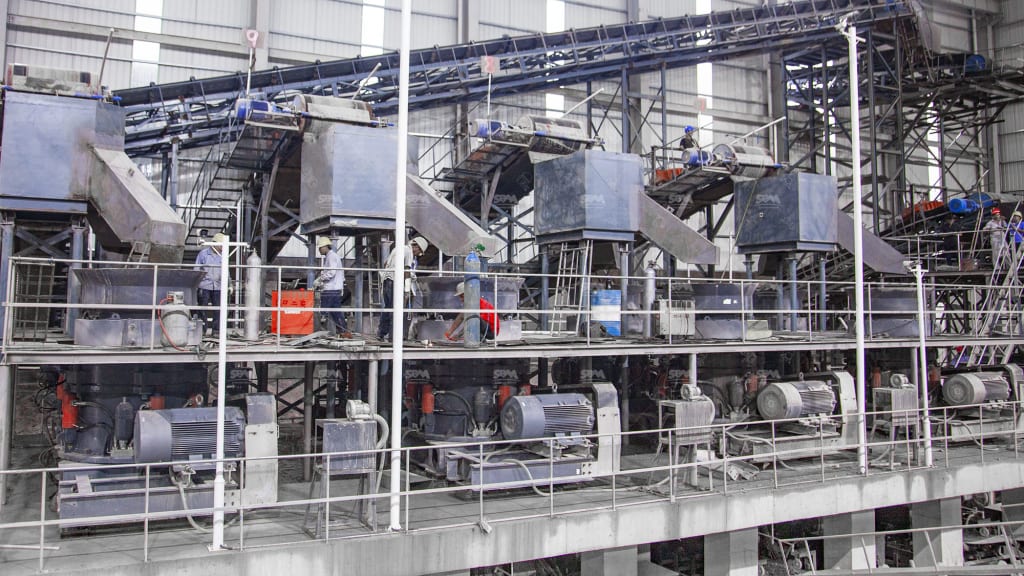
Stone crushers are essential equipment in the mining, construction, and quarrying industries. They are used to break down large rocks, stones, and ores into smaller, more manageable sizes for various applications. From building roads and bridges to producing concrete and asphalt, stone crushers play a vital role in infrastructure development and resource extraction. This article provides a comprehensive overview of stone crushers, including their types, working principles, applications, benefits, and key considerations for choosing the right crusher for your needs.
Types of Stone Crushers
Stone crusher come in various types, each designed for specific tasks and materials. Below are the most common types of stone crushers: jaw crusher, cone crusher, impact crusher, hammer crusher, mobile crusher and so on.
Working Principles of Stone Crushers
Stone crushers operate based on different principles depending on their type. However, the general process involves the following steps:
1. Feeding: Raw materials are fed into the crusher through a hopper or conveyor.
2. Crushing: The material is crushed by applying mechanical force (compression, impact, or shear) to break it into smaller pieces.
3. Screening: The crushed material is screened to separate it into different sizes.
4. Conveying: The final product is transported to storage or further processing.
Applications of Stone Crushers
Stone crushers are used in a wide range of industries and applications, including:
1. Mining
- Crushing ores and minerals for extraction and processing.
- Producing aggregates for use in construction and infrastructure projects.
2. Construction
- Breaking down large rocks into smaller aggregates for use in concrete, asphalt, and road construction.
- Recycling construction waste like concrete and bricks.
3. Quarrying
- Extracting and processing natural stone for use in building materials and decorative purposes.
4. Recycling
- Crushing and recycling materials like concrete, asphalt, and bricks to reduce waste and conserve resources.
5. Agriculture
- Producing crushed stone for use in soil stabilization and drainage systems.
Benefits of Using Stone Crushers
Stone crushers offer numerous benefits, including:
1. Efficiency
- Stone crushers can process large volumes of material quickly and efficiently, reducing the time and labor required for manual crushing.
2. Versatility
- With various types of crushers available, you can choose the one that best suits your material and application.
3. Cost-Effectiveness
- By reducing the size of raw materials, stone crushers help lower transportation and processing costs.
4. Environmental Benefits
- Recycling construction waste and producing aggregates on-site reduces the need for new materials and minimizes environmental impact.
5. Improved Product Quality
- Stone crushers produce uniform particle sizes, ensuring high-quality aggregates for construction and other applications.
Maintenance Tips for Stone Crushers
Proper maintenance is essential to ensure the longevity and efficiency of your stone crusher. Follow these tips:
1. Regular Inspections:
- Check for wear and tear on parts like jaws, hammers, and liners.
- Inspect belts, bearings, and hydraulic systems for damage.
2. Lubrication:
- Keep all moving parts well-lubricated to reduce friction and prevent overheating.
3. Cleaning:
- Remove dust and debris from the crusher to prevent blockages and improve performance.
4. Replace Worn Parts:
- Replace worn or damaged parts promptly to avoid further damage and downtime.
5. Training:
- Train operators on proper use and maintenance procedures to minimize errors and accidents.
Environmental and Safety Considerations
Stone crushers can have significant environmental and safety impacts if not managed properly. Here are some key considerations:
1. Dust Control
- Use water sprays or dust suppression systems to minimize dust emissions.
2. Noise Reduction
- Install noise barriers or use quieter equipment to reduce noise pollution.
3. Waste Management
- Recycle or dispose of waste materials responsibly to minimize environmental impact.
4. Safety Measures
- Provide operators with proper safety gear and training.
- Install guards and emergency stop buttons to prevent accidents.
Stone crushers are indispensable tools in the mining, construction, and quarrying industries. They offer numerous benefits, including efficiency, versatility, and cost-effectiveness, making them a valuable investment for businesses. By understanding the different types of crushers, their applications, and key considerations for selection and maintenance, you can choose the right crusher for your needs and ensure its optimal performance. Additionally, adopting environmentally friendly practices and safety measures will help minimize the impact of your operations and create a sustainable future for the industry.


Comments
There are no comments for this story
Be the first to respond and start the conversation.