
The Complex Tale of the Takhi Horse: Zoos, Conservation, and the Wild
Examining the Complicated Role of Zoos in Species Preservation and the Uncertainty of "Wild" Takhi

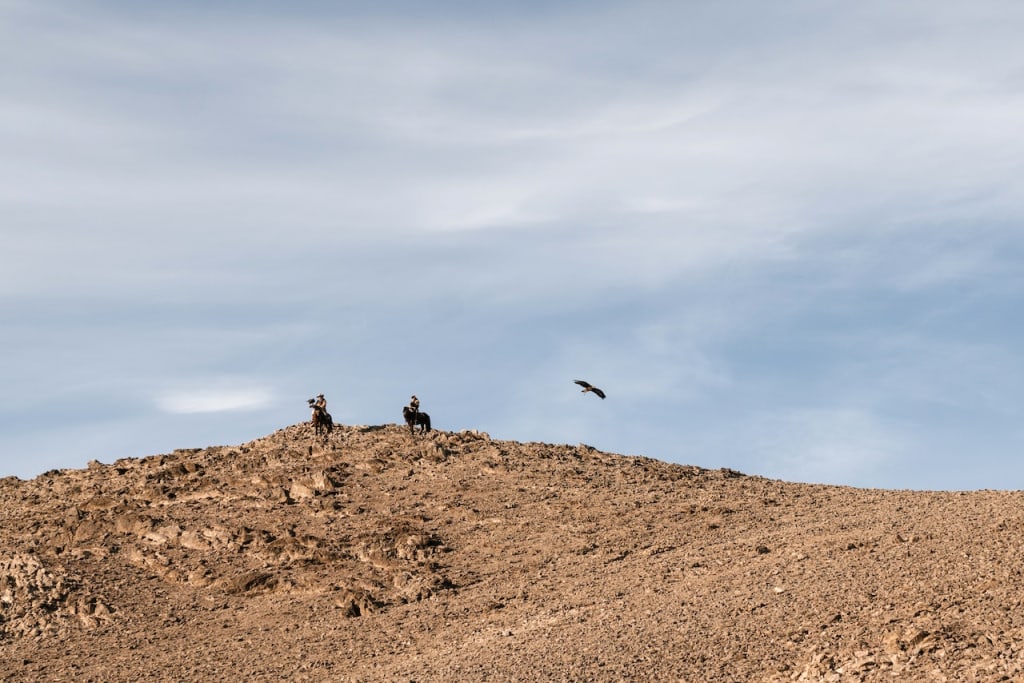
For centuries, native Takhi horses freely roamed the vast steppes of Central Asia, embodying the region's untamed beauty. However, by the late 1960s, these majestic creatures had vanished from the wild. The last surviving herds struggled to survive in meager habitats, contending with hunters and competition from local livestock. Although small groups of Takhi managed to survive in European zoos, their ultimate extinction seemed inevitable. To avert this tragic fate, a coalition of scientists and zoos united to initiate an international Takhi breeding program. In the 1990s, this collaboration between Europe and the US led to the release of new generations of Asia's ancient wild horses back into their native habitat. While celebrated as a remarkable conservation triumph, the complete narrative reveals profound complexities that question the role of zoos and the true essence of conservation.
The origins of the Takhi horse's story trace back to the late 1800s when Russian explorer Nikolay Przhevalsky received the remains of one of these enigmatic wild horses as a gift. Although the local Mongolians were familiar with the Takhi, European scientists were captivated by the remains, which bore resemblance to donkeys or zebras rather than any known domestic horse. Believing the species to be a transitional link between wild asses and modern horses, these European scientists circulated reports of the newly named Przhevalsky's horse, stirring curiosity among zoo proprietors in Europe and America.
During this era, zoos primarily sought to attract visitors with their displays of exotic animals, prioritizing entertainment over animal welfare. However, the near extinction of the American bison and the complete disappearance of species like the passenger pigeon prompted zoos to rebrand themselves as centers for conservation in the early 1900s. Recognizing the potential demise of Przhevalsky's horse, zoos initiated breeding programs to sustain captive populations. The individuals involved in these programs reached a notable conclusion regarding the breeding of these horses.
Acknowledging the Takhi's status as a missing link between modern domestic horses and their ancestral counterparts, breeders recognized the presence of impurebred Takhi within their collections, some of which did not conform to the standard description of the species. Therefore, breeders assumed the authority to determine the physical characteristics that defined a wild Takhi and selectively bred the horses accordingly. Drawing from limited specimens and general notions of what a primitive horse should look like, they established a rigorous model for the ideal Takhi. Throughout the 20th century, breeders in Western zoos and private collections meticulously propagated a population of thousands of horses, all carefully bred to exhibit the same set of physical traits.
However, in their natural habitat, wild Takhi had historically interbred with domesticated horses for countless generations, resulting in a population displaying a wide range of appearances. Consequently, when reintroducing the Takhi to their ancestral home, these newly formed herds differed significantly from the horses removed from the steppes a century earlier. Further complicating matters, while these Takhi herds were no longer within the confines of zoos, they remain under close monitoring and control to ensure their protection. Thus, it becomes uncertain whether these animals can truly be considered wild or even authentic Takhi.
The story of the Takhi horse is not an isolated case. Many conservation victories leave us questioning what was truly preserved, exposing the intricate role that zoos play in species preservation. Undoubtedly, zoos have proven to be significant advocates for animal conservation, particularly in safeguarding charismatic species from extinction. Nevertheless, the primary drivers of animal extinctions today stem from human-induced habitat destruction and the impact of climate change. If zoos genuinely aspire to protect the planet's rich biodiversity, perhaps they should redirect their efforts towards the preservation of the natural habitats that these animals direly require.
Henrik Leandro
About the Creator
Henrik Leandro Laukholm Solli
Free thinker, traveler and humanist <3
Keep reading
More stories from Henrik Leandro Laukholm Solli and writers in Earth and other communities.
The Evolution of Dental Crookedness
The intriguing discovery within the fossil record has unveiled a remarkable fact: our ancestors possessed perfectly aligned teeth, including wisdom teeth, without ever undergoing orthodontic treatment. This revelation raises the question of why modern humans commonly experience dental issues that necessitate the use of braces and wisdom tooth extraction, which seem to be recent phenomena in comparison.
By Henrik Leandro Laukholm Solli3 years ago in Earth
Without Democracy, Donald Trump’s Venezuelan Oil Quest Will Fail
Donald Trump’s renewed interest in Venezuelan oil may seem, on the surface, like a hard-nosed geopolitical calculation. Venezuela holds the world’s largest proven oil reserves, and amid global energy uncertainty, access to those resources is undeniably tempting. But history, economics, and politics all point to the same conclusion: without democratic reform in Venezuela, any attempt by a Trump-led US administration to secure reliable Venezuelan oil will ultimately fail.
By Aarif Lashari5 days ago in Earth




Comments
There are no comments for this story
Be the first to respond and start the conversation.