
Introduction:
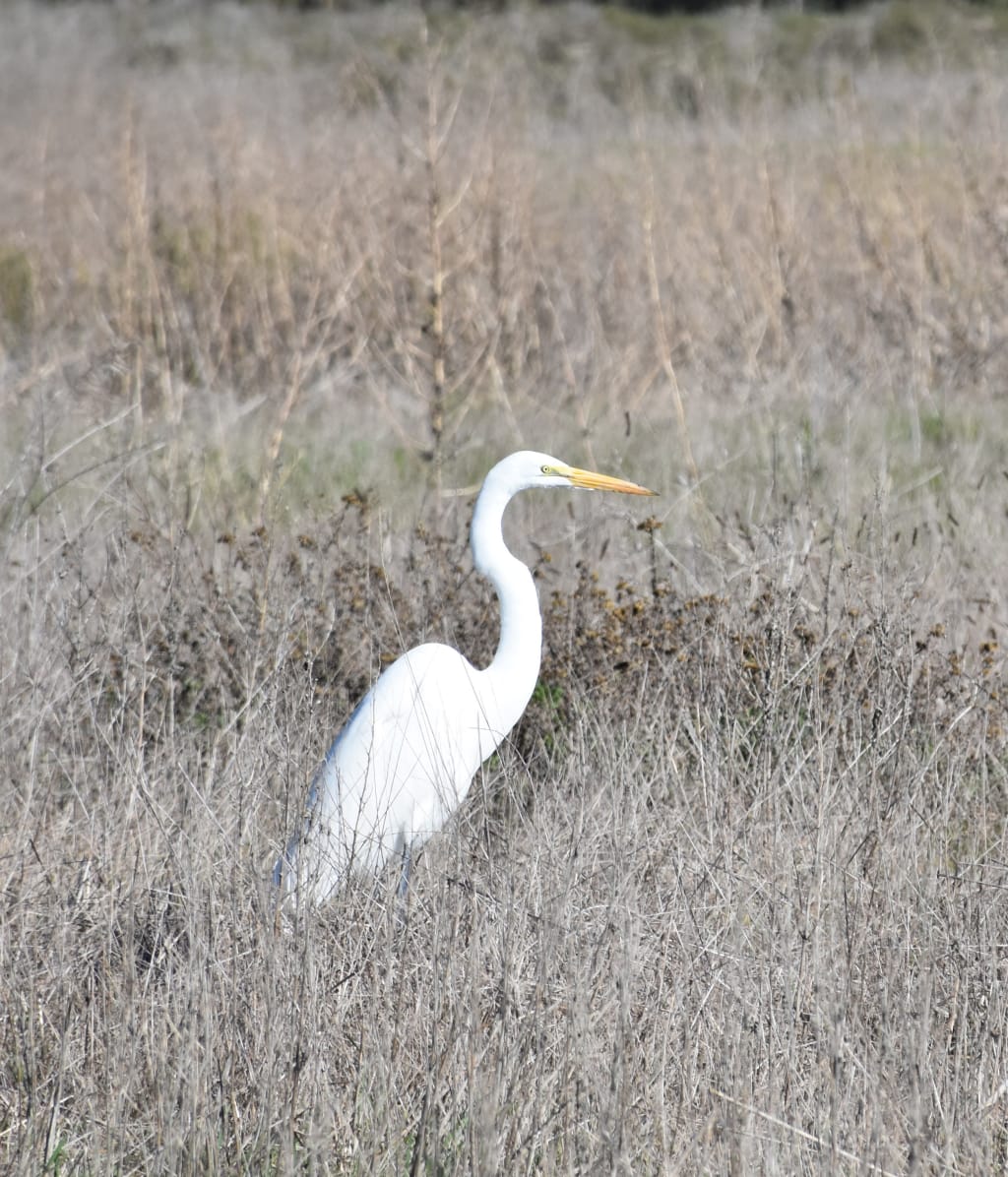
The Cattle Egret (Bubulcus ibis) is a remarkable bird species belonging to the heron family Ardeidae. Also known as the "Buff-backed Heron" or "Cowbird," this small, white egret has earned its reputation as an adaptable and resourceful bird, inhabiting a wide range of environments across the globe. From grasslands to wetlands, the Cattle Egret has successfully established itself in diverse habitats, captivating the interest of bird enthusiasts and researchers alike. This article delves into the intricate details of the Cattle Egret's appearance, habitat, behavior, and ecological significance.
Appearance:
The Cattle Egret is a relatively small bird, measuring about 45 to 55 centimeters in length with a wingspan of approximately 90 centimeters. Its plumage is predominantly white, providing excellent camouflage in its chosen habitats. During the breeding season, however, the adults develop ornamental features such as a buff-colored plumage on the head, neck, and back, which distinguish them from non-breeding adults and juveniles. The beak is usually yellow to gray, while the legs and feet are black.
Habitat and Range:
Originally native to Africa, the Cattle Egret's range has expanded significantly over the past century. They are now found in various parts of the world, including Asia, Europe, the Americas, and Oceania. Cattle Egrets are adaptable birds, capable of colonizing diverse habitats such as grasslands, wetlands, agricultural fields, and even urban areas. They have a preference for open areas where they can easily forage and nest. Their presence is often associated with grazing livestock, as they take advantage of the insects stirred up by the animals.
Behavior and Feeding Habits:
Cattle Egrets exhibit interesting behaviors and have unique feeding habits. One of their most intriguing characteristics is their association with large grazing mammals, including cattle, horses, and other livestock. These birds are often seen perched on the backs of these animals or following them closely as they graze. As the animals move, they disturb insects from the grass, providing a plentiful food source for the opportunistic Cattle Egrets. This relationship is known as commensalism, where one species benefits while the other remains unaffected.
In addition to insects, Cattle Egrets feed on a variety of small vertebrates, including frogs, lizards, snakes, and occasionally small mammals. They are known for their agile hunting techniques, using their sharp beaks to catch prey with precision. The birds also engage in "foot-stirring," a unique foraging behavior where they disturb prey in the grass by shuffling their feet.
Breeding and Nesting:
During the breeding season, which varies depending on the region, Cattle Egrets develop striking physical changes. Their breeding plumage becomes more vibrant, with the buff coloration on their head, neck, and back becoming prominent. They also develop elongated plumes on their back and neck. Males engage in elaborate courtship displays to attract females, including posturing, preening, and offering nest materials.
Nesting colonies of Cattle Egrets can be quite large, with dozens to hundreds of pairs nesting in close proximity. They often select trees, shrubs, or even man-made structures as nesting sites, such as reed beds, papyrus swamps, or abandoned buildings. Both parents participate in nest-building, constructing a platform of twigs and lining it with leaves or grass. The female typically lays 3 to 4 pale blue-green eggs, and both parents share incubation duties for about three weeks until the eggs hatch. The chicks are initially naked and helpless but grow rapidly, eventually fledging the nest after 4 to 5 weeks.
Ecological Significance:
The Cattle Egret plays a significant ecological role in the environments it inhabits. By feeding on insects and other small vertebrates, they help regulate populations of pests that could potentially damage crops or transmit diseases. They are particularly beneficial to farmers and ranchers as they reduce the need for chemical pesticides. Additionally, the Cattle Egret's foraging activities can aid in nutrient cycling, as they consume prey from various trophic levels and excrete waste that enriches the soil.
Conservation Status and Threats:
The Cattle Egret is classified as a species of least concern by the International Union for Conservation of Nature (IUCN) due to its large and expanding global population. Their adaptability to various habitats and their ability to coexist with human activities have contributed to their successful conservation status. However, certain threats exist, such as habitat loss due to wetland drainage, urbanization, and agricultural intensification. Pesticide use can also impact the availability of prey, indirectly affecting Cattle Egret populations.
Conclusion:
The Cattle Egret is a captivating bird that has managed to establish itself in a diverse range of habitats across the globe. Its association with grazing livestock, remarkable foraging techniques, and adaptive behavior make it a species of great interest to scientists and bird enthusiasts alike. Understanding and appreciating the ecological significance of the Cattle Egret not only enhances our knowledge of avian biology but also highlights the importance of conserving their habitats and ensuring their continued presence in our ecosystems.
----------
About the Creator
Subhash C
As a naturalist, I am passionate about conservation and educating others about the importance of biodiversity and ecological balance. My work involves field research, wildlife observation, and environmental advocacy.
How Does a Wildfire Sprinkler System Work to Protect Homes from Advancing Fires?
Wildfires have become an increasing concern in many regions where dry vegetation, strong winds, and high temperatures create conditions that allow fires to spread quickly. Homeowners in wildfire-prone areas are now turning to proactive protection systems designed to reduce risk and improve property resilience. Among these solutions, wildfire sprinkler systems are gaining attention for their ability to defend structures before flames reach them.
By Brandon Honey3 days ago in Earth


Comments
There are no comments for this story
Be the first to respond and start the conversation.