
The Cataclysmic Eruption of Krakatoa
The "Butterfly Effect"

The butterfly effect is a concept in chaos theory that suggests that small, seemingly insignificant changes in initial conditions can lead to significant and unpredictable outcomes in complex systems. The name "butterfly effect" comes from the idea that the flap of a butterfly's wings in one part of the world could set off a chain of events that ultimately leads to a hurricane in another part of the world.The butterfly effect suggests that the behavior of complex systems, such as weather patterns, ecosystems, or even human societies, is highly sensitive to initial conditions. Small perturbations or changes at one point in time and space can propagate and amplify, causing significant differences in the system's future state.
There are many events that are linked or theorized by many philosophers and researchers, but one of them was very apart from others it effected the whole world, and that was eruption of the Krakatoa volcano in 1883.
Located in the Sunda Strait between the islands of Java and Sumatra in Indonesia, Krakatoa's eruption is considered one of the most violent volcanic events in recorded history.
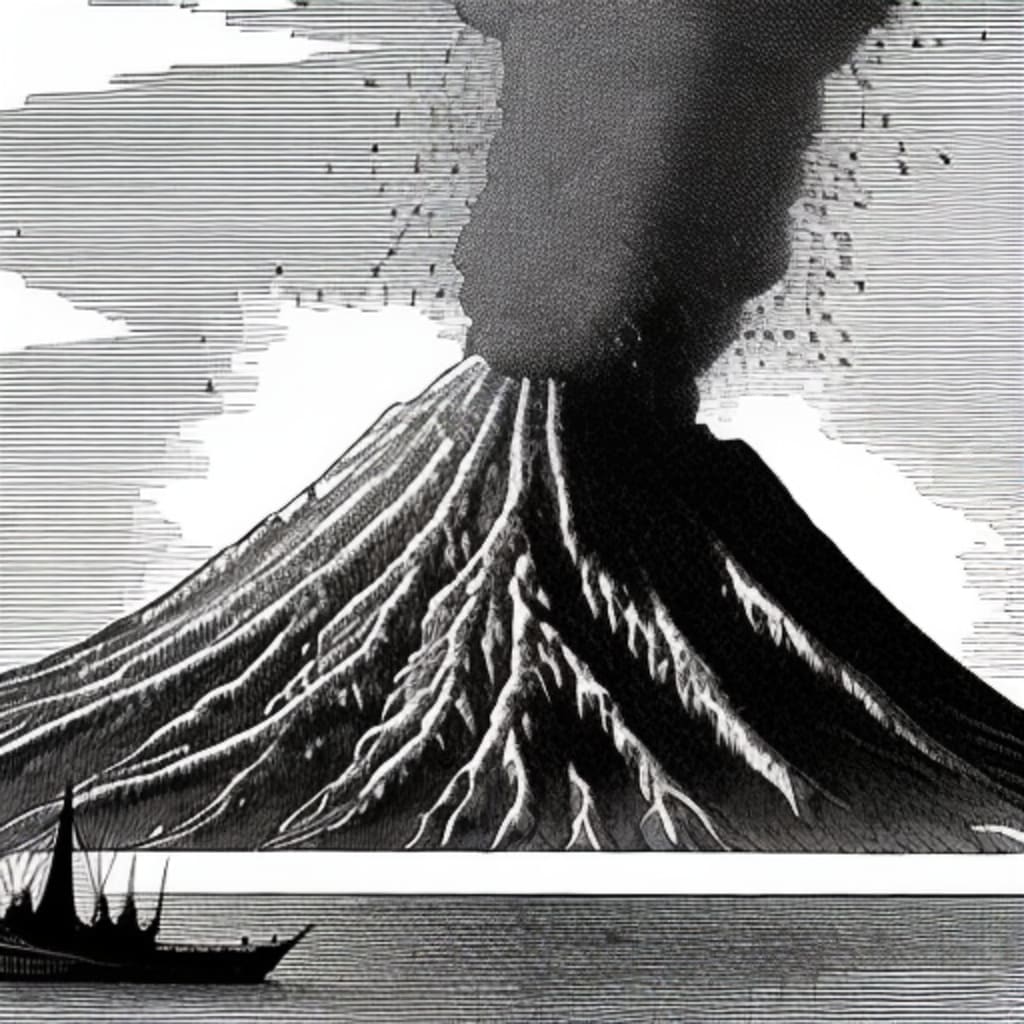
The eruption of Krakatoa had far-reaching and unforeseen consequences. The initial explosion was heard over 3,000 miles away, and the resulting tsunamis generated by the collapse of the volcano's caldera caused widespread destruction across coastal regions. However, the butterfly effect aspect lies in the volcanic ash and gases that were injected high into the atmosphere.The massive amounts of ash and sulfur dioxide released during the eruption created a phenomenon known as the "volcanic winter." The ash particles and gases circled the globe, creating a layer in the atmosphere that reflected sunlight back into space. This led to a significant decrease in global temperatures for several years following the eruption.The cooler temperatures and reduced sunlight had various effects worldwide. Crop yields were severely impacted, leading to widespread famine in some regions. The altered climate patterns caused disruptions in weather systems, resulting in unusual weather events and storms in different parts of the world. Additionally, the atmospheric conditions created vivid and unusually colorful sunsets and sunrises in various locations.
The event happened on 26th august 1883, Krakatoa erupted with unimaginable force. The initial explosion was so deafening that it was heard over 3,000 miles away, while the resulting shockwaves reverberated around the globe for days. The volcanic explosion and the subsequent collapse of its caldera sent massive tsunamis hurtling across the surrounding coastal areas, obliterating entire villages and claiming tens of thousands of lives.
The eruption of Krakatoa played a pivotal role in advancing the understanding of volcanic phenomena and their global implications. Scientists and researchers seized the opportunity to study the aftermath, leading to significant advancements in volcanology, seismology, and meteorology. The eruption of Krakatoa marked a turning point in the scientific community's understanding of the Earth's interconnected systems.
The eruption of Krakatoa stands as a stark reminder of the power and unpredictability of nature. It serves as a call to action for improved monitoring and preparedness in areas prone to volcanic activity, emphasizing the need for early warning systems and robust emergency response plans. The butterfly effect demonstrated by Krakatoa's eruption also reminds us of the intricate and delicate balance within our planet's ecosystem.
The eruption of Krakatoa in 1883 left an indelible mark on human history and provided profound insights into the workings of our planet. Its cataclysmic power and far-reaching consequences showcase the interconnectedness of our world and the profound impact that seemingly isolated events can have on a global scale. The story of Krakatoa's eruption serves as a testament to the resilience of human spirit, the awe-inspiring force of nature, and the importance of understanding and respecting the delicate equilibrium of our planet.
These ripple effects of the Krakatoa eruption demonstrated how a seemingly localized event could have significant and far-reaching consequences. It highlights the concept that small changes in initial conditions can lead to large-scale and unpredictable outcomes, a fundamental aspect of the butterfly effect.
About the Creator
Abdul Rehman
A new content writer with fresh articles and stories to entertainment the audience and to give them factual information. There will be varieties of different topics to read and people will learn new things from me
Keep reading
More stories from Abdul Rehman and writers in Earth and other communities.
The Domino Effect
The domino effect is a fascinating phenomenon that highlights the interconnected nature of events. Just like a line of dominoes, where the fall of one piece triggers a cascade, various events in our world are interconnected and can have far-reaching consequences. This concept is not limited to physical objects but also applies to various aspects of our lives, including economics, politics, and even personal relationships. Understanding the domino effect is crucial in comprehending the complexity of our world and the significance of seemingly insignificant events.
By Abdul Rehman3 years ago in FYI
Heavy Snow Warning: When Winter Turns Dangerous Overnight
A quiet winter evening can quickly turn into something far more serious. The sky grows darker, the wind sharpens, and snow begins falling faster than anyone expected. What starts as a peaceful snowfall can suddenly lead to closed roads, power outages, and difficult travel conditions. This is when a heavy snow warning becomes more than just a weather alert. It becomes a signal that daily life may soon slow down or even stop. For many communities, these warnings bring both beauty and concern. Snow can cover the world in silence, but it can also create dangerous conditions if people are not prepared. Understanding what a heavy snow warning means and how it affects daily life can help individuals and families stay safe when winter becomes unpredictable.
By Muqadas khanabout 20 hours ago in Earth



Comments
There are no comments for this story
Be the first to respond and start the conversation.