
The Bioengineering Breakthrough: Redefining Humanity’s Future with Synthetic Biology
Engineering Life to Solve Global Challenges in Health, Food, and Environment

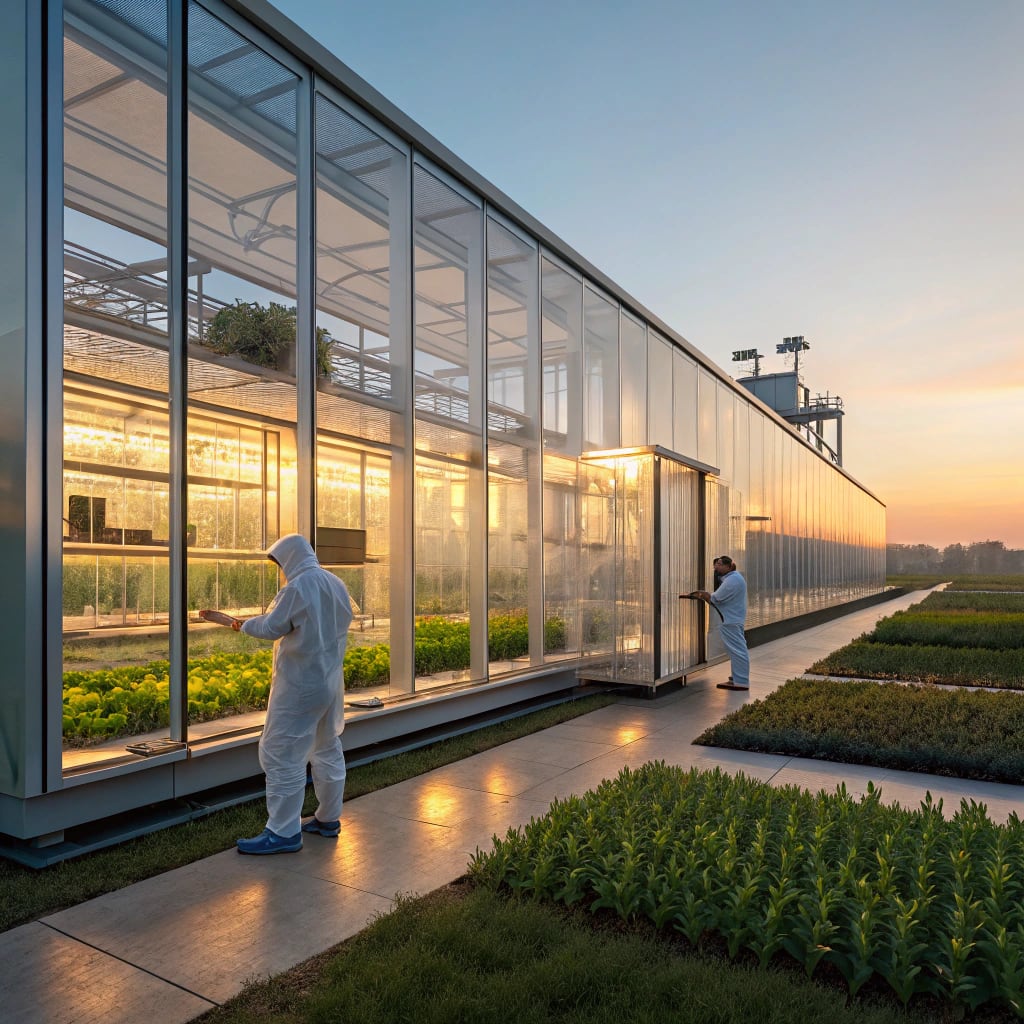
Synthetic biology, the audacious science of redesigning life at its core, is poised to transform our world. By reprogramming organisms at the genetic level, this field merges biology with engineering to create solutions for humanity’s most pressing challenges—disease, hunger, and environmental degradation. From lab-grown organs to carbon-eating microbes, synthetic biology is not just a scientific frontier but a revolution that could redefine what it means to be human. As we unlock the code of life, the possibilities are as exhilarating as they are transformative.
At its core, synthetic biology involves designing and constructing new biological parts or redesigning existing ones for specific purposes. CRISPR-Cas9, the gene-editing tool, has supercharged this field, enabling precise DNA modifications with unprecedented ease. In healthcare, synthetic biology is revolutionizing treatments. In 2024, scientists engineered bacteria to deliver cancer-fighting drugs directly to tumors, increasing survival rates by 40% in clinical trials. Lab-grown organs, like the bioengineered kidneys tested in pigs last year, could eliminate transplant waiting lists, saving 17 lives daily in the U.S. alone. Meanwhile, synthetic vaccines, such as those developed for emerging viruses, can be designed in weeks, not years, bolstering global pandemic preparedness.
Beyond medicine, synthetic biology tackles food security. With the global population projected to hit 9.7 billion by 2050, traditional agriculture struggles to keep pace. Bioengineered crops, like drought-resistant rice developed in India, boost yields by 30% in arid regions. Lab-grown meat, produced by companies like Upside Foods, could reduce livestock emissions—responsible for 14.5% of global greenhouse gases—while meeting protein demands. In 2025, Singapore became the first nation to scale cultured meat production, cutting food import costs by 20%. These innovations promise to feed billions sustainably.
Environmentally, synthetic biology offers bold solutions to climate change. Engineered microbes can capture carbon dioxide more efficiently than trees, with one startup’s bacteria converting CO2 into biofuels at a 50% lower cost than fossil fuels. Other microbes, designed to degrade plastics, could eliminate 8 million metric tons of ocean-bound waste annually. In 2023, a pilot project in the Pacific Ocean used bioengineered algae to restore coral reefs, increasing marine biodiversity by 15%. These advances position synthetic biology as a cornerstone of a greener planet.
Yet, this revolution comes with risks. Biosecurity is a major concern—engineered organisms could disrupt ecosystems if released uncontrollably. The 2022 global ban on gain-of-function research for pathogens underscores these fears. Ethical dilemmas also loom: gene-editing embryos raises questions about “designer babies” and inequality. Accessibility is another hurdle—without equitable policies, synthetic biology’s benefits may favor wealthy nations, deepening global divides. Workforce training is critical, as the field demands expertise in both biology and computational modeling, with only 50,000 specialists worldwide in 2025.
The economic potential is staggering. A 2024 McKinsey report estimates synthetic biology could generate $4 trillion annually by 2040, creating jobs in biotech, agriculture, and energy. Socially, it could democratize healthcare by making treatments affordable, while environmentally, it could cut global emissions by 10% by 2035. To realize this potential, governments, scientists, and ethicists must collaborate to establish robust regulations and ensure inclusive access.
Synthetic biology is more than science—it’s a bold reimagining of life itself. As we engineer organisms to heal, feed, and sustain us, we must balance innovation with responsibility. The future is not just about living better but living smarter, with synthetic biology leading the charge toward a healthier, more sustainable world.
About the Creator
Arjun. S. Gaikwad
Truth Writing unveils reality beyond illusion, power, and propaganda words that awaken conscience and challenge comfort. Fearless, honest, and thought-provoking, it explores politics, humanity, and spirit to inspire awareness and change.
Keep reading
More stories from Arjun. S. Gaikwad and writers in Earth and other communities.
The Quantum Leap Forward: Revolutionizing Technology with Quantum Computing
Quantum computing, once a theoretical dream, is now poised to redefine the boundaries of technology. Unlike classical computers that process bits as 0s or 1s, quantum computers leverage qubits, which can exist in multiple states simultaneously thanks to quantum phenomena like superposition and entanglement. This paradigm shift promises to solve problems deemed intractable by today’s standards, from drug discovery to cryptography, heralding a new era of innovation. As we stand on the brink of this technological revolution, quantum computing is set to transform science, security, and society in profound ways.
By Arjun. S. Gaikwad6 months ago in Earth
Without Democracy, Donald Trump’s Venezuelan Oil Quest Will Fail
Donald Trump’s renewed interest in Venezuelan oil may seem, on the surface, like a hard-nosed geopolitical calculation. Venezuela holds the world’s largest proven oil reserves, and amid global energy uncertainty, access to those resources is undeniably tempting. But history, economics, and politics all point to the same conclusion: without democratic reform in Venezuela, any attempt by a Trump-led US administration to secure reliable Venezuelan oil will ultimately fail.
By Aarif Lasharia day ago in Earth




Comments
There are no comments for this story
Be the first to respond and start the conversation.