
The Battle for Survival
Climate-induced migration can exacerbate existing tensions and lead to conflicts

Once a prosperous region known for its fertile land and abundant water resources, the village of Qla found itself teetering on the edge of desperation. The effects of climate change had mercilessly ravaged the once-thriving agricultural community. Prolonged droughts had transformed the lush fields into barren wastelands, and the once-mighty river that flowed through the village had dwindled to a mere trickle.
With each passing day, the villagers faced the grim reality that their survival depended on finding new lands to cultivate and fresh water sources to sustain their lives. Their dreams of maintaining their ancestral homeland were overshadowed by the harsh truth that migration was the only path to survival.
News spread like wildfire across the neighboring villages, each grappling with similar challenges. People from far and wide flocked to Qla in search of refuge and hope. The sudden influx of migrants strained the already limited resources of the village. Food and water became increasingly scarce, tensions simmered, and a deep-seated unease settled over the once peaceful community.
As desperation took hold, conflicts erupted over access to the remaining arable land and dwindling water supplies. Once-friendly neighbors became adversaries, each vying for the last drops of water or patch of fertile soil. Bitter rivalries and simmering resentments turned into open hostility, threatening to tear the fragile fabric of the community apart.
Elena, a young and determined villager, had always been the voice of reason amidst chaos. With a heart full of compassion, she saw the potential for unity even in the face of adversity. She embarked on a mission to bridge the divides and foster cooperation among the villagers.
Gathering a small group of like-minded individuals, Elena sought to establish a system of equitable resource distribution. With meticulous planning, they implemented a water-sharing agreement, ensuring every family received their fair share. Fields were divided into smaller plots, enabling multiple families to cultivate together and share the harvest. The principles of cooperation and communal living were at the core of their efforts.
Though initially met with skepticism and resistance, Elena's perseverance and unwavering belief in the power of unity began to bear fruit. Slowly but steadily, the villagers started to recognize the benefits of working together. Mutual support and empathy replaced animosity, and the community started to heal.
Outside their village, however, tensions continued to rise. In neighboring regions, conflicts over resources escalated into violent clashes. The migration-induced struggles for survival were mirrored in countless other communities, leading to a cycle of violence and despair.
News of the transformative changes taking place in Qla reached the ears of a group of weary refugees. Fleeing their war-torn homeland in search of solace, they saw a glimmer of hope in the unity of Qla's villagers. With newfound determination, they embarked on a perilous journey, driven by the desperate hope of finding refuge in a land where cooperation and shared resources prevailed.
As the refugees arrived, the villagers of Qla extended a helping hand. Together, they forged a bond, recognizing that their collective survival depended on embracing diversity and supporting one another. The village became a melting pot of cultures, languages, and traditions, rich with the beauty of unity in the face of adversity.
News of the village's success story spread like wildfire, reaching the ears of regional leaders who had long been embroiled in conflicts over dwindling resources. The tale of Qla inspired them to explore alternative solutions and seek common ground. It sparked a regional dialogue aimed at finding sustainable ways to address the challenges of climate-induced migration and resource scarcity.
Qla became a beacon of hope, showing the world that even in the midst of despair, unity and cooperation could pave the way for a brighter future. Their story inspired others to set aside differences and work together in the face of climate-induced challenges.
The Battle for Survival had been fought not with weapons, but with the power of compassion and understanding. Qla became a testament to the resilience of humanity, reminding the world that in the face of climate change, the only path forward was through cooperation, empathy, and collective action.
About the Creator
Keep reading
More stories from Manaseh Ejiwale and writers in Earth and other communities.
The Resilience of the Underdogs
Once upon a time in the world of professional basketball, the 2023 NBA Finals unfolded as a captivating battle between two teams—one a perennial powerhouse, the other a group of resilient underdogs. The emotions that emanated from this clash of titans would forever be etched in the annals of basketball history.
By Manaseh Ejiwale3 years ago in Motivation
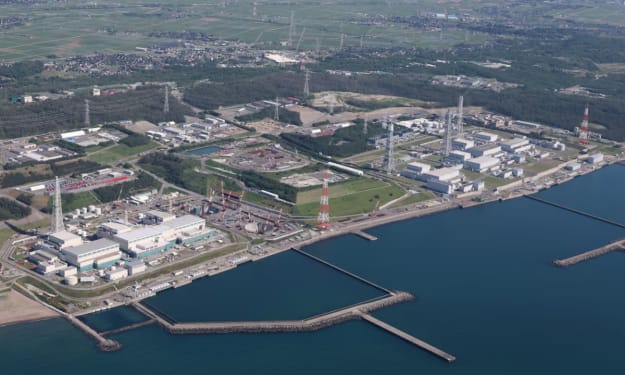
15 Years After Fukushima, Japan Prepares to Restart the World’s Biggest Nuclear Plant
Fifteen years after the catastrophic Fukushima disaster, Japan is preparing to restart the world’s largest nuclear power plant. The decision marks a significant turning point in the country’s energy policy, reflecting both the urgent need for stable energy sources and the ongoing concerns about safety, environmental impact, and public trust. The move underscores Japan’s complex relationship with nuclear energy—a technology that has fueled the nation’s economic growth but also caused one of the worst nuclear disasters in history. The Fukushima Legacy In March 2011, a massive earthquake and tsunami triggered a meltdown at the Fukushima Daiichi Nuclear Power Plant, releasing radioactive material and forcing the evacuation of tens of thousands of residents. The disaster exposed flaws in safety regulations and emergency preparedness, reshaping public perception of nuclear energy in Japan and around the world. Following the incident, Japan shut down nearly all its nuclear reactors, relying heavily on imported fossil fuels to meet energy demand. The decision led to increased energy costs and heightened greenhouse gas emissions, creating pressure to diversify energy sources. Why Japan is Restarting Nuclear Reactors The restart of nuclear plants, including the world’s largest facility, is driven by several factors: Energy Security: Japan imports over 90% of its energy needs. Restarting nuclear plants reduces dependence on foreign fossil fuels and helps stabilize electricity supply. Climate Goals: Nuclear power generates electricity with minimal carbon emissions. As Japan commits to reducing greenhouse gases, nuclear energy offers a low-carbon alternative to coal and natural gas. Economic Considerations: Importing fossil fuels is expensive. Nuclear energy provides a relatively cheaper source of electricity in the long term, helping households and industries manage costs. The government emphasizes that advanced safety measures and rigorous inspections are in place, aiming to restore public confidence and prevent another disaster. Safety Measures and Upgrades Since 2011, Japan has invested heavily in upgrading nuclear infrastructure. Lessons from Fukushima have led to stricter regulations and improved disaster preparedness: Reinforced Reactor Buildings: Structures are now designed to withstand larger earthquakes and tsunamis. Advanced Cooling Systems: Redundant and automated cooling systems reduce the risk of overheating. Emergency Response Planning: Local governments and plant operators coordinate evacuation drills and disaster simulations. Regulatory Oversight: Japan’s Nuclear Regulation Authority (NRA) conducts independent inspections to ensure compliance with safety standards. Despite these measures, skepticism remains. Many citizens fear that no system can fully eliminate the risks associated with nuclear power, especially given the unpredictable nature of natural disasters in Japan. Public Opinion and Controversy The decision to restart the world’s biggest nuclear plant has sparked debate across Japanese society. Supporters argue that nuclear energy is essential for economic stability, energy security, and climate goals. They point out that without nuclear power, Japan would struggle to meet rising electricity demand and climate commitments. Opponents, however, raise concerns about safety, environmental impact, and long-term waste management. Memories of Fukushima remain vivid, and surveys indicate that a significant portion of the population is uneasy about returning to nuclear energy. Local communities near nuclear plants have voiced particular concern, fearing potential accidents and contamination. Economic and Energy Implications Restarting nuclear plants could have broad economic benefits. Stable electricity supply reduces the risk of blackouts, supports industrial activity, and helps control electricity prices for households. From an energy policy perspective, nuclear power allows Japan to balance its energy mix more sustainably. It complements renewable sources like solar and wind, which can fluctuate depending on weather conditions. Nuclear plants provide a steady “baseload” supply that renewables alone cannot guarantee. However, challenges remain: the disposal of radioactive waste, decommissioning older plants, and ensuring consistent regulatory oversight are all long-term concerns that Japan must address to maintain credibility and safety. Global Perspective Japan’s decision is being watched closely worldwide. The Fukushima disaster reshaped global nuclear policy, leading countries like Germany to phase out nuclear energy while others, including China and South Korea, continue to invest in it. Restarting the world’s largest nuclear plant sends a signal about Japan’s commitment to energy self-sufficiency and low-carbon power. It also raises questions about how other nations handle the balance between energy security and safety, especially as climate change increases the urgency for reliable, low-emission energy sources. Lessons Learned Fifteen years after Fukushima, Japan’s experience provides key lessons for the global community: Preparedness is Crucial: Robust safety standards and disaster response systems are essential for operating nuclear plants in seismically active regions. Public Trust Matters: Long-term energy policy must consider public perception and involve communities in decision-making. Diversified Energy Strategy: Nuclear power should be part of a broader energy mix, complemented by renewables to reduce risk and emissions. Continuous Oversight: Independent regulatory bodies and transparent operations are critical for maintaining safety and credibility. These lessons are not only relevant for Japan but also for any country considering nuclear power as part of its energy transition strategy. Conclusion The restart of Japan’s largest nuclear plant, fifteen years after the Fukushima disaster, represents both hope and caution. It promises more stable energy, lower carbon emissions, and economic benefits. At the same time, it reminds the world of the inherent risks of nuclear power and the need for rigorous safety, transparent governance, and public engagement. Japan’s journey reflects a broader challenge faced by many nations: how to meet growing energy demand and climate goals while ensuring safety, sustainability, and public trust. The coming years will reveal whether this bold step strengthens Japan’s energy future or reignites debate over the role of nuclear power in a post-Fukushima era.
By Muhammad Hassan2 days ago in Earth
Forecasters Warn of ‘Potentially Catastrophic’ Storm Threatening Texas to the Carolinas
A massive storm system is on the horizon, and forecasters are raising the alarm for communities stretching from Texas to the Carolinas. Officials are warning that this could be a “potentially catastrophic” weather event, with heavy rainfall, hurricane-force winds, and dangerous flooding expected across multiple states. As residents prepare for what could be a historic storm, experts are urging vigilance and proactive measures to minimize risk. A Storm Unlike Any in Recent Memory Meteorologists describe this storm as unusually powerful, with characteristics of both a tropical system and a winter storm. The National Weather Service (NWS) has issued alerts across a wide swath of the southern and eastern United States, highlighting the potential for flash flooding, tornadoes, and prolonged power outages. According to Dr. Karen Whitfield, a senior meteorologist with the NWS, “The size and intensity of this system are alarming. The combination of warm Gulf moisture and high-pressure systems in the north is creating conditions that could make this one of the most destructive storms in recent history.” Rainfall totals could reach 10 to 15 inches in some areas, particularly in low-lying regions along the Gulf Coast and parts of the Carolinas. Rivers already swollen from recent precipitation could overflow, putting communities at immediate risk. States on High Alert From Houston to Charlotte, emergency management teams are mobilizing resources. Texas officials have activated disaster response units and are advising residents in flood-prone areas to consider evacuation plans. In Louisiana, emergency shelters are being readied for potentially thousands of displaced residents. The Carolinas, which were hit by flooding last year, are preparing for similar challenges. Local governments are emphasizing the importance of early warning systems, urging citizens to monitor weather updates and heed evacuation notices promptly. Governor Laura Jenkins of North Carolina stated, “We cannot stress enough the importance of taking these warnings seriously. This storm has the potential to cause catastrophic damage, and the safety of our residents is our top priority.” The Human and Economic Toll Beyond the immediate threat to life and property, experts predict that the storm could have significant economic consequences. Power outages could disrupt businesses, transportation, and supply chains. Schools and public services may face closures, further complicating recovery efforts. Insurance companies are already warning of increased claims due to property damage. According to industry analysts, this storm could rival some of the costliest weather events in U.S. history if rainfall and wind speeds reach projected levels. Preparing for the Worst Meteorologists emphasize that preparation is key. Residents in affected areas are advised to: Secure property: Bring outdoor furniture, garbage bins, and other loose objects indoors to prevent them from becoming projectiles. Stock up on essentials: Water, non-perishable food, medications, and batteries should be readily available. Plan evacuation routes: Know multiple routes out of flood-prone areas and identify local shelters. Stay informed: Monitor official channels for updates from the NWS, FEMA, and local authorities. Emergency management teams are also using social media and local news outlets to reach residents quickly, providing real-time information on evacuation orders, shelter openings, and weather updates. The Role of Climate Change While no single storm can be directly attributed to climate change, scientists note that warming ocean temperatures and shifting weather patterns increase the likelihood of extreme storms. The Gulf of Mexico, for instance, has been experiencing above-average sea surface temperatures, fueling the energy of storms forming over its waters. Dr. Whitfield explains, “Warmer waters mean more moisture and stronger winds in storms. This doesn’t happen in isolation — it’s part of a larger trend where extreme weather events are becoming more frequent and more severe.” Looking Ahead Forecasters say that the storm’s trajectory could shift as it moves inland, and residents should remain alert for updates. While initial predictions suggest the greatest impact will be felt along the Gulf Coast and southeastern states, heavy rain and gusty winds could affect areas as far north as Virginia and Tennessee. Meteorologists stress that preparation now can save lives later. “It’s better to be over-prepared than under-prepared,” said Whitfield. “Even if the storm shifts slightly, the risks remain very real.” Communities across Texas, Louisiana, Mississippi, Georgia, and the Carolinas are bracing for what could be a defining weather event of the year. Authorities, residents, and businesses are mobilizing to minimize damage and ensure safety, hoping that early action will prevent loss of life and property. As the storm approaches, officials urge calm but firm action. From evacuations to emergency supplies, the steps taken in the coming hours could make all the difference.
By Muhammad Hassanabout 3 hours ago in Earth
Autonomy Is The Real Privilege
Good morning, freedom-seekers! Today we’re gonna be looking at autonomy. A strange word, I know; one many would probably look at blankly and run away from on sight. We’re gonna figure out what it actually means, consider how it’s achieved, and decipher just how deeply most of us are tangled up in dependence without realising it.
By That ‘Freedom’ Guyabout 22 hours ago in Humans



Comments
There are no comments for this story
Be the first to respond and start the conversation.