
The Art of Green Architecture: Blending Sustainability with Design
Building a more beautiful and sustainable future.

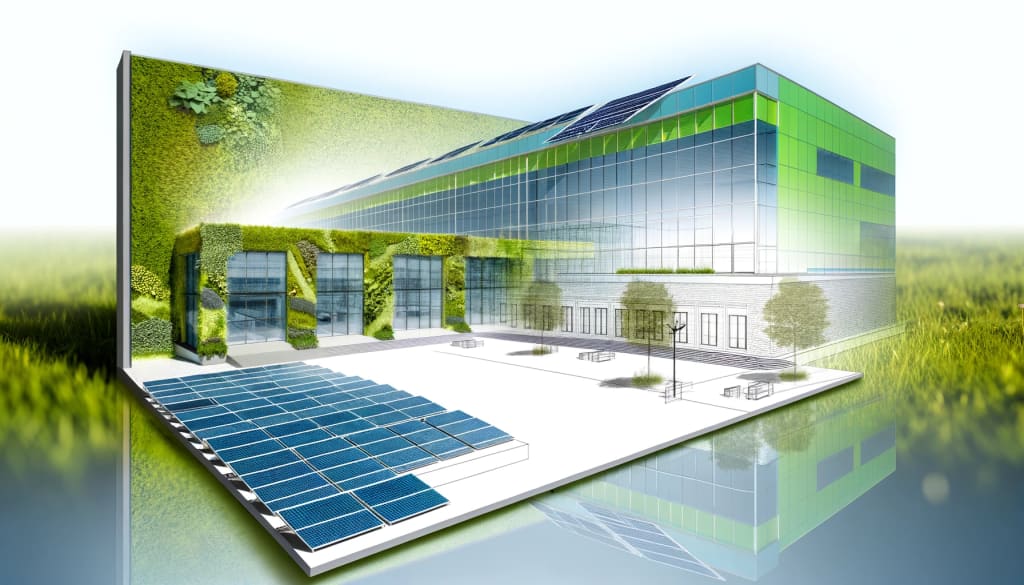
Introduction:
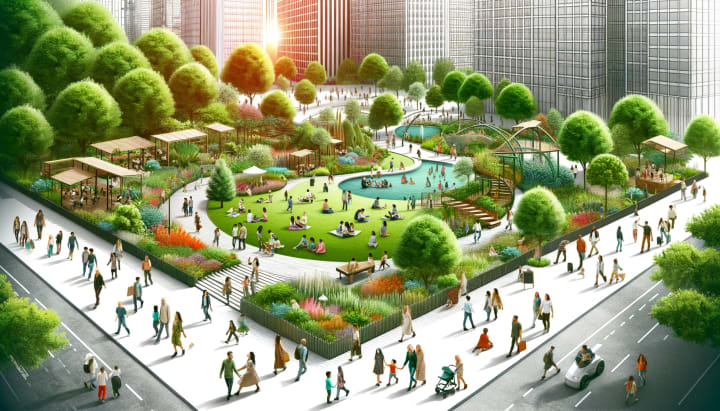
In an era marked by the tangible impacts of climate change, the call for sustainable solutions has become more pronounced across every sector, especially in architecture. Green architecture, transcending beyond mere trendiness, has emerged as an indispensable necessity. It embodies the harmonious marriage of sustainable design principles with innovative construction techniques, aiming not only to minimize environmental footprints but also to enhance the aesthetic appeal of our built environments.
The Philosophy Behind Green Architecture:
At its core, green architecture endeavors to minimize the negative environmental impacts of buildings by optimizing efficiency and moderation in the use of materials, energy, space, and development practices. This philosophy takes a holistic view, considering the building's entire lifecycle — from its initial design and construction, through its operation and maintenance, to eventual renovation or demolition — all guided by an unwavering commitment to sustainability.
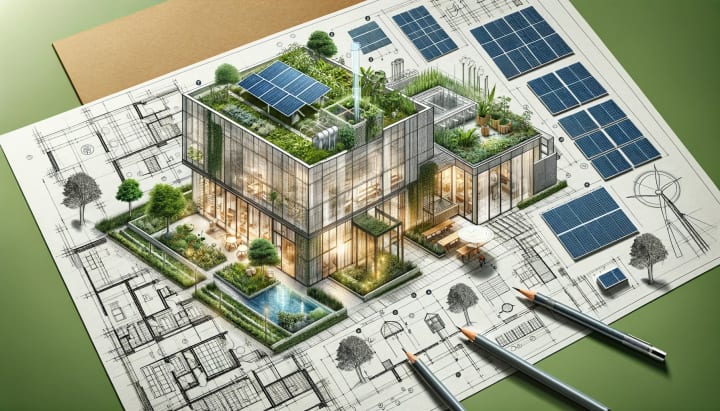
Key Elements of Green Architecture: Green architecture is characterized by several key elements, including energy efficiency, water conservation, utilizing sustainable materials, enhancing indoor environmental quality, and designing with nature and the site in mind. Each element serves to ensure that structures not only exist harmoniously within their environments but also contribute positively to them.
1.Energy Efficiency: Leading the charge in green architectural design is the integration of renewable energy sources, such as solar panels and wind turbines, to power buildings, significantly reducing reliance on fossil fuels. Complementary measures, including the use of energy-efficient appliances, smart lighting systems, and the strategic application of passive solar design principles, further curtail electricity consumption.
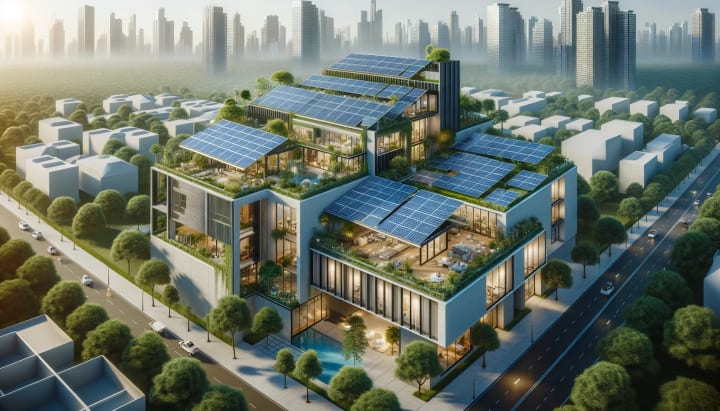
2.Water Conservation: Innovative water management strategies, such as rainwater harvesting systems and water-efficient landscaping, substantially diminish water use. Internally, the adoption of low-flow fixtures and the recycling of greywater underscore a responsible and sustainable approach to water utilization.
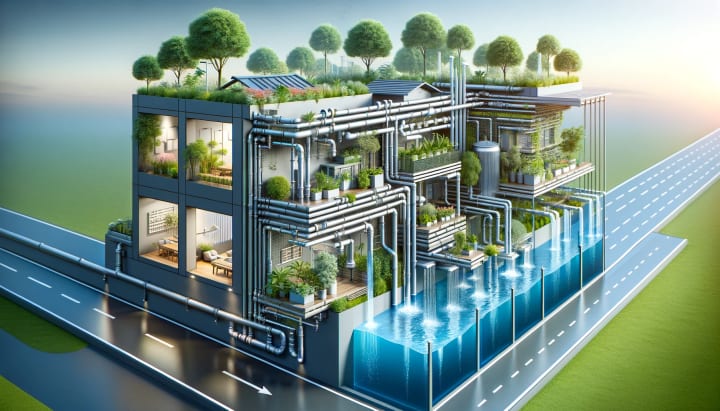
3.Sustainable Materials: The selection of construction materials is a critical consideration in green architecture. Sustainable options, like bamboo flooring and recycled steel beams, are chosen for their minimal environmental impact, renewability, and, where possible, local sourcing to minimize transportation-related emissions.
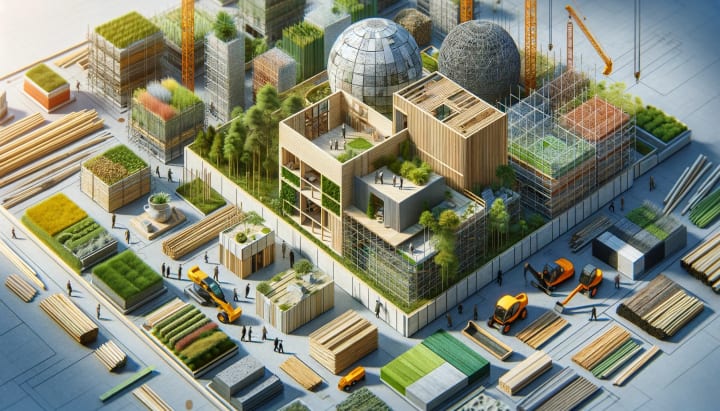
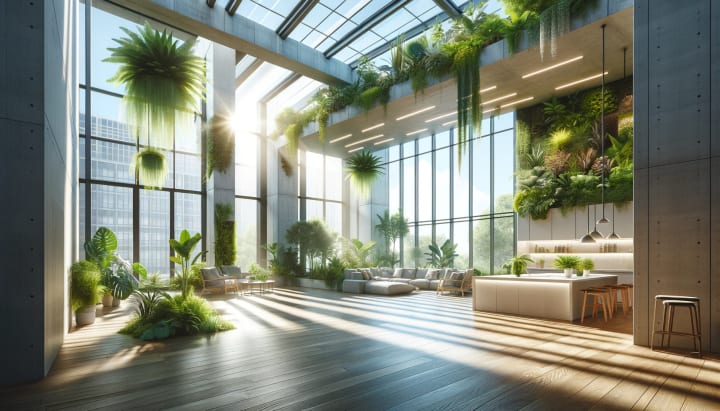
4Indoor Environmental Quality: The health and comfort of occupants take precedence in green buildings. Strategies to enhance indoor environmental quality include maximizing natural light, incorporating indoor plants, and employing natural ventilation systems, all contributing to more healthful and inviting living and working spaces.
Innovative Examples of Green Architecture:
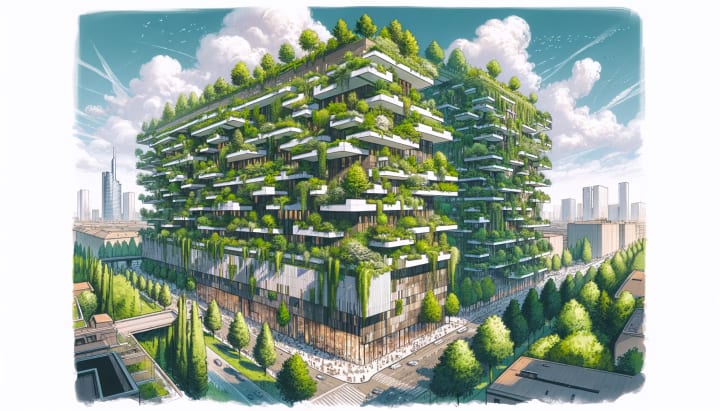
The realm of green architecture is replete with innovative examples that challenge traditional architectural paradigms. Structures such as the Bosco Verticale in Milan, with its verdant vertical forests, and self-sufficient dwellings in arid regions illustrate the boundless creativity and ingenuity inherent in green architectural design. These examples not only challenge conventional notions but also pave the way for new, sustainable models of living.
The Future of Green Architecture:
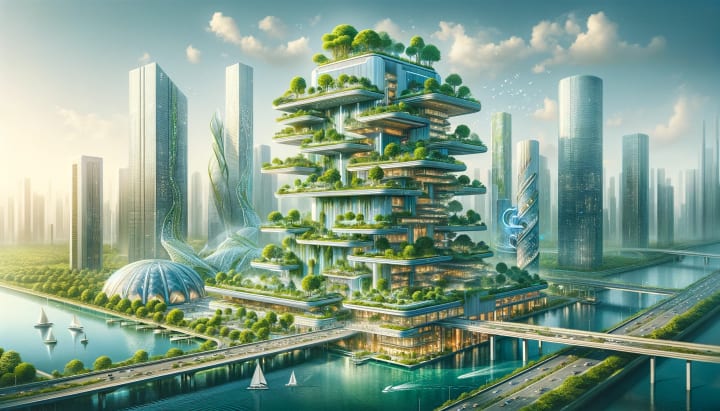
As we gaze into the future, green architecture is set to spearhead the movement towards sustainable living. Its ambit extends well beyond merely reducing environmental impact; it seeks to reimagine our living spaces as integral ecosystems that nurture health, well-being, and harmony with nature.
Conclusion:
The art of green architecture is a vibrant testament to human creativity and our collective ability to forge innovations for the greater good. As we continue to explore the nexus between sustainability and design, it becomes abundantly clear that our built environment can — and indeed must — be both aesthetically pleasing and beneficial to our planet. In heralding a future where architecture and nature exist in sustainable harmony, green architecture invites us to envision a world where our constructions not only inhabit the landscape but enrich it, forging a legacy of sustainability for generations to come.
About the Creator
Umer Dawood
Hello and welcome to my Vocal profile! I'm Umer Dawood, the creative force behind "InfoInsight"— a dedicated channel for exploring the mysteries of our world and sparking insightful discussions on science, technology, and nature.
Reader insights
Nice work
Very well written. Keep up the good work!
Top insights
Expert insights and opinions
Arguments were carefully researched and presented
Eye opening
Niche topic & fresh perspectives
Heartfelt and relatable
The story invoked strong personal emotions
Keep reading
More stories from writers in Earth and other communities.


Comments
There are no comments for this story
Be the first to respond and start the conversation.