
The Art and Science of Calcium Carbonate
Unveiling the Beauty Within

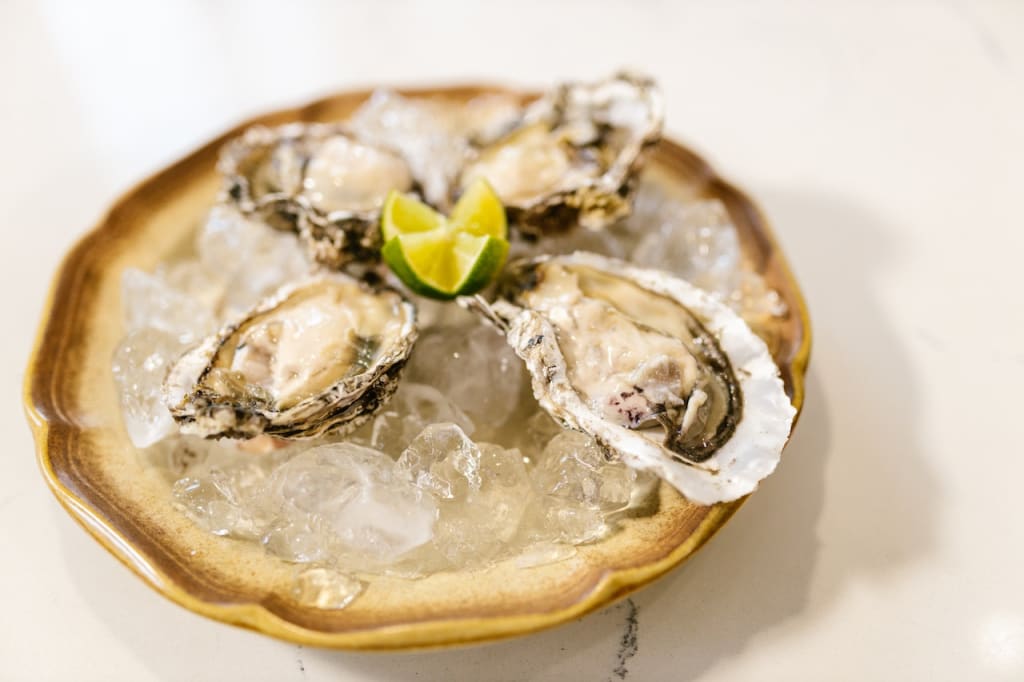
Despite their unassuming exteriors, oysters and other marine creatures possess hidden treasures that captivate the eye. Pearls, with their lustrous colors and smooth surfaces, are formed from the same material that comprises their rugged shells. This common building block is none other than calcium carbonate (CaCO3), a chemical compound found abundantly in both land and sea. The remarkable diversity of structures crafted from this single ingredient begs the question: how does calcium carbonate give rise to such an array of materials?
Calcium carbonate abounds in the Earth's crust, enriched by calcium deposits that have gradually permeated rivers and oceans over countless millennia. Hydrothermal vents, where hot seawater meets calcium-rich basalts, are particularly fertile grounds for this compound. Moreover, the interaction between carbon dioxide in the air and seawater generates dissolved carbonate, with the ocean absorbing a significant portion of our carbon dioxide emissions annually. Sea creatures have ingeniously harnessed these ample resources, fashioning intricate forms through a truly artistic process.
Consider the modest oyster, a mollusk that begins life as exposed larvae and swiftly commences constructing a protective shell. The mantle, an organ within the oyster, secretes an organic matrix comprising proteins and other molecules, which serves as a scaffold for shell formation. As the oyster filters seawater, it extracts calcium and carbonate, deftly combining them to create its building material. This material is then layered upon the scaffold, covered in charged proteins that attract and guide the calcium carbonate molecules. The specific arrangement of these protein scaffolds, influenced by the mollusk species and its environment, accounts for the extraordinary variety in shell shapes, sizes, and colors.
Mollusks exercise meticulous control over every aspect of their calcium carbonate creations, manipulating this compound at the molecular level. Through the utilization of specialized proteins, mollusks can produce two distinct crystal structures: calcite and aragonite. Both share the same chemical composition but possess different qualities due to the arrangement of their crystal lattices. Calcite, being the more stable of the two, offers enhanced resistance to dissolution over time, forming the sturdy outer layer found in most mollusk shells. Aragonite, slightly more soluble, adapts better to varying levels of acidity, resulting in the interior layer that helps maintain the mollusk's internal pH. Among the various forms of aragonite, one stands out: nacre.
Nacre, also known as mother-of-pearl, is a unique material formed by mollusks through the successive layering of aragonite interspersed with proteins. Its hexagonal brick-like structure, with each layer surrounded by organic material guiding their orientation, lends nacre its distinct iridescence. The thickness of these layers aligns with the wavelength of visible light, leading to interference and reflection patterns that produce a mesmerizing cascade of shifting rainbows. Beyond its aesthetic appeal, nacre is one of the strongest and lightest biomaterials known to us. It is not solely oysters that harness this remarkable substance; numerous mollusk species deploy nacre as a primary defense mechanism.
When an intruding parasite or errant grain of sand irritates the mollusk's mantle, the creature envelops the offender in nacre-producing cells, forming a pearl sac. Through the deposition of proteins and aragonite layers, the threat becomes encapsulated within a luminous sphere of nacre—an opalescent pearl. This defense mechanism offers a compelling explanation for the creation of pearls, as everyday intruders are transformed into timeless treasures.
In essence, the captivating world of calcium carbonate reveals nature's delicate interplay of art and science. Through the precise orchestration of molecular interactions, mollusks construct an astonishing array of structures, from intricate shells to radiant pearls. Their mastery over the composition and arrangement of calcium carbonate enables the manifestation of beauty and strength in the marine realm. With each craggy oyster shell or luminescent pearl, we witness the extraordinary transformation of humble materials into resplendent gems that captivate our imagination and illuminate the natural world's ingenuity.
Henrik Leandro
About the Creator
Henrik Leandro Laukholm Solli
Free thinker, traveler and humanist <3
Keep reading
More stories from Henrik Leandro Laukholm Solli and writers in Earth and other communities.
Ethical Dilemmas in Scientific Research
The eradication of smallpox, one of the deadliest diseases in history, is a triumph of public health. However, concerns arise from the existence of virus samples, which could potentially be weaponized by rogue actors. To counter this threat, the US government funds research to improve smallpox treatments and vaccines. Since it is unethical to expose humans to this highly lethal virus, laboratories turn to our closest biological relatives as research subjects. This raises a moral dilemma: is it justified to harm these animals to protect humanity?
By Henrik Leandro Laukholm Solli3 years ago in Earth
How Bad Is AI for the Environment, Really?
Artificial intelligence is rapidly becoming part of everyday life. From chatbots and image generators to recommendation algorithms and automated customer service, AI systems are now embedded in countless digital tools.
By Navigating the Worlda day ago in Earth



Comments
There are no comments for this story
Be the first to respond and start the conversation.