
The Art and Craftsmanship Behind Oolong Tea Production
Unveiling the Artistry: Crafting the Finest Oolong Tea through a Time-Honored Process


Oolong tea, derived from the Camellia Sinensis plant, is a highly regarded beverage cherished for its unique flavor and aroma. Produced through a meticulous process, oolong tea undergoes a series of steps that are carefully orchestrated by skilled tea masters. From the delicate plucking of tea leaves to the final firing, each stage contributes to the nuanced character of this exceptional tea. In this article, we delve into the traditional production methods of oolong tea, illuminating the expertise and dedication required to craft this exquisite brew.
Harvesting the Perfect Flush:
During Thailand's peak growing season, spanning from May to November, experienced workers handpick the flush—a cluster consisting of two young leaves and a bud that emerges from the top of the Camellia Sinensis plant. The tea plant produces a fresh flush approximately every 7 to 15 days, ensuring a steady supply of quality leaves for processing.
Solar Withering: Initiating Oxidation:
The harvested leaves are transported to a glass-roofed building, where they are meticulously spread out in the sun for a precise duration of 15 to 20 minutes. This solar withering step kick-starts the oxidation fermentation process, as the enzymes within the leaves begin to break down. Simultaneously, the evaporation of moisture from the leaves further enhances the desired chemical reactions. To ensure uniform exposure to sunlight, diligent workers consistently move the leaves, facilitating an even withering process.
Indoor Withering: Facilitating Oxidation:
Following solar withering, the leaves are transferred to bamboo trays for indoor withering. Over a period of 6 to 8 hours, the leaves are gently stirred every two hours, promoting additional oxidation. This careful monitoring and handling allow for precise control over the level of oxidation, a critical factor that profoundly impacts the flavor, aroma, and appearance of the resulting oolong tea.
Disruption: Accelerating Fermentation:
To expedite the fermentation process and promote deeper oxidation, the leaves are placed in a rotating drum. As they tumble within the drum, the leaves are bruised and torn, facilitating the breakdown of cell structures. This enables oxygen to penetrate deeply, effectively accelerating the fermentation process. Furthermore, the release of leaf juices during this stage contributes to the desirable flavor profile of the oolong tea.
Fixation: Controlling Oxidation Levels:
The expertise of the tea master comes to the forefront during the fixation stage, a pivotal step that halts the oxidation process. By tumbling the leaves in a gas heated dryer for a carefully determined duration of 10 to 15 minutes, the tea master ensures the oxidation reaches the desired level, ranging from 8 to 85% depending on the specific oolong variety. This critical phase profoundly influences the taste, aroma, and color of the final tea product.
Forming: Crafting the Unique Shape:
After fixation, the leaves undergo a meticulous process of forming into tiny pellets. The leaves are sieved to eliminate any unwanted particles, and then placed within a cotton cloth. The bundled leaves are subjected to both a kneading machine and a rolling press. This intricate procedure imparts a distinct shape to the leaves, intensifying the flavor of the tea. When brewed, the tightly wound pellets gradually release their exquisite flavors into the water.
Firing: Enhancing Aroma and Reducing Moisture:
In the final stage of production, the tea is transferred to an oven for firing. Over the course of three drying cycles, each lasting 20 minutes at a temperature of approximately 100°C, the damp tea is thoroughly dried. This meticulous process reduces the moisture content to less than 5%, ensuring optimal storage and shelf life while accentuating the tea's fragrance.
Brewing Oolong Tea: A Ritual of Appreciation:
To savor the nuanced flavors of oolong tea, traditional brewing methods recommend using a clay teapot. Typically, two teaspoons of tea are added per cup, and the water temperature should ideally range between 90 to 100°C. Steeping time can vary from 3 to 10 minutes, allowing for personal preference in strength. Interestingly, oolong leaves can be brewed multiple times, with some varieties offering up to five infusions, each with its own subtle nuances.
The art of producing oolong tea involves an intricate dance of nature, craftsmanship, and expertise. From the careful plucking of the flush to the precision of oxidation control, each step in the production process shapes the final character of this cherished tea. By appreciating the dedication and skill required to create oolong tea, one can embark on a sensory journey that reveals the rich flavors, enticing aromas, and captivating colors that make this tea truly exceptional.
About the Creator
Keep reading
More stories from Anu Preethi Danila D and writers in Earth and other communities.
The Biodiversity and Natural Cycles of the Bohemian Forest
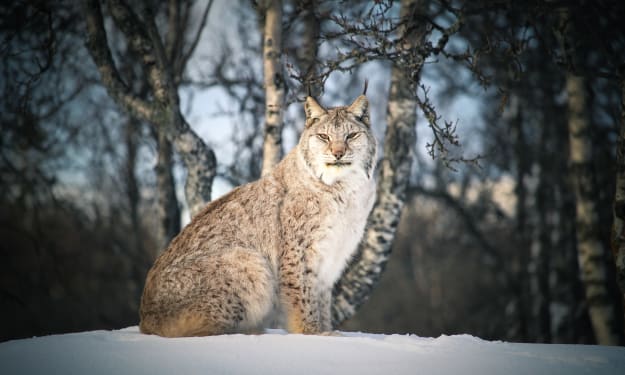
Introduction: The Bohemian Forest, a region known for its rich biodiversity, has witnessed the reappearance of a rare hunter after over a century of absence. The European lynx, once wiped out from the area, has made a formidable comeback, becoming a dominant force in the forest. This pristine ecosystem provides abundant prey for the lynx, alongside ample space for other wildlife, such as wolves, wildcats, beavers, and various bird species. This article explores the intricate interplay of species and the natural cycles that shape life in the Bohemian Forest.
By Anu Preethi Danila D3 years ago in Earth
Antarctic Penguin Breeding Is Heating Up Sooner — and That’s a Big Problem
Scientists have discovered that penguins in Antarctica are starting their breeding season earlier than ever before — a change that might sound harmless but is actually raising alarms among researchers. As temperatures in the Southern Hemisphere rise and sea ice patterns shift, these iconic birds are facing challenges that could ripple through the entire Antarctic ecosystem. The finding, based on decades of field observations, highlights how climate change is not just melting glaciers or warming oceans — it is directly affecting wildlife behaviors in ways that could have long-term consequences. For communities of scientists, conservationists, and even eco-tourists who value Antarctica’s unique wildlife, the implications are serious. Why Penguin Breeding Is Happening Sooner For decades, researchers have tracked the Adélie and emperor penguin populations across Antarctica. By comparing breeding dates with historical data, they noticed a clear trend: penguins are laying eggs and hatching chicks earlier than in previous decades. Dr. Samantha Hughes, a marine biologist studying Antarctic ecosystems, explained: “Penguins are highly sensitive to environmental cues. Warmer temperatures and earlier ice melt mean that the conditions they rely on for breeding are coming sooner, so they adjust their reproductive cycles.” At first glance, this might seem like an adaptive behavior. After all, responding to environmental changes is part of survival. But scientists warn that earlier breeding can create new problems, particularly when it comes to food availability and weather patterns. The Challenges of Earlier Breeding Penguins depend on a delicate balance between breeding timing, ice coverage, and food supply. Fish and krill, which are the primary food sources for chicks, follow their own seasonal patterns. If penguins hatch too early, they may face a mismatch between the peak food supply and the period when chicks need it most. This phenomenon, known as phenological mismatch, can have serious consequences: Chick starvation: Chicks may hatch before food sources are abundant enough to sustain them. Increased predation: Younger, weaker chicks are more vulnerable to predators. Colony instability: Uneven survival rates can disrupt social structures and breeding success within colonies. Dr. Hughes adds: “Even a difference of a few weeks in hatching times can affect survival rates. In an environment as extreme as Antarctica, timing is everything.” Climate Change Is the Driving Force Scientists point to rising temperatures, changing sea ice patterns, and shifting winds as the main factors behind earlier breeding. Over the past 50 years, Antarctic regions have warmed at rates faster than the global average, leading to earlier ice melt in spring. Sea ice is critical because it provides stable platforms for penguins to nest and raise their chicks. When ice melts too early, penguins may be forced to nest in less secure locations, increasing the risk of flooding and chick loss. Additionally, the warming waters affect the abundance of krill, tiny crustaceans that are the foundation of the Antarctic food web. Less krill means less food for penguins, further exacerbating the effects of early breeding. Why This Matters Beyond Penguins Penguins are often seen as indicator species, meaning that changes in their populations can signal broader environmental shifts. If penguin breeding and survival are disrupted, it could indicate that the entire Antarctic ecosystem is under stress, including seals, seabirds, and even fish populations that humans rely on. Communities involved in Antarctic research are particularly concerned because this disruption can affect long-term conservation strategies. Protecting species like penguins isn’t just about preserving wildlife; it’s about maintaining ecosystem health in a region that plays a critical role in regulating global climate. Observing the Changes Researchers have been using a combination of satellite imaging, on-the-ground observation, and drones to monitor penguin colonies. These methods allow scientists to track: Egg-laying dates Chick hatching and growth Colony sizes and survival rates Data collected over decades show a clear pattern: in some regions, penguins are breeding up to two weeks earlier than 50 years ago. While that might seem minor, in the fragile Antarctic environment, even small changes can have cascading effects. What Can Be Done Addressing this problem requires both local and global action. On a local level, conservationists are working to protect key breeding grounds and monitor populations for signs of stress. International cooperation is crucial, because Antarctica is governed by treaties that involve multiple countries. On a broader scale, tackling the root cause — climate change — is essential. Scientists emphasize reducing greenhouse gas emissions to slow warming trends and protect fragile ecosystems. As Dr. Hughes notes: “If we don’t address climate change, these changes aren’t just a temporary anomaly. They could lead to permanent shifts in penguin populations and Antarctic ecosystems.” The Human Connection This issue isn’t just about penguins. Communities of researchers, scientists, and environmental advocates rely on a stable Antarctic ecosystem for studies that inform global climate policy. Eco-tourism communities also depend on healthy penguin populations for responsible tourism, which can be a source of income and education. In other words, the timing of penguin breeding may seem like a small, isolated detail, but it has broader implications for science, conservation, and global awareness. Looking Ahead The discovery that Antarctic penguins are breeding earlier is a wake-up call. It highlights how climate change can subtly, yet profoundly, alter animal behavior. Scientists, conservationists, and policymakers must collaborate to understand these changes and implement strategies to mitigate their impact. For communities around the world who care about wildlife, this is a reminder that even remote ecosystems are interconnected with human actions. Protecting penguins and their habitats isn’t just about saving a species — it’s about protecting the health of the planet and our shared future.
By Muhammad Hassan4 days ago in Earth
Half of World’s CO2 Emissions Come From Just 32 Fossil Fuel Firms, Study Shows
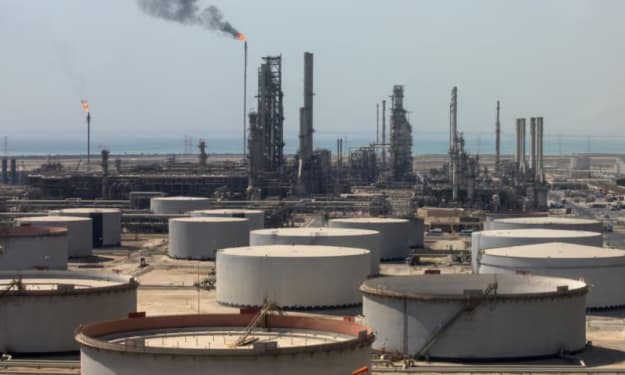
A groundbreaking new study has revealed that 32 fossil fuel companies are responsible for half of global carbon dioxide emissions since the industrial era began. The findings highlight the outsized influence of major oil, gas, and coal producers on climate change, and raise urgent questions about accountability, regulation, and the transition to cleaner energy.
By Aarif Lashari3 days ago in Earth


Comments
There are no comments for this story
Be the first to respond and start the conversation.