
The Biodiversity and Natural Cycles of the Bohemian Forest
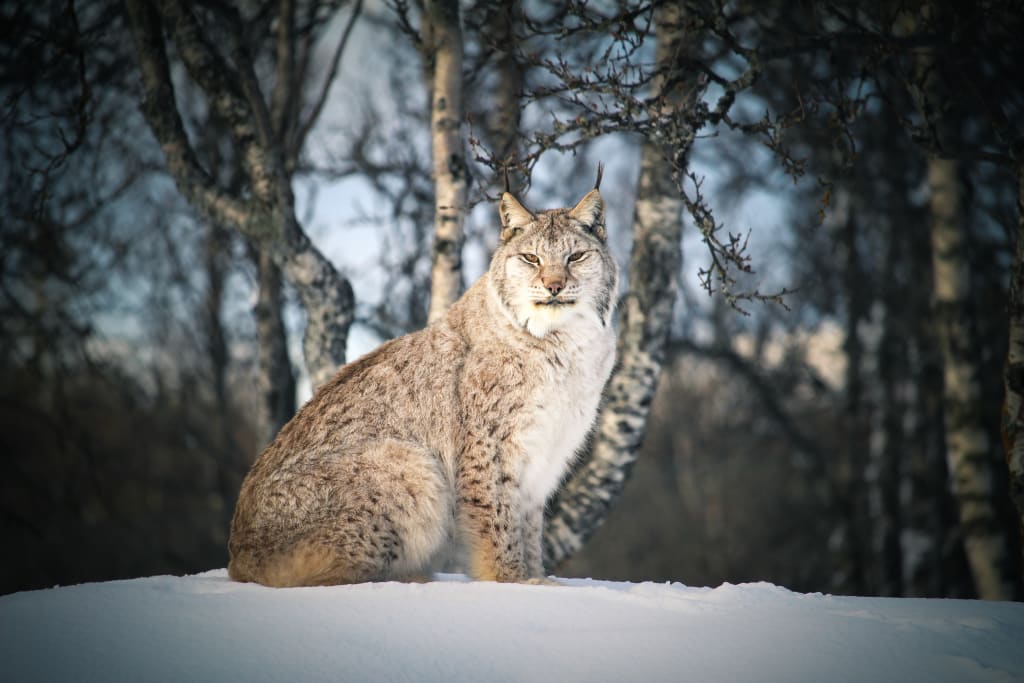
The Lynx - Spectacular Wildlife and a rare Hunter in the Bohemian Forest

Introduction:
The Bohemian Forest, a region known for its rich biodiversity, has witnessed the reappearance of a rare hunter after over a century of absence. The European lynx, once wiped out from the area, has made a formidable comeback, becoming a dominant force in the forest. This pristine ecosystem provides abundant prey for the lynx, alongside ample space for other wildlife, such as wolves, wildcats, beavers, and various bird species. This article explores the intricate interplay of species and the natural cycles that shape life in the Bohemian Forest.
The Forest's Harsh Winters:
The Bohemian Forest experiences long, harsh winters, characterized by a thick blanket of snow lasting five months. This region, known for its continental climate, often receives moisture-laden clouds from the Atlantic. In the early morning cold, these clouds give rise to exquisite ice formations, as the moisture crystallizes. Despite the challenging conditions, the European lynx, thanks to its dense protective fur coat, remains unfazed by the cold. Patrolling its territory every day, the lynx faces the difficulty of silent hunting in the crisp snow, just as its prey faces similar challenges.
The Lynx's Role and Territory:
Male lynxes, whose territories can cover several hundred square kilometers, ensure their dominance and mark their territory by leaving spurts of urine. These territories sometimes overlap with those of female lynxes. Once mating occurs, the lynx parents cautiously avoid each other, and the female returns to her young from the previous year's litter. Harmonious sibling relationships prevail until sexual maturity, at which point the lynx family dynamics change. Regular visits from the mother to her young brood ensure their well-being, as successful hunts every two to three days are crucial to their survival.
The Forest's Abundant Wildlife:
The Bohemian Forest, stretching 120 kilometers along the border between the Czech Republic and Bavaria, boasts valleys that remain largely inaccessible to humans. This vast expanse provides ample space for large predators like wolves, which have found their way back since the 1980s. In addition to the lynx, the forest supports a diverse array of species, including the black grouse, red and roe deer, foxes, owls, and numerous birds. Each species plays a vital role in maintaining the ecosystem's balance and contributes to the forest's overall biodiversity.
Seasonal Changes and Life Cycles:
As winter gives way to spring, the forest undergoes a transformation. The arrival of the black grouse signals the mating season, with males engaging in impressive displays to attract females. Early bloomers take advantage of the available sunlight before the leafy canopy obstructs it. Squirrels, anticipating the abundance of acorns and beech nuts, rely on their hidden stores for sustenance until these food sources become readily available. Throughout spring, various animals, including wild boars and foxes, rear their young, preparing them for the challenges of the forest.
Waterways and Hidden Habitats:
Countless streams meander through the Bohemian Forest, nourished by the melting snow and rainwater. These water bodies, such as the Flotava River and Königsfeld Moorland Lake, provide drinking sources for the lynx and attract other species. The forest's hidden habitats, such as abandoned woodpecker chambers and dense vegetation, become crucial nesting grounds for owls, shelters for badges, and homes for a diverse range of insects and smaller mammals.
The Lynx's Reproduction and Future:
Within the secluded confines of the forest, the lynx mother retreats to a carefully selected cave to give birth to her young. The birthing process, while challenging, remains hidden to outside observers. The kittens, born in a vulnerable state, are nurtured by their mother's care. As they grow, they learn to venture out into the world, developing their hunting skills under their mother's guidance. With time, these lynx offspring will eventually leave the safety of their family unit, setting out to establish their own territories within the Bohemian Forest or, in some cases, migrating to other regions.
Conclusion:
The Bohemian Forest stands as a testament to the resilience and revival of its wildlife. The return of the European lynx and the coexistence of various species demonstrate the importance of preserving natural habitats. This pristine ecosystem, with its interconnected cycles and intricate relationships, serves as a reminder of the delicate balance required for sustaining biodiversity. The Bohemian Forest's unique characteristics make it a sanctuary for numerous species, enabling the perpetuation of life and the flourishing of diverse wildlife populations.
About the Creator
Keep reading
More stories from Anu Preethi Danila D and writers in Earth and other communities.
Surviving the Harsh Conditions: Wildlife Adaptations in Namib Desert
Spanning vast stretches along the coast, the Namib Desert stands as a testament to resilience, boasting the distinction of being the world's oldest desert. Its unforgiving environment, characterized by extreme aridity and formidable conditions, challenges life in profound ways. However, contrary to desolation, the Namib Desert teems with diverse and remarkable wildlife, including the enigmatic desert elephants. With a meager annual rainfall of a mere 20 millimeters and its juxtaposition to the sea, the Namib Desert poses extraordinary obstacles for survival. This article unveils the extraordinary strategies and adaptations harnessed by the denizens of the Namib Desert, enabling them to thrive amidst the harshest of circumstances.
By Anu Preethi Danila D3 years ago in Earth
FPS: Roots and Branches Challenge Winners
The FPS: Roots and Branches Challenge has wrapped up, and gaming enthusiasts around the world are celebrating the winners of this exciting and competitive event. From showcasing incredible skill to creative problem-solving, participants pushed their limits, making the challenge a true testament to the evolving world of first-person shooter (FPS) games.
By Aarif Lashari5 days ago in Earth

Comments
There are no comments for this story
Be the first to respond and start the conversation.