
The anatomy of corals and how they grow.
Corals are fascinating and unique creatures that live in marine environments all over the world.
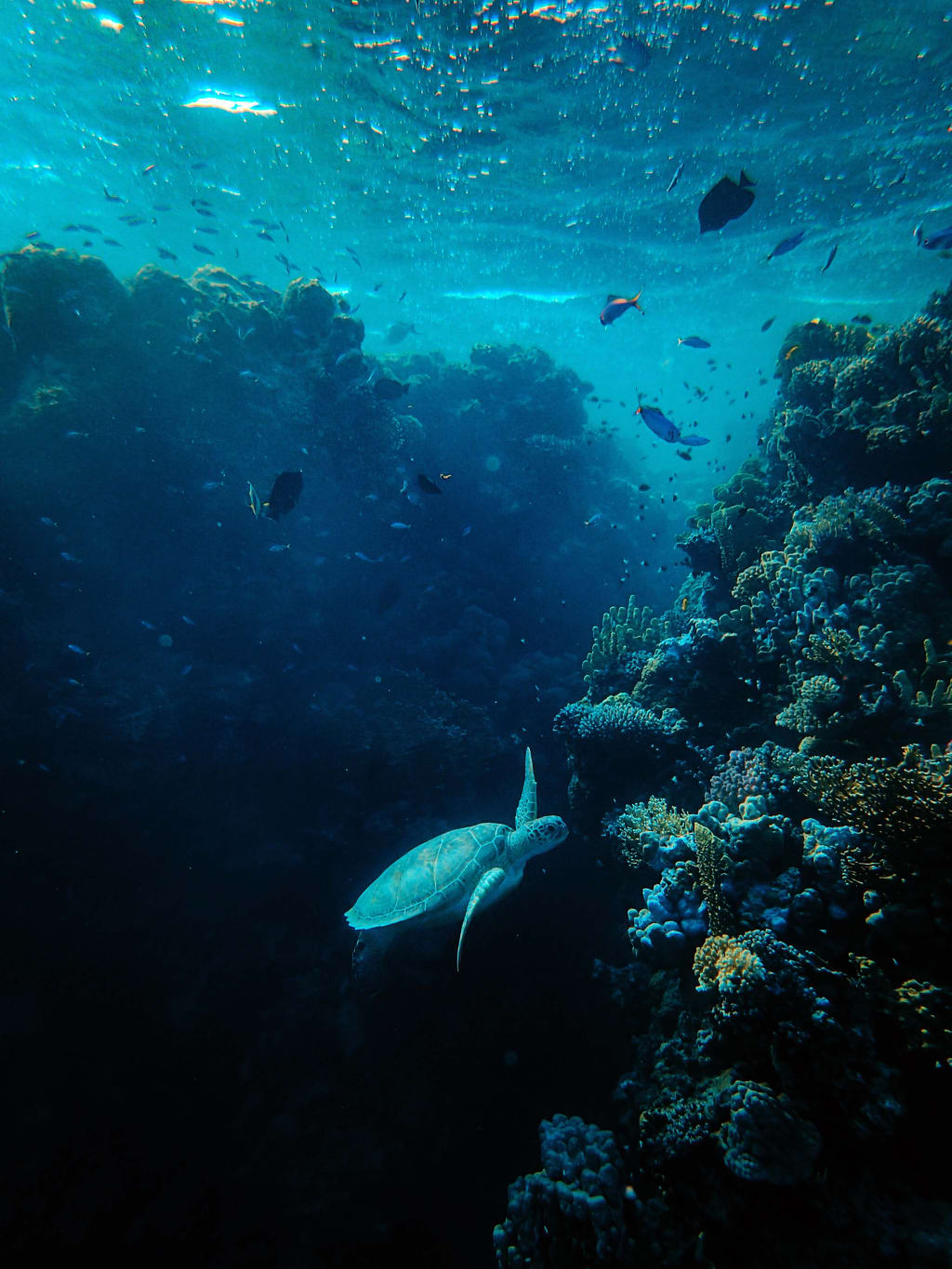
Corals are fascinating and unique creatures that live in marine environments all over the world. They are invertebrates that belong to the phylum Cnidaria, which also includes jellyfish and sea anemones. Corals are colonial animals that grow in large groups, forming vast reefs that are some of the most biodiverse and ecologically important ecosystems on Earth. In this article, we will take a closer look at the anatomy of corals and how they grow.
Anatomy of Corals
The body of a coral is called a polyp, and it is a simple structure made up of three layers of tissue. The outer layer is called the epidermis, which is a thin layer of cells that cover the surface of the polyp. The middle layer is called the gastrodermis, which lines the interior of the polyp and is responsible for digesting food. The innermost layer is called the mesoglea, which is a jelly-like substance that provides structural support to the polyp.
At the top of the polyp is the mouth, which is surrounded by tentacles that are used to capture food. The tentacles are armed with stinging cells called nematocysts, which immobilize small prey such as plankton. The mouth leads to a short tube called the pharynx, which extends down into the gastrovascular cavity. This cavity is a central space that runs the length of the polyp, and it is used for digestion and circulation.
Corals have a symbiotic relationship with algae called zooxanthellae, which live inside the polyp's tissues. The algae photosynthesize and produce oxygen and sugars, which the coral uses for energy. In return, the coral provides the algae with a protected environment and nutrients. This symbiotic relationship is the reason why corals are so dependent on sunlight and why they are found in shallow waters.
Coral Reproduction:
Coral colonies reproduce both sexually and asexually. Asexual reproduction occurs when a single polyp divides in two, creating a genetically identical clone. Over time, these clones can form new colonies and help to expand the overall size of the coral reef.
Sexual reproduction occurs when coral colonies release eggs and sperm into the water column during a synchronized event called spawning. Spawning typically occurs once per year and is triggered by environmental cues such as changes in water temperature or lunar cycles.
During spawning, millions of eggs and sperm are released into the water, where they combine to form new coral larvae. These larvae float in the water column for several days before settling on a suitable substrate and beginning the process of building a new colony.
How Corals Grow
Corals grow very slowly, typically only a few millimeters per year. They reproduce both sexually and asexually, and the new polyps that are formed through asexual reproduction are genetically identical to the parent polyp. The growth of a coral colony begins with a single polyp, which divides through a process called budding. This process involves the formation of new polyps on the side of the parent polyp, which then grow and develop their own tentacles and gastrovascular cavities.
Over time, the polyps continue to divide and grow, forming a colony of genetically identical individuals. As the colony grows, it forms a hard skeleton made of calcium carbonate, which provides structural support and protection. This skeleton is what forms the basis of a coral reef.
In addition to asexual reproduction, corals also reproduce sexually. Once a year, usually in the summer, corals release sperm and eggs into the water in a mass spawning event. This event is synchronized among all the corals in a particular area and is triggered by environmental cues such as water temperature and lunar cycles. The sperm and eggs combine to form a larva, which settles on a suitable substrate and begins to grow into a new polyp.
Threats to Coral Reefs
Corals are facing a number of threats, including climate change, pollution, overfishing, and coastal development. Rising temperatures and ocean acidification caused by climate change are bleaching and killing corals at an unprecedented rate. Pollution from land-based sources is reducing water quality and smothering corals with sediment and debris. Overfishing is reducing the number of fish that eat algae and help to keep coral reefs healthy. And coastal development is destroying coral habitats and reducing the amount of sunlight that reaches them.
In conclusion, corals are remarkable creatures that form the backbone of some of the most diverse and ecologically important ecosystems on Earth.
About the Creator
Keep reading
More stories from Mr Royal Honey and writers in Earth and other communities.
Understanding the importance of corals in the marine ecosystem.
Coral reefs are one of the most diverse ecosystems on our planet, and they play an incredibly important role in supporting marine biodiversity. Covering just 0.1% of the ocean floor, coral reefs are home to more than a quarter of all known marine species, making them vital for the survival of countless species of fish, invertebrates, and other marine life.
By Mr Royal Honey 3 years ago in Earth
Chinese Lantern Festival Lights Up for Lunar New Year
Every year, communities around the world celebrate the Chinese Lantern Festival, marking the end of Lunar New Year festivities with a spectacular display of colors, lights, and cultural traditions. In 2026, the festival once again captivated crowds across China and in international cities, offering a mesmerizing combination of artistry, heritage, and modern spectacle.
By Muhammad Hassan5 days ago in Earth



Comments
There are no comments for this story
Be the first to respond and start the conversation.