
Ten Fascinating Facts About Tornadoes: Unleashing the Power of Nature
Discover the Incredible Science and History Behind These Terrifying Twisters
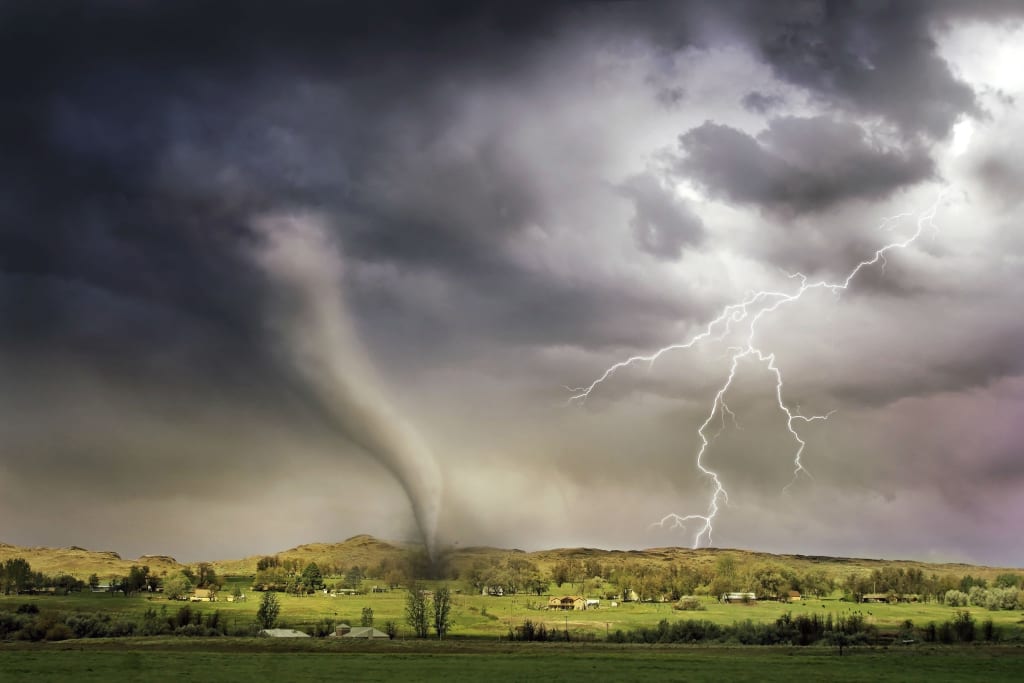
Tornadoes are one of the most fascinating and destructive natural phenomena on Earth. They are powerful and unpredictable and can cause massive devastation in a short amount of time. Here are some interesting facts about tornadoes that you might not know:
## Tornadoes Can Occur Anywhere
Tornadoes can happen in any part of the world, but they are most common in the United States. On average, the US experiences more than 1,000 tornadoes each year. Other countries that experience tornadoes include Canada, Australia, Argentina, and Bangladesh. The deadliest tornado in history occurred in Bangladesh in 1989, killing an estimated 1,300 people. The fact that tornadoes can occur anywhere in the world is a stark reminder of the power of nature and the need for preparedness and safety plans.
## Tornadoes Come in Different Shapes and Sizes
Tornadoes can take on many different shapes and sizes. The most common type of tornado is the rope tornado, which is thin and wispy. Other types of tornadoes include wedge tornadoes, which are wider at the bottom than the top, and cone tornadoes, which resemble a funnel. There are also multi-vortex tornadoes, which contain several smaller tornadoes rotating around a central one. These different shapes and sizes of tornadoes can cause varying degrees of damage and destruction, and it's important to be aware of the type of tornado in your area and how to best protect yourself.
## Tornadoes Can Be Classified by Their Wind Speeds
Tornadoes are classified on the Enhanced Fujita scale, which rates them based on their wind speeds and the damage they cause. The scale ranges from EF0 (wind speeds of 65-85 mph) to EF5 (wind speeds over 200 mph). The strongest tornadoes can level entire cities and cause massive destruction. One such devastating tornado occurred on May 22, 2011, in Joplin, Missouri, killing 158 people and causing over $2 billion in damages. These classifications help meteorologists to determine the severity of the tornado and issue appropriate warnings.
## Tornadoes Are Associated with Severe Thunderstorms
Tornadoes are typically associated with severe thunderstorms, which are characterized by strong winds, heavy rain, and lightning. These storms can produce large hail, damaging winds, and flash flooding. Tornadoes can form quickly and without warning, making them particularly dangerous. The average warning time for a tornado is only 13 minutes. It is essential to have a safety plan in place that includes designated shelter areas and emergency supplies.
## Tornadoes Can Create Multiple Vortices
Some tornadoes can create multiple vortices, which are smaller whirlwinds that rotate around the main funnel. These vortices can cause additional damage and make the tornado even more dangerous. The most famous multiple-vortex tornado occurred in 1999 in Oklahoma City, producing several smaller tornadoes that caused widespread damage. The presence of multiple vortices can make it difficult to predict the behavior of the tornado, increasing the need for safety precautions.
## Tornadoes Are Difficult to Predict
Despite advances in weather forecasting technology, tornadoes are still difficult to predict with accuracy. Meteorologists can identify conditions that are favorable for tornado formation, but they cannot predict exactly when or where a tornado will occur. However, research is ongoing to improve tornado prediction, including the use of drones to gather data on tornadoes. While we cannot control the weather, we can take steps to prepare for tornadoes and stay safe during a storm.
In conclusion, tornadoes are a powerful force of nature that continue to fascinate and terrify us. While we cannot prevent tornadoes, we can take steps to prepare for them and minimize the damage they cause. It's important to have an emergency plan in place, be aware of the types of tornadoes in your area, and stay informed about weather conditions. By staying vigilant and prepared, we can protect ourselves and our communities from the destructive power of tornadoes.
About the Creator
Keep reading
More stories from Toooty Soooosy and writers in Earth and other communities.
Top 10 Experiences
## 1. Travel Traveling is one of the most enriching experiences a person can have. It broadens your horizons, exposes you to different cultures, and helps you appreciate the world we live in. Whether it's exploring a new city, hiking a mountain, or lounging on a beach, travel allows you to step out of your comfort zone and experience life in a new way. Traveling can also help you gain a new perspective on life, and understand that there's so much more to the world than what you're used to.
By Toooty Soooosy3 years ago in Humans
Our European Allies Just Exposed Trump’s Core Weakness—and Also America’s
Recent developments in Europe have cast a spotlight on both Donald Trump’s leadership weaknesses and broader American vulnerabilities in international relations. Allies across the continent have been taking steps that indirectly highlight limitations in U.S. policy, leaving Trump supporters, critics, and global observers questioning whether the United States is adequately positioned to lead on the world stage.
By Muhammad Hassan2 days ago in Earth
Dubai Food District Unveiled as DP World Expands Al Aweer Market
In a significant move that will shape the future of Dubai’s food industry, DP World has unveiled its latest project, the Dubai Food District, as part of an expansion of the Al Aweer Market. This new development is set to revolutionize the region’s food trade, offering state-of-the-art facilities designed to streamline the supply chain, foster innovation, and bolster Dubai’s position as a global hub for food trade. With the rise of global demand for fresh, high-quality food products, this ambitious expansion promises to elevate the UAE’s food sector and enhance the efficiency of food distribution across the region.
By Muhammad Hassan4 days ago in Earth



Comments