
Techniques for getting rid of moles in the garden
How to manage moles in your garden

Maintaining a beautiful garden brings immense joy, but the intrusion of moles can quickly turn that delight into frustration. These subterranean creatures can cause extensive damage to plants, undermining the aesthetics and health of your garden. But fret not! In this blog, we will explore effective strategies to bid adieu to moles while safeguarding your garden's tranquility.
Understanding Moles: Before diving into mole eradication methods, it's crucial to comprehend these intriguing creatures. Moles are small mammals that spend the majority of their lives underground, skillfully tunneling through soil in search of sustenance. Sporting velvety fur, robust forelimbs, and shovel-like paws, they possess remarkable digging prowess. While their tunneling behavior can trouble gardeners, it's worth noting that moles contribute to soil health by aerating it and naturally controlling harmful pests.
Identifying Mole Damage: To combat mole infestations effectively, it's essential to identify the signs of their presence. According to Lawn Starter, some common indicators include:
Raised ridges: Mole tunnels leave behind raised surface ridges that meander across your lawn or garden beds.
Molehills: These peculiar mounds of soil resemble tiny volcanoes and emerge when moles excavate vertical tunnels to expel excess dirt.
Damaged plant roots: Mole tunneling can disrupt and harm plant roots, leading to wilting or the demise of plants.
Humane Methods for Mole Control: While numerous commercial products and traps exist for mole control, let us focus on humane methods that prioritize the well-being of these beneficial creatures. Remember, moles are distinct from rodents, rendering traditional rodent control methods ineffective.
Natural repellents: Certain plant-based repellents, such as those containing castor oil, can be applied to the soil to dissuade moles. These create an unfavorable environment, encouraging them to seek alternative habitats.
Vibrating stakes: Strategically inserting vibrating or sonic devices into the ground can disrupt moles' sensitive hearing and vibrations, rendering the area less appealing to them.
Physical barriers: Implementing underground barriers made of hardware cloth or mesh can prevent moles from accessing specific garden areas. To be effective, these barriers must extend below ground level.
Habitat modification: Discouraging moles involves addressing factors that attract them, such as an abundant food source or excessive moisture. Regularly removing fallen fruits, managing insect populations, and ensuring proper drainage can render your garden less inviting.
Tips for Success:
Patience is key: Successfully controlling moles requires persistence, as they may return or be replaced by new ones. Maintain vigilance and consistency in your efforts.
Monitor and adapt: Continuously monitor mole activity and adjust your chosen control methods accordingly. Moles may adapt to certain deterrents over time.
Collaboration is power: Share experiences and tips with fellow gardeners, participate in online forums, or engage with local gardening groups. Learning from others' experiences can refine your strategies. You could also contact your local extension office for tips as well.
Eradicating moles from your garden necessitates an understanding of their behavior and the implementation of humane control methods. Remember, moles are integral to the ecosystem, so adopting a balanced approach that minimizes harm to your garden and these beneficial creatures is crucial. By employing the strategies outlined in this blog and maintaining a positive mindset, you can conquer the mole invasion and restore your garden's allure and vitality.
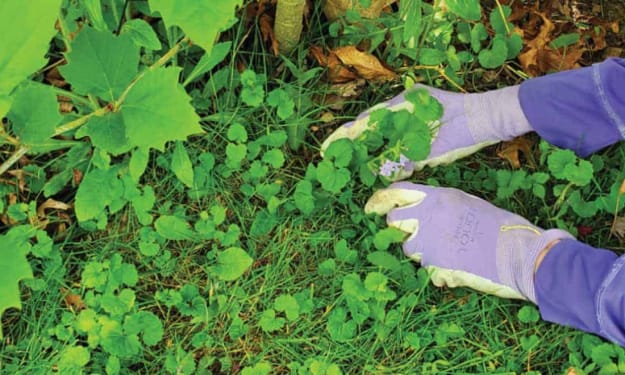
So, roll up your sleeves, don your gardening gloves, and embark on the mission to bid farewell to these unwelcome subterranean visitors. Your garden will wholeheartedly appreciate it!
About the Creator
Angela W.
Gardening is my love language <3
The Problem with Invasive Plants: Identification and Responsible Removal
This scenario plays out in gardens across the continent. Many invasive plants started as intentional garden introductions, valued for their beauty, vigor, and ease of growth. Those same qualities—rapid spread, adaptability, and resilience—make them ecological threats when they escape cultivation.
By Emma Wallace4 days ago in Earth



Comments
There are no comments for this story
Be the first to respond and start the conversation.