
Tanah Papua: A Paradise for Birds
Exploring the Avian Wonders and Breathtaking Biodiversity of Indonesia's Papua Region

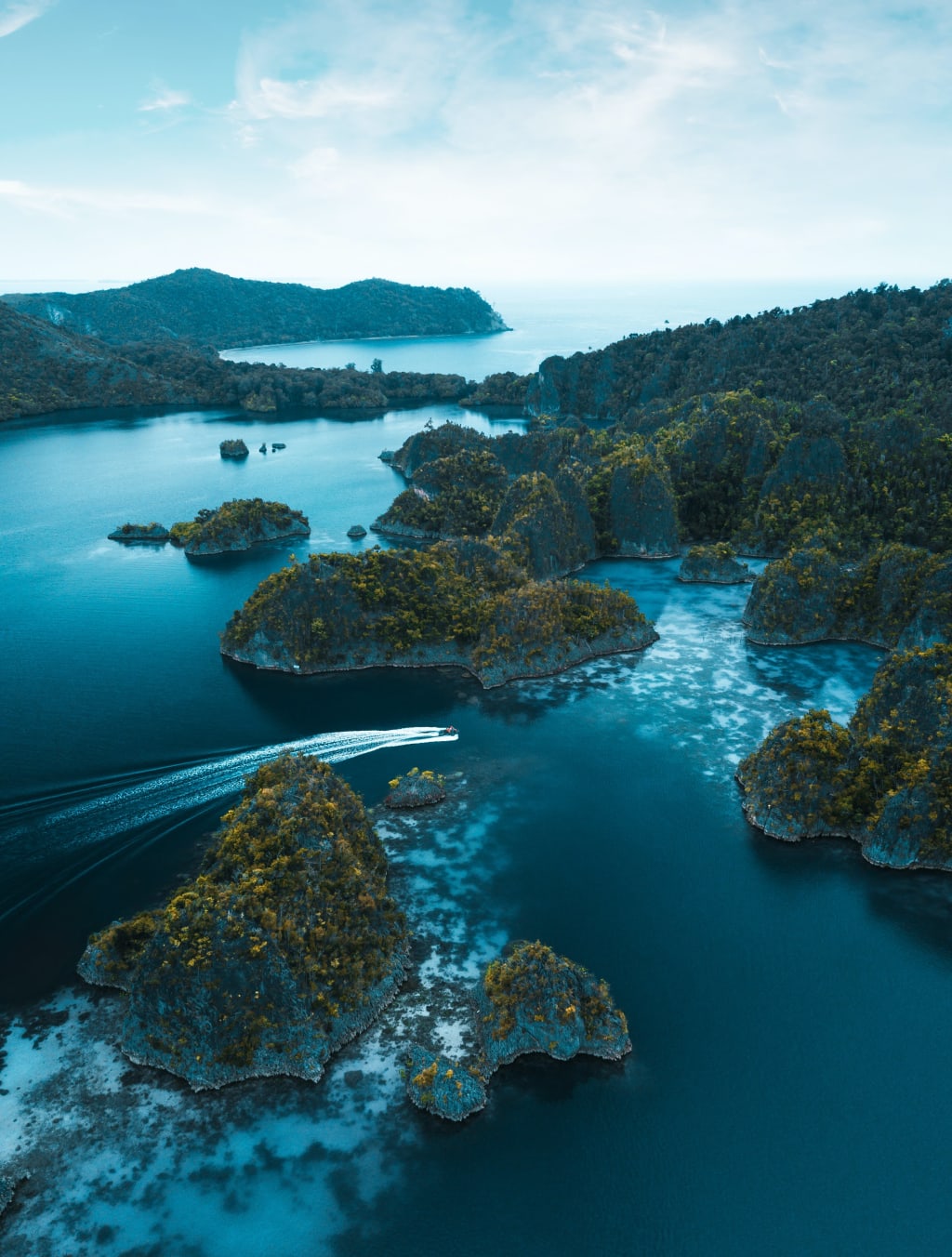
Title: "Papua's Ecological Riches: A Unique Haven for Biodiversity"
Papua, known as Indonesia's poppy land, presents a captivating story as a haven for diverse wildlife, protecting one of the few remaining vast tropical forests worldwide, reminiscent of the Amazon and Congo basins. This lush environment, often referred to as the Earth's lungs, plays a crucial role in supporting life, particularly for the indigenous communities of Papua. With an impressive array of biodiversity, including more than 600 bird species, including the renowned and unique birds of paradise, Papua's diverse geography encompassing coasts, mangroves, forests, and mountains nurtures almost half of Indonesia's biodiversity, cementing its position as an invaluable natural sanctuary.
Title: "Balancing Act: Navigating Threats to Papua's Ecosystem"
Despite the natural beauty of Papua, a looming danger arises from the increasing global demand for timber, palm oil, minerals, and gas. Recognizing the urgency of these challenges, the governments of Papua and West Papua have embarked on a collaborative journey, joining forces with non-governmental organizations, local communities, academics, and religious entities. Their collective mission is to create a sustainable path for development, balancing economic growth with environmental conservation and ensuring the well-being of local communities. With its pristine forests, Papua stands at a crucial point, providing a rare opportunity to develop in a way that promotes the harmonious coexistence of its people and the environment.
As Papua grapples with the delicate balance between progress and conservation, the region becomes a microcosm of the global environmental dilemma. The interconnectedness of Papua's unique ecosystems, the captivating birds of paradise, and the diverse communities highlight the intrinsic value of this land. Local leaders, uniting their communities with shared conservation goals, serve as an example of the potential for sustainable development. Achieving a delicate equilibrium in Raja Ampat, a triumphant region within Papua, emerges as a promising model. Through careful planning, community involvement, and a deep understanding of the fragile ecosystem, positive outcomes can be achieved, instilling hope for the future of Papua.
Title: "Preserving Papua's Legacy: A Call for Global Stewardship"
Papua's tropical forests play a crucial role in maintaining the delicate balance of the world's ecosystems, contrary to the belief that they are isolated. By embracing collaborative leadership and sustainable growth, there is hope for preserving the livelihoods of local communities and protecting the globally significant biodiversity found in these forests. It is important to recognize that the choices made today have far-reaching consequences that extend beyond the borders of Papua, impacting the entire planet. The escalating global demands for resources pose a threat to the region's ecosystems, putting not only Papua but also the entire world at risk. Therefore, it is imperative to find a delicate balance that benefits both the people of Papua and the global environment.
This serves as a call for global stewardship, urging the world to come together to safeguard Papua's unparalleled natural heritage. As the effects of climate change become increasingly evident, Papua serves as a poignant reminder of the intricate relationship between humanity and the environment. The international community must commit to supporting Papua in its conservation efforts, recognizing the collective responsibility we all share. By working together, we can contribute to broader global initiatives aimed at combating climate change and ensure that Papua's ecological riches continue to flourish as a unique sanctuary for biodiversity in the years ahead.
Title: "Safeguarding Papua's Biodiversity: Collaborative Strategies for the Future"
Version 1: The preservation of Papua's ecological wealth is at a critical juncture, prompting the need for collaborative approaches to ensure the region's biodiversity thrives. Governments, communities, and international organizations must unite in safeguarding this extraordinary sanctuary and paving the way for a sustainable future. This section delves into practical measures and possible remedies, underscoring the vital contribution of every stakeholder in protecting Papua's diverse ecosystem. By promoting innovative conservation methods and forging global alliances, the aim is to foster a harmonious balance between human progress and the preservation of Papua's incomparable natural heritage.
Conclusion: "Harmony in Nature: A Collective Call for Papua's Preservation"
In the intricate tapestry of Papua's ecological narrative, the intertwined threads of biodiversity, conservation, and sustainable development tell a story of both obstacles and optimism. Papua, renowned as Indonesia's haven of natural wonders, plays a crucial role in safeguarding some of the world's few remaining untouched tropical forests, standing shoulder to shoulder with the Amazon and Congo basins, the planet's vital lungs.
Exploring Papua's extraordinary ecological treasures unveils a delicate interplay between progress and preservation, a delicate tightrope walk that necessitates global attention and cooperation. As we contemplate the challenges brought about by the worldwide demand for resources such as timber, palm oil, minerals, and gas, the urgency of Papua's predicament becomes unmistakable. The governments of Papua and West Papua, in collaboration with non-governmental organizations, local communities, academics, and religious institutions, have embarked on a joint endeavor, charting a course for development that strives to harmonize economic growth with environmental conservation.
Raja Ampat's success story stands as a shining example of the potential for harmonious coexistence between development and conservation. This region's achievements provide a blueprint for sustainable growth that respects both the unique ecosystems and the livelihoods of the people of Papua. The valuable lessons learned from Raja Ampat highlight the significance of careful planning and community involvement in achieving positive outcomes.
Preserving Papua's rich heritage is not solely the responsibility of local communities or governments; it is a global imperative. The tropical forests of Papua, often referred to as the Earth's lungs, are intricately connected to the ecological balance of our planet. As we find ourselves at a critical juncture, the call for global stewardship resounds loudly. The choices we make today will have far-reaching consequences, impacting not only the people of Papua but the entire world. Papua's ecological abundance serves as a testament to the interconnectedness of humanity and the environment, urging us to collaborate in its preservation.
As we conclude, the focus shifts towards actionable steps and collaborative strategies to safeguard Papua's biodiversity. From innovative conservation practices to fostering global partnerships, every stakeholder, from local leaders to international organizations, plays a crucial role in ensuring the continued thriving of Papua's unparalleled natural heritage. This narrative is not one of despair, but rather of collective responsibility and hope. As the effects of climate change grow more pronounced, Papua stands as a poignant reminder that our present actions shape the legacy we leave for future generations.
In this joint plea for the conservation of Papua, we discover a mutual dedication to coexist with nature instead of exploiting it. The fragile ecosystems, captivating birds of paradise, and varied communities of Papua urge us to adopt a sustainable path forward. By coming together in this pursuit, we actively contribute to the welfare of Papua's inhabitants and the wider global initiatives in the fight against climate change and the preservation of our planet's remarkable biodiversity. Papua's narrative serves as a testament to the harmonious cohabitation that can be attained when humanity assumes the role of nature's guardians, ensuring a lasting legacy of ecological abundance for future generations.
About the Creator
AYOUB AOUAR
I am a content writer and I am a creater design
Keep reading
More stories from AYOUB AOUAR and writers in Earth and other communities.
Our Planet | Birds Of Paradise
The rainforests of Papua New Guinea and the surrounding islands serve as more than just a haven for diverse wildlife. They also provide the backdrop for a captivating phenomenon in the natural world - the Birds of Paradise. These remarkable birds, adorned with vibrant feathers and engaging courtship rituals, exemplify the remarkable variety and splendor found on our planet.
By AYOUB AOUAR2 years ago in Earth
Japan Furniture Market Size and Forecast 2025–2033
Introduction Japan’s furniture industry stands at a unique intersection of tradition and innovation. Renowned worldwide for its craftsmanship, minimalist design, and functional aesthetics, Japanese furniture reflects the nation’s cultural emphasis on harmony, efficiency, and simplicity. Today, as Japan’s population becomes increasingly urban, digitally connected, and environmentally conscious, the furniture market is undergoing a quiet but significant transformation.
By Janine Root 4 days ago in Earth
Malted Wheat Flour Market Size and Forecast 2025
Malted Wheat Flour Market Overview Malted wheat flour is produced by germinating wheat grains, drying them, and grinding them into flour. This natural malting process activates enzymes—particularly amylase—that convert starch into fermentable sugars during baking. The result is improved dough fermentation, enhanced texture, increased loaf volume, and a richer, more consistent flavor profile in baked goods.
By Aaina Oberoi2 days ago in Earth


Comments
There are no comments for this story
Be the first to respond and start the conversation.