Sustainability
Sustainability, Nature and Planet Earth
Once upon a time, in a lush green forest, there lived a community of animals. They lived in harmony with nature and had everything they needed to survive. The trees provided shelter, the river gave them water, and the forest floor provided food.
By Muhammad Adil3 years ago in Earth
Paperwork From The Farm
The experienced Homesteader makes the lifestyle look so easy. Despite how simple they make it look, it’s not. Homesteading is a 24/7 job with no holidays, breaks, or days off. It’s back-breaking work, leaving you exposed to many elements like heat, rain, and snow. There’s a lot going on in a homestead. There are crops that need tending, livestock that needs to be fed, and wool that needs to be spun. Basically, there’s never a dull moment. To keep everything running smoothly, store your information in a special planner called a Homestead Journal. This will help you to stay on top of the day-to-day operations at your homestead.
By M.L. Lewis3 years ago in Earth
Alone in the wilderness
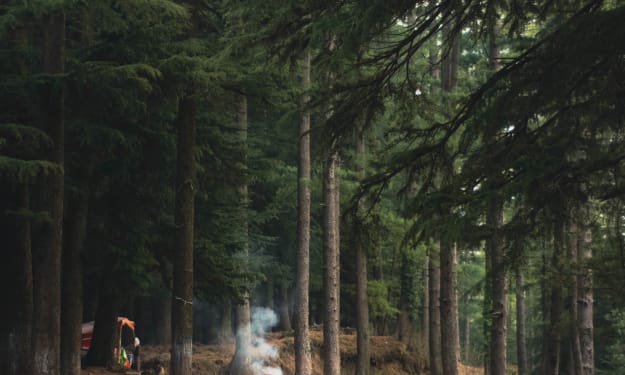
In the heart of the Murree hills lies a serene and tranquil setting, where the beauty of nature is on full display. The air is crisp and fresh, and the silence is only broken by the sound of the crackling campfire. Smoke rises from between the trees, adding to the mystique and allure of the location. The Murree hills are a popular tourist destination in Pakistan, known for their stunning natural beauty and scenic vistas. Located in the north of Pakistan, these hills are a perfect destination for those who love adventure and the great outdoors. They offer a range of activities, including hiking, camping, and sightseeing. The Murree hills are particularly popular in the summer months, when the weather is pleasant and mild.
By Faizan Raza3 years ago in Earth
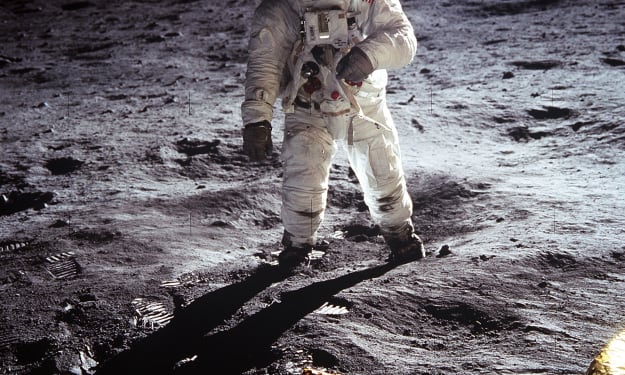
What is the geologic history of the Earth and how have past events such as mass extinctions shaped the planet we know today?
The Earth is a dynamic and ever-changing planet that has undergone significant geological and biological changes over its 4.5 billion years of existence. These changes have been driven by a variety of natural processes, such as plate tectonics, volcanic activity, climate fluctuations, and biological evolution. Throughout its history, the Earth has experienced several mass extinctions, which have profoundly influenced the planet's biodiversity and shaped the course of evolution.
By Aniket Kumar3 years ago in Earth
How have human activities impacted the Earth's climate and what steps can be taken to mitigate these impacts?
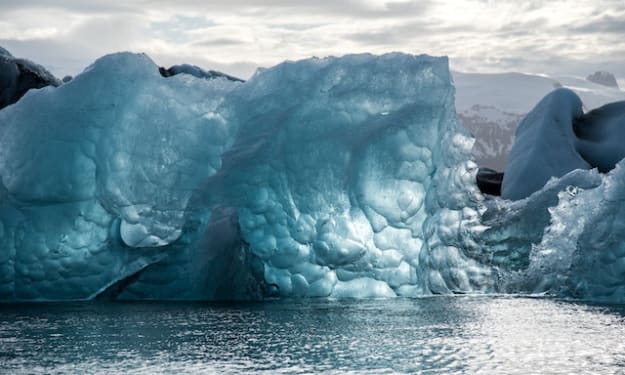
The Earth's climate is changing at an unprecedented rate, and scientists agree that human activities are a significant contributing factor. The burning of fossil fuels, deforestation, and industrial activities have led to a significant increase in greenhouse gases in the atmosphere, trapping heat and causing global temperatures to rise. These changes in the Earth's climate have significant implications for the planet, including rising sea levels, more frequent and severe weather events, and disruptions to ecosystems and human societies.
By Aniket Kumar3 years ago in Earth
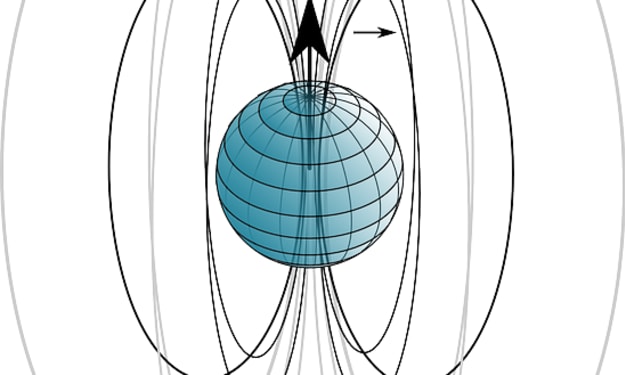
What is the role of the Earth's magnetic field and how does it protect us from harmful solar radiation?
The Earth's magnetic field is an invisible force that plays a vital role in protecting life on our planet. It surrounds the Earth and acts as a shield against the harmful radiation emitted by the sun, preventing it from reaching the surface and potentially causing significant damage to living organisms.
By Aniket Kumar3 years ago in Earth
How do the tectonic plates beneath the Earth's surface move and what effects do these movements have on the planet?
The Earth's surface is made up of a series of massive, interlocking plates that move and shift in response to the underlying movement of molten rock in the Earth's mantle. These tectonic plates are responsible for some of the most dramatic geological features on the planet, from towering mountain ranges to deep ocean trenches, and understanding their movement is essential to understanding the planet as a whole.
By Aniket Kumar3 years ago in Earth
What is the composition of the Earth's atmosphere and how has it changed over time?
The Earth's atmosphere is a thin layer of gases that surrounds our planet and plays a vital role in supporting life as we know it. The composition of the Earth's atmosphere has undergone significant changes over the course of its history, with fluctuations in the concentrations of different gases contributing to everything from the evolution of living organisms to the formation of geological features.
By Aniket Kumar3 years ago in Earth
The Role of Renewable Energy in Mitigating Climate Change
Introduction: Climate change is one of the most significant global challenges of our time, and it is primarily caused by human activities, especially the burning of fossil fuels. The use of non-renewable energy sources has led to a significant increase in greenhouse gas emissions, which has resulted in the warming of the planet. Renewable energy sources, on the other hand, do not emit greenhouse gases, making them a critical tool in mitigating climate change. In this essay, we will discuss the role of renewable energy in mitigating climate change, including the benefits and challenges associated with its adoption.
By Taimoor Khan3 years ago in Earth
Deforestation and its Impact on Earth's Environment
Deforestation is the deliberate removal of trees and other vegetation from an area of land, often for agricultural or commercial purposes. This practice has become a major environmental concern due to its devastating impact on Earth's ecosystem, climate, and biodiversity. In this article, we will explore the causes and consequences of deforestation and the challenges that we face as a global community to mitigate its impact.
By Taimoor Khan3 years ago in Earth
This New Hydrogen Development May Revolutionize the Automotive Industry!
Hydrogen is a tender foot in the race for green electricity despite being the most abundant component on the intermittent table. The difficulties in producing hydrogen and its limited storage capacity have long been outweighed by other endless advances.
By Ahamed Thousif3 years ago in Earth