
Tackling Environmental Pollution: Steps to Take for a Greener Future
Exploring the Causes of Pollution and Solutions to Combat It

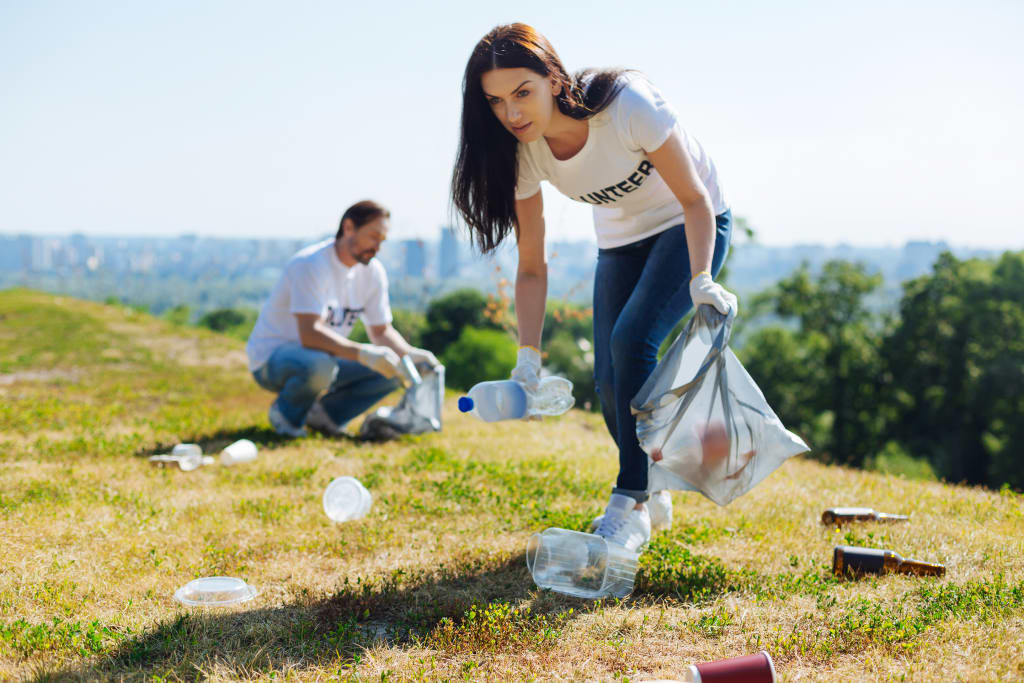
Environmental pollution has become one of the most pressing issues of our time. From air pollution to water pollution, our planet is facing a variety of environmental challenges that threaten the health of people, animals, and plants. While it is true that humans have made significant progress in improving living conditions, these advancements have come at a great cost to the environment. However, it is not too late to take action and prevent further damage to our planet.
- Causes of Environmental Pollution
There are numerous causes of environmental pollution. One of the main culprits is industrialization. As industries continue to grow and expand, they produce large amounts of waste that often ends up in the environment. This waste can be toxic, and it can cause harm to people and animals who come into contact with it. In addition, the burning of fossil fuels is a significant contributor to air pollution, which is responsible for respiratory diseases, heart problems, and other health issues.
Another significant cause of environmental pollution is human activity. As people consume more products and generate more waste, landfills become overloaded, and the trash starts to leak into the surrounding environment. The overuse of pesticides and fertilizers in agriculture can also contaminate the soil and water.
- Solutions to Combat Environmental Pollution
Fortunately, there are many steps that we can take to reduce and prevent environmental pollution. One of the most effective ways is to switch to renewable energy sources. Solar, wind, and hydroelectric power are all clean and sustainable alternatives to fossil fuels. By investing in these energy sources, we can reduce our reliance on coal, oil, and gas and reduce air pollution.
Another solution is to improve waste management. Recycling, composting, and reducing waste can all help to prevent pollution. By properly disposing of hazardous waste, we can keep it from contaminating the environment. Governments can also enforce laws and regulations to ensure that industries dispose of their waste properly and safely.
In addition, individuals can take steps to reduce their carbon footprint. Choosing eco-friendly products, driving less, and using public transportation can all help to reduce air pollution. Planting trees and supporting conservation efforts can also help to reduce greenhouse gas emissions and protect the environment.
Finally, education is an essential tool in combating environmental pollution. By educating people about the dangers of pollution and the steps they can take to prevent it, we can create a culture of sustainability and protect our planet for future generations.
- Conclusion
In conclusion, environmental pollution is a serious problem that requires immediate action. By understanding the causes of pollution and taking steps to combat it, we can create a greener and more sustainable future. Switching to renewable energy sources, improving waste management, reducing carbon emissions, and promoting education are all crucial steps in tackling pollution. We all have a responsibility to protect the environment and ensure a healthy and prosperous future for ourselves and future generations.
Furthermore, we need to address the issue of plastic pollution. Plastic waste is one of the biggest environmental concerns in the world today. It is estimated that over 8 million tons of plastic end up in our oceans every year. This plastic waste not only harms marine life, but it also enters the food chain and can end up on our plates. Therefore, it is essential to reduce our use of single-use plastics, such as plastic bags, straws, and bottles.
Governments and businesses can play a significant role in reducing plastic pollution by implementing policies that encourage the use of reusable products and by promoting sustainable packaging. For example, some cities and countries have implemented bans on single-use plastics or have introduced taxes on plastic bags to encourage people to switch to reusable bags.
Another solution is to support recycling initiatives. Many materials can be recycled, including plastic, paper, and glass. By recycling these materials, we can reduce the amount of waste that ends up in landfills and the environment. However, it is important to ensure that the materials are recycled correctly to prevent contamination.
In addition, we need to address the issue of water pollution. Water pollution can come from various sources, including industrial and agricultural activities, sewage, and waste dumping. It can have severe consequences for aquatic life and can also affect human health.
One way to combat water pollution is to implement regulations that require industries and businesses to treat their wastewater before releasing it into waterways. Governments can also invest in wastewater treatment plants and infrastructure to ensure that wastewater is properly treated.
Individuals can also take steps to reduce water pollution. For example, we can avoid using harsh chemicals, such as pesticides and fertilizers, that can contaminate the water supply. We can also reduce our water consumption by taking shorter showers and fixing leaky faucets.
In conclusion, environmental pollution is a complex issue that requires a multifaceted approach to combat it. By implementing sustainable practices and policies, educating the public, and promoting conservation efforts, we can protect our planet and create a healthier and more sustainable future. We all have a role to play in this effort, and it is up to us to take action and make a positive impact on the environment.
Another important step in combating environmental pollution is to address the issue of air pollution. Air pollution can come from various sources, including vehicles, power plants, and industrial activities. It can have severe consequences for respiratory health and can also contribute to climate change.
One solution to combat air pollution is to promote the use of public transportation and electric vehicles. Governments can invest in public transportation infrastructure, such as buses and trains, to encourage people to use public transportation instead of driving. They can also offer incentives for people to purchase electric vehicles, which emit less pollution than traditional gasoline-powered vehicles.
Another solution is to promote renewable energy sources, as mentioned earlier. Renewable energy sources, such as solar and wind power, do not emit pollution and are becoming increasingly cost-effective. By investing in these sources, we can reduce our reliance on fossil fuels and reduce air pollution.
In addition, we need to address the issue of indoor air pollution. Indoor air pollution can come from various sources, including cleaning products, tobacco smoke, and building materials. It can have severe consequences for respiratory health and can also contribute to sick building syndrome.
One way to combat indoor air pollution is to use natural cleaning products that do not contain harsh chemicals. We can also ensure that our homes are properly ventilated to allow for fresh air to circulate. In addition, we can choose building materials that do not emit harmful pollutants, such as formaldehyde.
Finally, we need to address the issue of climate change. Climate change is caused by the accumulation of greenhouse gases in the atmosphere, which trap heat and cause the planet's temperature to rise. Climate change can have severe consequences, including more frequent and severe natural disasters, rising sea levels, and food and water shortages.
To combat climate change, we need to reduce our greenhouse gas emissions. This can be done by implementing policies and practices that promote renewable energy, energy efficiency, and sustainable transportation. Governments can also invest in reforestation efforts to absorb carbon dioxide from the atmosphere.
In conclusion, environmental pollution is a complex issue that requires a comprehensive approach to combat it. By addressing the causes of pollution and implementing sustainable practices and policies, we can protect our planet and create a healthier and more sustainable future. We all have a responsibility to take action and make a positive impact on the environment, and it is up to us to create the change we want to see.
About the Creator
The Conscious Creator
I am a blogger who is committed to sustainability and conscious living. Through my inspiring posts, I want to make the world a better place.
Keep reading
More stories from The Conscious Creator and writers in Earth and other communities.
Positive and Negative Effects of Video Games on Children
Positive and Negative Effects of Video Games on Children Video games have become a popular form of entertainment among children, with many spending hours each day playing their favorite games. While video games can provide a fun and engaging experience for children, there are also concerns about the potential negative effects they may have on young people's development. In this article, we will explore both the positive and negative effects of video games on children.
By The Conscious Creator3 years ago in Families
Philippines Orphan Drugs Market: Rare Disease Treatment, Access & Healthcare Policy
Philippines Orphan Drugs Market Overview The Philippines orphan drugs market is developing gradually as the country strengthens its healthcare infrastructure and improves access to treatment for rare diseases. The Philippines orphan drugs market size reached USD 1.07 Billion in 2024. Looking forward, the market is expected to reach USD 2.36 Billion by 2033, exhibiting a growth rate (CAGR) of 8.26% during 2025-2033. Although relatively small in absolute size, the market plays an important role in addressing unmet medical needs and supporting long-term healthcare sustainability.
By Manisha Dixita day ago in Earth
Avalanches Kill Five Off-Piste Skiers in the Austrian Alps
The Austrian Alps are often portrayed as a winter paradise — a place of pristine white slopes, thrilling descents, and breathtaking mountain views. Every year, thousands of skiers and snowboarders travel from across the world to experience Austria’s famous alpine resorts. But over the weekend, that dream turned into a nightmare when five off-piste skiers lost their lives in two separate avalanche incidents, once again reminding the world that nature can be as unforgiving as it is beautiful. The deadly avalanches struck the Salzburg region, one of Austria’s most popular winter sports areas, despite clear warnings about dangerous snow conditions. As rescue teams worked tirelessly in freezing temperatures, the tragedy raised serious questions about off-piste skiing, risk awareness, and the limits of human control in extreme environments. What Happened in the Austrian Alps? According to Austrian authorities, the fatal incidents occurred on Saturday in two different locations within the Salzburg Alps. The first and deadliest avalanche struck a group of off-piste skiers in the Gastein Valley. A large mass of snow broke loose on a steep slope, sweeping through the area and burying multiple people. Four skiers were killed, while two others were injured, one of them critically. One person in the group managed to escape without injuries. Roughly 90 minutes earlier, a separate avalanche occurred near Bad Hofgastein, another well-known alpine destination. In that incident, a female skier was buried under snow at an altitude of around 2,200 meters. Despite rapid rescue efforts, she did not survive, bringing the death toll to five. Emergency services responded immediately, deploying multiple rescue helicopters, mountain rescue teams, search dogs, and medical personnel. However, avalanches move with terrifying speed, often leaving rescuers with only minutes to locate victims before survival chances drop dramatically. Avalanche Warnings Were Already in Place One of the most troubling aspects of this tragedy is that avalanche warnings had already been issued across much of the Austrian Alps. In the days leading up to the weekend, heavy snowfall combined with shifting temperatures created unstable snow layers. Avalanche experts warned that conditions were particularly dangerous, especially in ungroomed and off-piste areas. Some regions were placed under high avalanche risk levels, signaling that even experienced skiers could trigger deadly slides. Local mountain rescue officials later emphasized that the danger was well known. They described the incident as a painful reminder that avalanche bulletins are not theoretical — they exist to save lives. The Risk of Off-Piste Skiing Off-piste skiing, sometimes called backcountry skiing, has grown increasingly popular in recent years. Many skiers are drawn to untouched snow, quieter slopes, and the thrill of adventure beyond resort boundaries. But unlike marked ski runs, off-piste terrain is not controlled or secured against avalanches. Ski resorts routinely use explosives and monitoring systems to reduce avalanche risk on official slopes. Outside those boundaries, however, skiers are fully exposed to natural conditions. Snowpack stability can change suddenly due to wind, temperature shifts, or the weight of a single skier. Even with modern equipment like avalanche beacons and airbags, survival is never guaranteed. Once a person is buried, compacted snow can harden quickly, making self-rescue nearly impossible. A Pattern of Tragedy Across the Alps Sadly, this is not an isolated incident. Avalanche fatalities occur every winter across Europe’s mountain regions, and this season has already seen multiple deadly events. Earlier in the week, a 13-year-old boy was killed in an avalanche at another Austrian resort. In separate incidents, skiers have died in Tyrol, Switzerland, and France, all during periods of elevated avalanche risk. Austria alone records an average of around 20 avalanche-related deaths each year, depending on snow conditions and winter tourism levels. Experts warn that climate change may further complicate the issue by creating more unpredictable weather patterns and unstable snowpacks. Rescue Efforts and Emotional Toll Mountain rescue teams are highly trained and deeply committed, but avalanches remain one of the most challenging emergencies they face. In the Salzburg incidents, rescuers worked under intense pressure, racing against time and extreme weather. Beyond the physical danger, such events take an enormous emotional toll on rescuers, local communities, and families of the victims. Alpine towns rely heavily on tourism, and tragedies like this cast a long shadow over what should be a joyful winter season. Authorities have expressed condolences while also urging visitors to reflect seriously on the risks involved in off-piste activities. What Can Be Learned from This Tragedy? While no lesson can undo the loss of five lives, experts consistently highlight several key points: Respect avalanche warnings and bulletins These alerts are based on scientific analysis and real-time data, not guesswork. Understand that experience does not equal immunity Even skilled skiers can misjudge conditions. Stick to groomed slopes during high-risk periods Official ski runs are actively monitored and controlled. Avoid peer pressure and “powder fever” The desire for untouched snow can cloud judgment. Ultimately, the mountains will always involve risk — but informed decisions can mean the difference between life and death. A Sobering Reminder from the Mountains The Austrian Alps remain one of the world’s most spectacular winter destinations. Yet, as this heartbreaking weekend shows, they demand humility and respect. Nature does not negotiate, and it does not forgive recklessness. As investigations continue and families mourn their loved ones, the tragedy serves as a sobering reminder: adventure should never come at the cost of ignoring clear danger. For skiers and snowboarders everywhere, the message is painfully clear — no descent is worth a life.
By Muhammad Hassan5 days ago in Earth
Autonomy Is The Real Privilege
Good morning, freedom-seekers! Today we’re gonna be looking at autonomy. A strange word, I know; one many would probably look at blankly and run away from on sight. We’re gonna figure out what it actually means, consider how it’s achieved, and decipher just how deeply most of us are tangled up in dependence without realising it.
By That ‘Freedom’ Guy3 days ago in Humans



Comments
There are no comments for this story
Be the first to respond and start the conversation.