

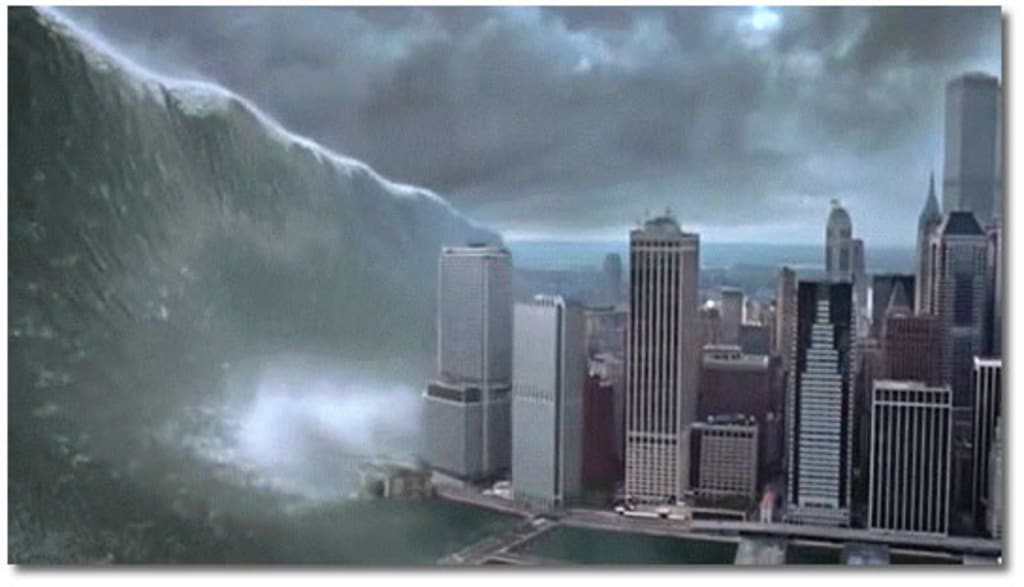
A tsunami is a series of deadly ocean waves caused by an underwater earthquake, landslide, volcanic eruption, or meteor impact. Any event that displaces a large amount of water will result in a tsunami. On average, the world will experience at least two of them causing minor damage to the coastal areas they hit with a devastating ocean-wide one occurring every fifteen years. They can happen in any ocean with 80% of them occurring in the Pacific Ocean around the “Ring Of Fire” region. Tsunamis kill more than 50,000 people in these minor events every year, and in some cases millions, if it’s big enough. November 5th is Tsunami Awareness Day, so here are some survival tips you can use to survive these gigantic waves.
Detecting One
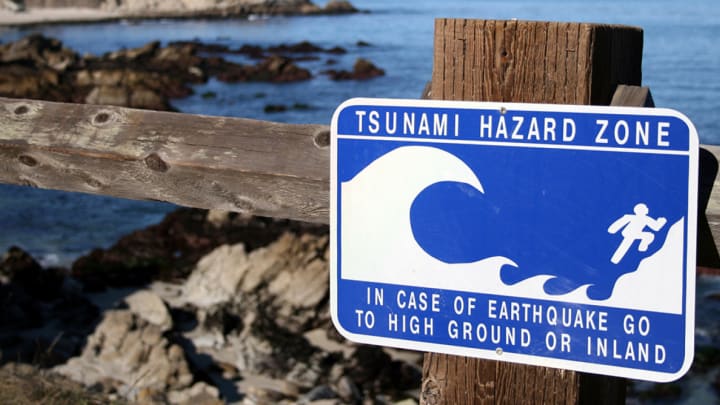
We’ve come a long way at detecting tsunamis before they reach coastal towns. The NOAA has a tsunami program that monitors the oceans for signs of one forming. They issue warnings and instructions to areas that are in the path of one. These early warning systems save lives as a tsunami can reach landfall in ten minutes, or sooner. Any earthquake over 7.0 and 100 kilometers deep in the ocean can cause one. An approaching tsunami wave sounds like a roaring engine similar to a train or aircraft. Everyone has heard the story of the child on the beach watching the water recede. When they see this, they warn everyone to get to higher ground, saving everyone on the beach. Though this story might be a popular urban legend, the part about the water is a factual warning sign of an approaching tsunami.
Your Tsunami Evac Pack

The only way to survive a tsunami is to get to higher ground. To save precious time, it’s a good idea to have a 72-hour bug-out bag ready to go when the sirens go off. This should be something you can easily carry on your back, as you’ll most likely have to flee on foot. Follow the pre-determined evacuation trails as they have been scientifically proven to help you escape. If you cannot escape to higher ground, escape to a nearby building. Run into the nearest, tallest structure you can find and head for the roof. You’ll want to get higher than the third floor to increase your chance of survival. Don’t use the elevator as you can become trapped and drown in them. Only climb a sturdy tree as a last resort because this will leave you exposed to the force of the wave and the floating debris.
Getting Swept Up
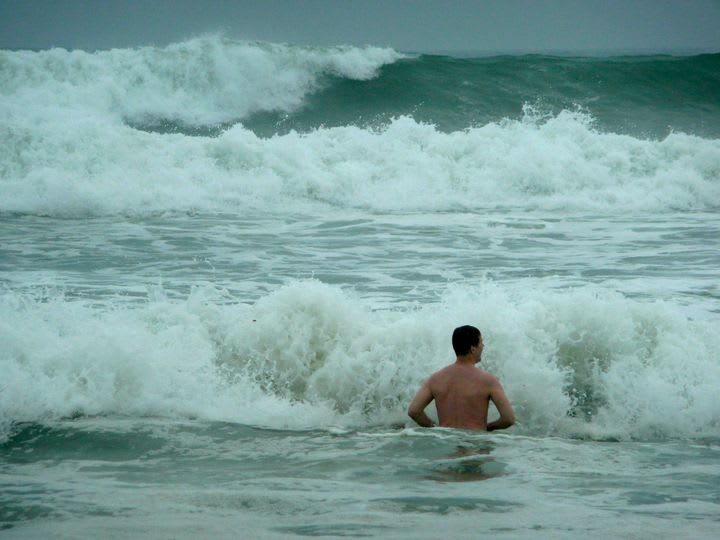
This is the leading cause of death in a tsunami. Due to the speed and force of the waves, you’ll likely be crushed to death. If by some miracle you survive this wall of water, there will be so much debris floating around that you’ll likely be drowned under it all. If possible, grab a piece of it to float to the surface. Once you get a hold of something, swim parallel away from the wave, similar to what you would do when caught in an undertow. Once you make it to the surface, make a life jacket out of your pants by tying the legs together, sticking the torso hole underwater, and inflating it by beating the surrounding water. Swim or float toward a nearby sturdy safe spot like a tree or rooftop. You don’t want to get too far out to sea or you’ll be lost forever.
Out On The Boat

Boats are often at the mercy of rising and falling seawater, so they are designed for such environments. While out boating, the best spot to be is in water deeper than 500 feet. If you can go deeper safely, then do so. If you can’t make it out that far fast enough, don’t try. Instead, secure it to the dock and head to higher ground. Much like you would on foot seek higher ground by following the tsunami evacuation routes or heading to a nearby tall structure. Once it’s over, be careful returning to land. The water would be full of debris and those who unfortunately didn’t make it. On your way back, if you find any survivors in the water, rescue as many as you can since you are their only hope for survival. But don’t put yourself in danger to do this.
The Clean-Up Effort

Tsunamis are one of the messiest disasters. They can cost millions, if not billions, of dollars in damages. They have been known to sweep whole towns away in seconds. Be prepared for a long clean-up as it could take years to return to normal, depending on how big it was. When given the all-clear to return home, do so cautiously. Be careful of second-hand disasters like mudslides, contaminated water, and property damage. While waiting for the all-clear, give first aid to those who need it. If you return home to find it still there, get it inspected before entering it. Filter and boil all water prior to drinking it until officials say otherwise. Stay away from suspicious puddles, as they might be chemicals. Report them to authorities so they can be properly cleaned up.
About the Creator
M.L. Lewis
Welcome to my little slice of pie. This blog will primarily focus on prepping and homesteading skills with a sprinkle of fiction every now and then.
Keep reading
More stories from M.L. Lewis and writers in Earth and other communities.
Fighting Off Blood Suckers
Mosquitoes are the deadliest animal on planet Earth. Their primary food source is protein and other compounds found in the blood. They kill over 700,000 people worldwide. They are known for carrying many diseases such as Zika, West Nile Virus, and Yellow Fever, just to name a few. Of the 3,000 types of mosquitoes, 176 live in the United States. Only 200 of the overall known species attack humans, leaving painful itchy bites every day. Sometimes these bites can lead to deadly infections. The best way to protect yourself from becoming a mosquito snack is to control their population and discourage growth. Here are some things that can do just that.
By M.L. Lewis3 years ago in Earth
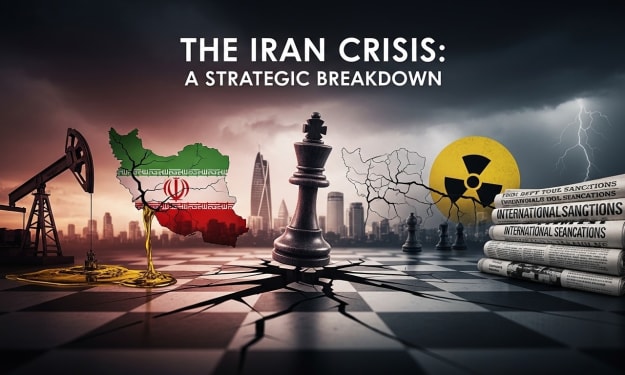
The Iran Crisis: A Strategic Breakdown
**Title:** A few months ago, large Chinese cargo planes were reported in Iran, and it was claimed that advanced defense equipment was being transferred to Iran. Now, according to new reports, Chinese technology is being used in Iran, and as a result, Iran has shot down three American aircraft over Kuwait. While these specific incidents remain unverified by independent international sources, they reflect broader concerns about escalating military-technical cooperation between Tehran and Beijing. Notably, in 2021, Iran and China signed a comprehensive 25-year strategic partnership agreement covering economic, energy, and security cooperation—a framework that could plausibly facilitate defense technology transfers.
By Literary fusiona day ago in Earth


Comments
There are no comments for this story
Be the first to respond and start the conversation.