
Supreme Court Blocks Deportations Under the Alien Enemies Act – A Historic Ruling
"Why the Supreme Court Said No: How a 200-Year-Old Law Was Revived to Deport Migrants"

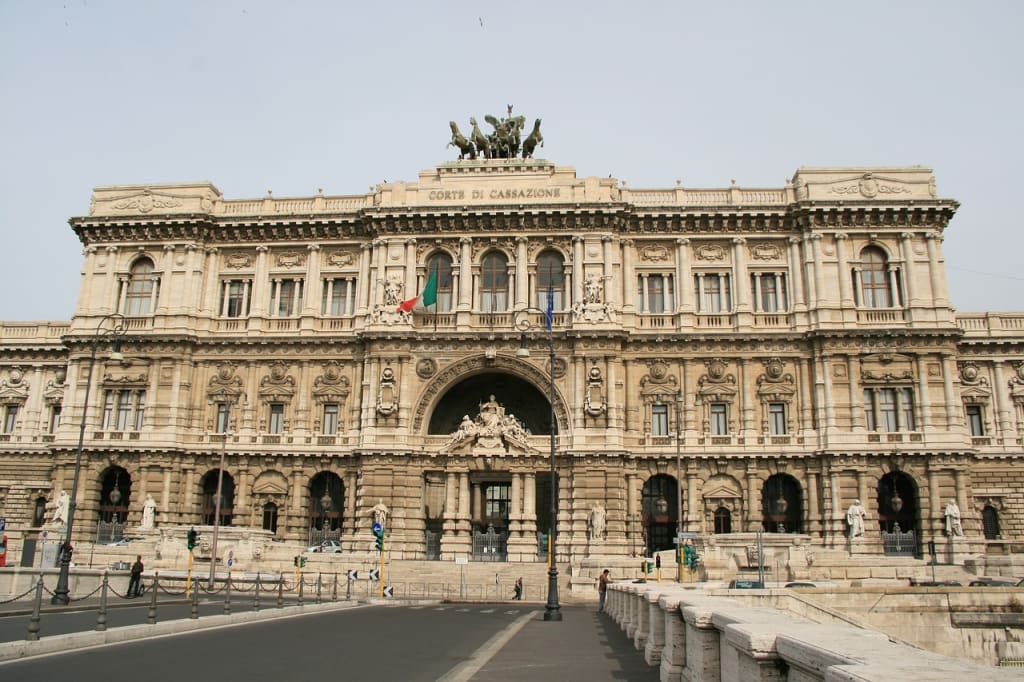
A significant decision was recently handed down by the Supreme Court of the United States, making national and international headlines. The Alien Enemies Act of 1798, a law that dates back centuries, was used as the basis for the deportation of some Venezuelan migrants. The court temporarily halted their removal. This law, originally passed during a time of war with France, gives the U.S. government the power to detain or deport non-citizens from enemy nations during times of conflict. Even though it hasn't been used much, it was suddenly brought back into use in 2025 by the Trump administration, which sparked serious legal and human rights debates. ⚖️ The Beginning of the Controversy
In early 2025, former President Donald Trump made a bold move. He declared that members and alleged affiliates of the Venezuelan criminal gang Tren de Aragua were essentially "unlawful combatants" and accused the group of operating inside the United States. Using the Alien Enemies Act, Trump authorized the detention and removal of dozens of Venezuelan migrants, most of whom were held at the Bluebonnet Detention Center in Texas. The administration’s plan was to deport them to El Salvador’s notorious mega-prison, known as CECOT — a facility known for its brutal conditions.
However, there were no confirmed gang ties among many of the detainees. They were asylum seekers or undocumented immigrants, but not criminals. Legal experts and rights groups quickly raised alarms.
🧑⚖️ Legal Challenge
The American Civil Liberties Union (ACLU) filed an emergency appeal, claiming that:
The migrants were being deported without fair trials,
Even though the majority of them only spoke Spanish, they only received notices in English. And they were labeled as threats based on flawed intelligence or mistaken identity.
Despite pending court orders, some migrants had even been removed from the country. This led to accusations that the administration was defying judicial authority, triggering a deeper constitutional crisis.
The Supreme Court Takes Action In response, the Supreme Court issued a temporary injunction halting the deportations. None of the detainees could be expelled from the United States until further notice, according to the court's decision. This order doesn’t just protect a handful of people—it draws a line regarding how far a government can go in using emergency wartime laws against civilian migrants.
🔥 Reactions & Backlash
The decision sparked a fierce debate. Trump supporters argue that the move was necessary to remove dangerous criminals and safeguard national security. They believe the Alien Enemies Act is a valid tool to combat foreign threats — especially violent gangs like Tren de Aragua.
But human rights groups and immigration advocates strongly disagree. They assert: “This law was written over 200 years ago for a very different world. It is currently being misused to target powerless, vulnerable individuals. They also argue that some detainees were misidentified, unfairly targeted, and given no proper legal representation. It is alleged that courts were completely bypassed in some instances. 🕰️ A Law from Another Era
Let’s take a moment to understand the Alien Enemies Act itself.
It was part of the Alien and Sedition Acts of 1798, passed during tensions with France. During World War II, it was used to detain and relocate Japanese, German, and Italian nationals — many of whom were innocent civilians. The law has been rarely enforced since then. Now, for the first time in decades, it’s been pulled from history’s shelf and used to justify fast-track deportations — without modern due process.
🔮 What’s Next?
As of now, the deportations are on hold. The Supreme Court's decision is temporary, meaning the case is still ongoing. Lower courts will keep looking into whether applying this wartime immigration law to a peacetime situation is permissible. Meanwhile, the Biden administration and various lawmakers are under pressure to respond, as the case reopens broader questions:
Should current immigration policy still be governed by old laws? How much power should the executive branch have in labeling people as “enemies”?
And what happens when civil liberties clash with national security?
🧭 Final Thoughts
This situation is more than just a courtroom battle. It’s a symbolic fight over the soul of a nation — between security and justice, between fear and freedom.
When governments begin labeling migrants as “enemies,” it becomes easier to strip away their rights. And when courts allow it, it sets a dangerous precedent that could impact not just immigrants — but the legal rights of everyone.
The Bottom Line: The Supreme Court has spoken—for now. However, the conflict continues. Will the Constitution protect the powerless?
Or will power redefine the Constitution?
Only time—and justice—will tell.
About the Creator
SAIFONOVA
YOUR VISION MY MISSION
Beckhams Spotted Together in Paris After Brooklyn Row
A Family Reunion in the City of Light David and Victoria Beckham were recently spotted together in Paris, drawing attention from fans and media alike. The appearance comes shortly after reports of a disagreement between the famous couple and their eldest son, Brooklyn Beckham, who has been navigating his own professional and personal endeavors.
By Aarif Lashari3 days ago in Earth




Comments
There are no comments for this story
Be the first to respond and start the conversation.