
🌿 Succinic Acid: A Natural Booster for Your Plants That Actually Works
How One Natural Ingredient Can Transform Your Garden — Fast, Safe, and Affordable

A couple of seasons ago, I was staring at my weak, leggy seedlings again — pale leaves, slow growth, and zero signs of life. It felt like the same story every spring. But then a fellow gardener recommended something I'd never seriously considered: succinic acid.
Honestly, I thought, “Not another miracle product...” But I gave it a try. And wow — within days, my plants were visibly stronger. Today, this little white powder is my go-to secret for reviving tired greens and boosting growth naturally.
Let me show you why succinic acid is a game-changer for plants — and how to use it effectively in your own garden or indoor jungle.
💧 What Is Succinic Acid?
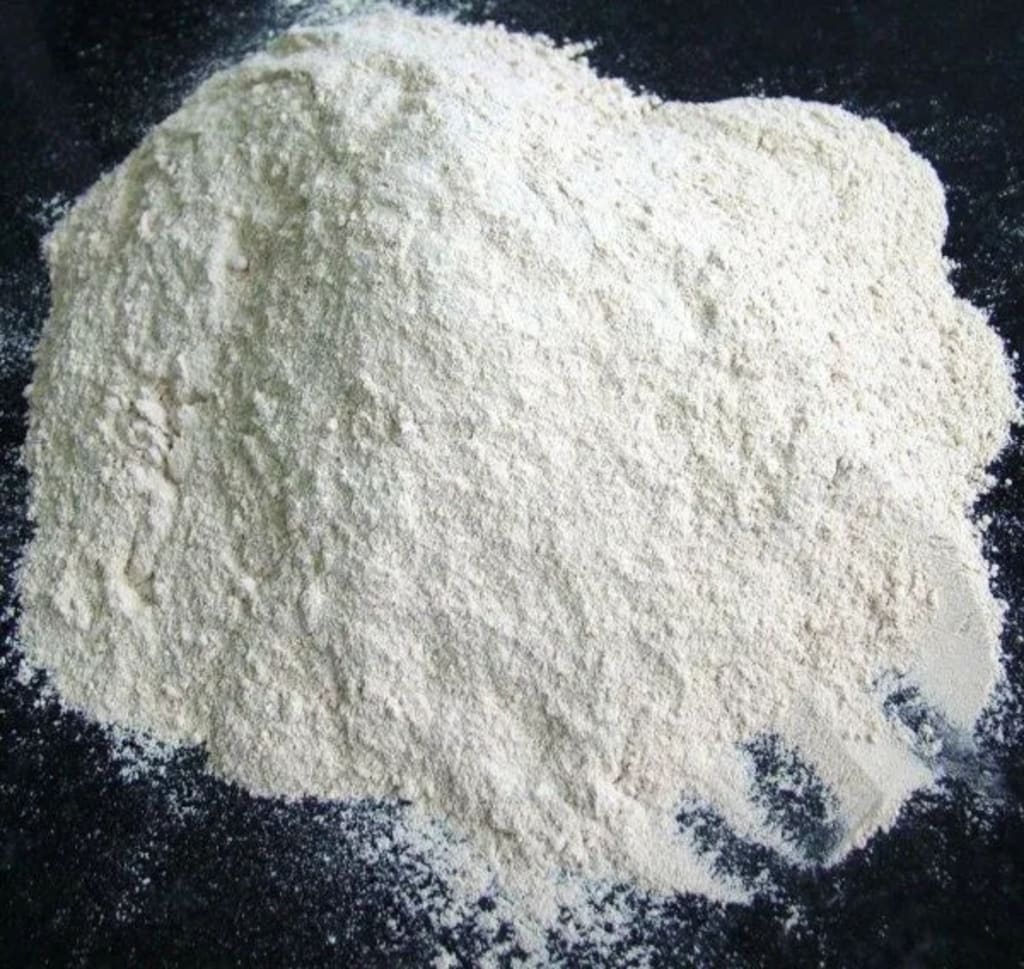
Succinic acid is a natural compound that’s typically extracted from amber — that’s why it’s sometimes called “amber acid.” In its pure form, it looks like a white, odorless powder that easily dissolves in water. It’s inexpensive, widely available in pharmacies and garden stores, and most importantly — incredibly effective.
🌱 Why Your Plants Will Love It
Succinic acid works on a cellular level, helping plants become stronger, more resilient, and more productive. Here's what it does:
- Improves cell metabolism and nutrient absorption
- Boosts seed germination rates
- Speeds up root and leaf development
- Helps plants recover from stress (transplant shock, sunburn, diseases)
- Extends the flowering period
- Increases the quality and quantity of fruits
- Strengthens overall plant immunity
In short, it’s like giving your plants a natural energy drink — without any chemicals.
🧪 How I Use It in My Garden
Here’s how I personally apply succinic acid, with real results to back it up:
🔹 For Seeds:
I soak seeds in a 1.5% solution for 12–24 hours before planting. They germinate faster and stronger, with noticeably better root systems.
🔹 For Seedlings:
I spray the leaves with a 2% solution a few days before transplanting. This reduces shock and helps them adjust faster to outdoor conditions. Sometimes, I even water them with the same solution after planting.
🔹 For Recovery:
When my indoor plants suffer after moving, or when leaves start turning yellow, I water with a 0.5–1% solution and mist the foliage. In 3–4 days, I usually see new growth and stronger stems.
🌼 Which Plants Benefit Most?
Pretty much everything green loves a boost from succinic acid:
✅ Tomatoes, peppers, cucumbers — for faster growth and better flowering
✅ Flowers like orchids, geraniums, petunias — for lush blooms
✅ Houseplants — during repotting, stress, or leaf drop
✅ Lawns — for greener, denser grass
✅ Even herbs and microgreens — to speed up the cycle
🚀 What’s New and Innovative?
Gardeners and farmers are getting creative with how they use succinic acid:
- Nano-formulas are now available, allowing precise micro-dosing
- It’s being blended with micronutrients like magnesium and zinc
- Smart irrigation systems can now auto-distribute it in greenhouses
- Some vertical farms use it in their LED-lit tower gardens
Even urban gardeners in apartments are using it for balcony herbs, pothos, and even lettuce grown on windowsills.
🌍 Why It’s Safe (and Sustainable)
Succinic acid is 100% biodegradable and non-toxic. It doesn’t accumulate in fruits or soil, and it breaks down naturally — making it perfect for organic gardening and sustainable agriculture.
It’s also pet-safe and human-friendly, which matters if you’re growing food in your kitchen or around kids and animals.
💬 Final Thoughts
Succinic acid might not be the most talked-about plant supplement out there — but it definitely should be. It’s cheap, natural, easy to use, and really effective. Whether you’re trying to revive sad-looking houseplants or grow stronger tomatoes, this is a simple trick that makes a big difference.
🌟 Have you ever used succinic acid on your plants?
What did you notice? Let’s trade tips in the comments — I’d love to hear your results!
About the Creator
Helga Che
My name is Olga, I love studying plants and ecology.
Birds with Wild Hairdos
Cockatoos are known for their expressive crests, which they raise or lower depending on their mood. The crests can be white, yellow, or pink. These charismatic birds are native to the Australian continent, the islands of the Indo-Australian archipelago, and parts of New Guinea. There are 21 different species of cockatoo, varying in size from the diminutive Galah to the imposing Sulphur-crested Cockatoo. Most cockatoo species are highly social birds, forming strong pair bonds that often last a lifetime. Cockatoos are primarily herbivores, with a diet consisting of seeds, nuts, fruits, roots, and occasionally insects and larvae.
By Rasma Raistersa day ago in Earth
Regenerative Agriculture's Quiet Revolution
by Futoshi Tachino Regenerative agriculture — a holistic approach to farming that restores soil health, biodiversity, and resilience — has rapidly gained traction in recent years. This shift remains largely underappreciated by the public; in a 2024 survey, around 43% of U.S. consumers had never heard of regenerative agriculture (and another 28% had only minimal awareness) [4]. Despite this low profile, tangible developments in regenerative farming are delivering robust results. Farmers are proving that it’s possible to maintain high yields with fewer chemical inputs, improve profitability, and enhance ecological outcomes — all at once. This article explores the evidence-backed progress of regenerative agriculture across regions, the policies and technologies driving its adoption, and why this overlooked sustainability success story deserves greater recognition.
By Futoshi Tachino7 days ago in Earth



Comments
There are no comments for this story
Be the first to respond and start the conversation.