
Stranger Things in South Korea.
Surprise an Inexperienced Traveler
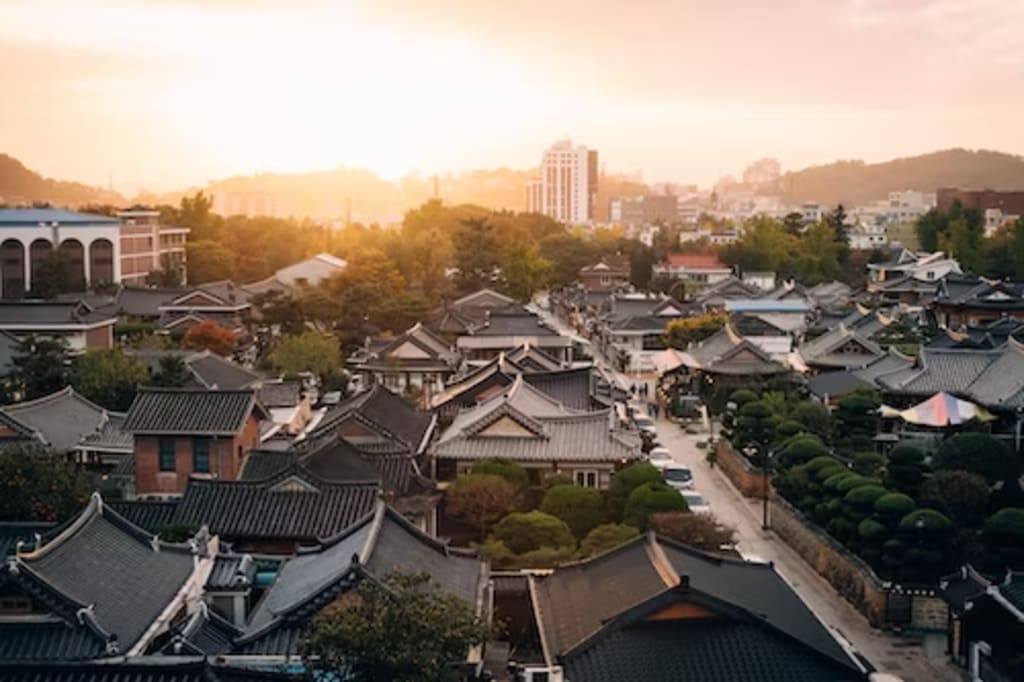
Before embarking on your vacation to South Korea and immersing yourself in the vibrant culture, it's essential to familiarize yourself with some important customs and regulations. Here are a few key points to keep in mind. Firstly, it is important to note that tipping at restaurants is not customary in South Korea. Unlike in some other countries, gratuities are not expected or practiced. Instead, excellent service is considered a part of the job, and the bill covers all expenses. By understanding and respecting this cultural norm, you can navigate dining experiences with ease and avoid any unintentional faux pas. So, prepare yourself to enjoy the delicious cuisine and perhaps catch an exciting BTS concert during your visit!
When dining in South Korea, it's important to respect local customs and avoid certain actions that may be considered inappropriate. Here are a few key points to remember. Firstly, resist the temptation to tip at restaurants, even if you receive exceptional service. In South Korea, tipping is not customary and can actually be seen as disrespectful or demeaning to the staff. Unlike in countries like the US, restaurant and cafe employees in South Korea are already paid fairly, so tipping is unnecessary.
Secondly, be mindful of how you handle chopsticks. Playing with or twirling chopsticks can be considered impolite or even taboo in South Korean culture. Chopsticks are meant solely for picking up and consuming food, so it's best to refrain from using them for any other purpose or engaging in playful gestures with them.
By being aware of these cultural nuances and practicing respectful behavior, you can fully enjoy your time in South Korea and create positive interactions with locals. So, embrace the delicious cuisine, immerse yourself in the vibrant culture, and have a memorable trip!
Chopsticks hold significant cultural significance in South Korea, and it's crucial to be mindful of specific customs related to their usage. For instance, piercing or poking a hole in your food with chopsticks can be interpreted as an insult to the host or chef's culinary skills. Additionally, holding chopsticks vertically or inserting them into rice in a vertical manner is associated with death in South Korean culture, as it resembles incense sticks placed in sand during funerals.
Moving on to the next point, it may come as a surprise to individuals from Chinese culture, but in South Korea, it is not recommended to leave a small amount of food on your plate. While many Americans may recall their parents urging them to finish their meal entirely, in South Korean culture, leaving a small portion of food on your plate is seen as a gesture to indicate that you have thoroughly enjoyed and are satisfied with the host's delicious meal.
By respecting and understanding these cultural nuances surrounding chopsticks and dining etiquette in South Korea, you can engage in a more meaningful and respectful culinary experience during your visit.
When traveling to East Asia, it's important to distinguish between Chinese and Korean table manners. In South Korea, it is considered impolite to refuse refreshments when visiting someone's home, and it is even more offensive not to finish what has been served. Similarly, in cafes and restaurants, leaving food on your plate may lead to reprimands from the staff.
Moving on to superstitions, it is advisable to stay away from the number four while in South Korea. Just as many countries have concerns surrounding the number 13, East Asian cultures, including South Korea, hold similar beliefs regarding the number four. Certain combinations of fours are particularly feared, and numbers with multiple occurrences of the number four are considered even worse. This superstition is rooted in the fact that the Korean word for the number sounds similar to words associated with death and decease. As a result, elevators and public buildings often omit the fourth floor or room number four. Apartment numbers containing multiple instances of the number four, such as 404, are also actively avoided, as they can have a negative impact on the property's value.
These cultural nuances and superstitions provide valuable insights into South Korean customs and traditions. By being aware and respectful of these practices, you can navigate social situations with ease and show appreciation for the local culture.
About the Creator
Joy Moses
As a passionate storyteller and creative content creator,Engaging With a love for words and an imaginative spirit,has honed their skills in the art of storytelling, bringing characters, worlds, and emotions to life through their writing.
The Ghost Metal of Cyprus
She almost put it back. A geologist crouching in the dry scrubland outside Lakia, Cyprus, turned a small rock over in her hand and nearly dismissed it. The colour was wrong. Gold is not supposed to look like that. It was not yellow. It was not even close.
By CurlsAndCommasa day ago in Earth




Comments
There are no comments for this story
Be the first to respond and start the conversation.