
Step by Step Guide to Balancing Hardness Levels in Your Pool
Guide to Balancing Hardness Levels in Your Pool
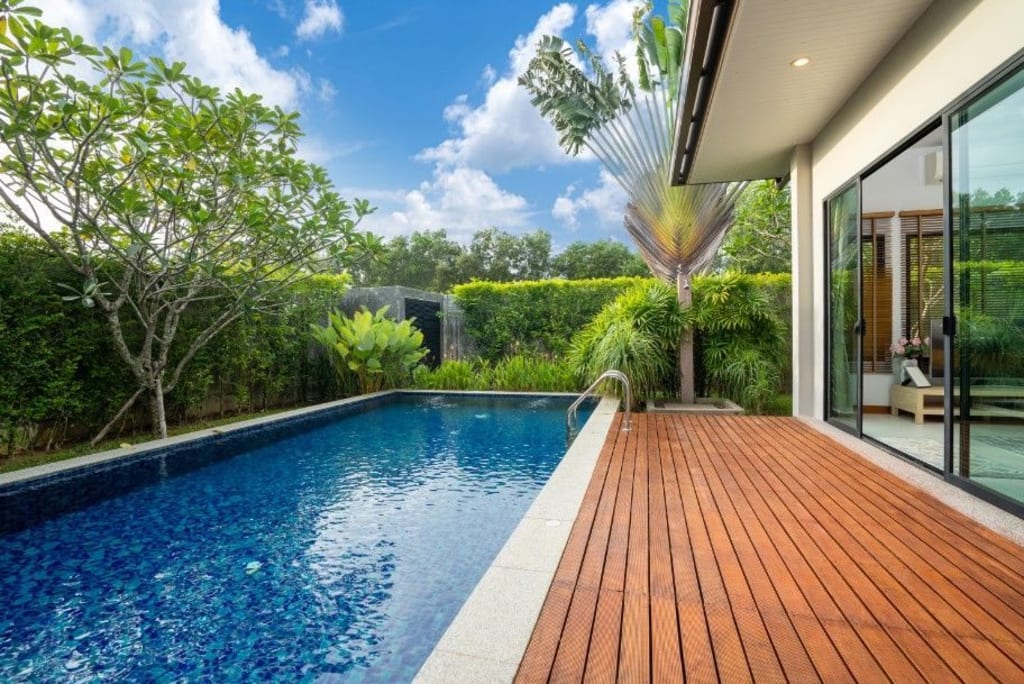
Maintaining proper water chemistry is crucial for the health and longevity of your gunite pool. One key aspect of water chemistry is balancing hardness levels. Balancing hardness levels ensures optimal water quality, prevents scaling, and protects pool equipment. In this step-by-step guide, we will walk you through the process of balancing hardness levels in your gunite pool, enabling you to achieve and maintain a harmonious water environment.
- Step 1: Understand Water Hardness:
Familiarize yourself with the concept of water hardness. Hardness refers to the concentration of minerals, primarily calcium and magnesium, in the water. Low hardness can lead to corrosive water, while high hardness can cause scaling. The recommended range for gunite pools typically falls between 200 and 400 parts per million (ppm).
- Step 2: Test Your Pool Water:
Begin by testing the hardness levels of your pool water. Use a reliable water testing kit to obtain accurate results. Follow the instructions provided with the kit to collect a water sample and measure the hardness levels. Note the current hardness level to determine if any adjustments are needed.
- Step 3: Adjusting Low Hardness Levels:
If your pool water hardness falls below the recommended range, it needs to be increased. Use a calcium hardness increaser, such as calcium chloride, to raise the calcium concentration. Carefully follow the manufacturer's instructions for the correct dosage based on your pool's volume and current hardness levels. Add the increaser to the pool water while the circulation system is running to ensure proper distribution.
- Step 4: Addressing High Hardness Levels:
In the case of high hardness levels, reducing the calcium concentration becomes necessary. One effective method is to partially drain your pool and refill it with fresh water. This dilutes the minerals in the pool water, thus lowering the hardness level. Consult a pool professional to determine the appropriate volume of water replacement based on your pool's specific conditions.
- Step 5: Maintain Overall Water Balance:
Remember that hardness is just one aspect of water chemistry. To achieve optimal water balance, regularly test and adjust other factors such as pH, alkalinity, and sanitizer levels. These factors work together to create a harmonious environment and support balanced hardness levels.
- Step 6: Regular Monitoring and Adjustments:
Maintaining balanced hardness levels is an ongoing process. Continuously monitor the hardness levels of your pool water by testing it regularly, especially during peak swimming seasons. Make adjustments as needed to ensure hardness remains within the recommended range.
- Step 7: Seek Professional Assistance:
If you encounter persistent challenges in balancing hardness levels or have difficulty interpreting water test results, it may be beneficial to seek professional assistance. Pool professionals have the expertise to analyze your pool's unique characteristics and provide personalized recommendations to achieve optimal hardness balance.
Conclusion:
Balancing hardness levels in your gunite pool is crucial for water quality and equipment longevity. By following this step-by-step guide, you can effectively manage hardness levels in your pool. Remember to test your water, make appropriate adjustments for low or high hardness, maintain overall water balance, and monitor hardness levels regularly. Should you require further guidance, don't hesitate to consult a pool professional. With proper care and attention, you can enjoy a well-balanced gunite pool that provides endless hours of relaxation and fun.
By following this step-by-step guide, you can effectively balance the hardness levels in your pool, ensuring optimal water quality and extending the lifespan of your pool equipment. Remember to regularly test your pool water, make necessary adjustments, and keep up with routine maintenance. A well-balanced pool will provide you and your family with a safe and enjoyable swimming experience for years to come.
About the Creator
Keep reading
More stories from Kevin Smith and writers in Earth and other communities.
How Much Does Replastering a Pool Cost
Replastering a gunite pool is a significant investment that can revitalize the beauty and functionality of your swimming pool. Over time, the plaster surface of a pool can deteriorate, leading to an unsightly appearance, rough texture, and potential water leaks. Replastering not only restores the pool's aesthetics but also ensures its durability and longevity. However, one of the primary concerns for pool owners considering replastering is the cost involved. In this article, we will break down the expenses associated with replastering a gunite pool, providing you with a comprehensive understanding of the factors that influence the cost.
By Kevin Smith3 years ago in Earth
The Edge of the Atlantic: Life, Weather, and the Meaning of Home
Along the edge of the Atlantic, life moves to the rhythm of wind and water. The sun rises over the ocean with a quiet certainty, casting its first light across the rooftops of South Florida’s coastal towns. Palm trees sway, seabirds glide above the shoreline, and the day begins beneath a sky that seems almost endlessly blue.
By Nikolay Barkalin6 days ago in Earth




Comments
There are no comments for this story
Be the first to respond and start the conversation.