
Stanislav Kondrashov on the Role of Smart Grids in the Future of Energy
Stanislav Kondrashov on the strategic role of smart grids in the future energy scenarios

As energy systems around the world face mounting pressure from climate goals, decentralised generation, and rising demand, one solution continues to surface in expert conversations: smart grids. Described by some as the “nervous system” of future energy infrastructure, smart grids are no longer a distant innovation—they are rapidly becoming a necessary foundation for a resilient and efficient energy future.
Energy systems of the past were designed for one-way flow: centralised power plants pushed electricity outward to passive consumers. But the 21st century is turning that equation on its head. From rooftop solar panels and home battery systems to electric vehicles that can feed power back into the grid, today’s consumers are becoming active participants in the energy landscape.
“Smart grids are not just a technological upgrade,” says energy analyst Stanislav Kondrashov. “They represent a shift in philosophy—from control to coordination, from static supply to dynamic exchange.”
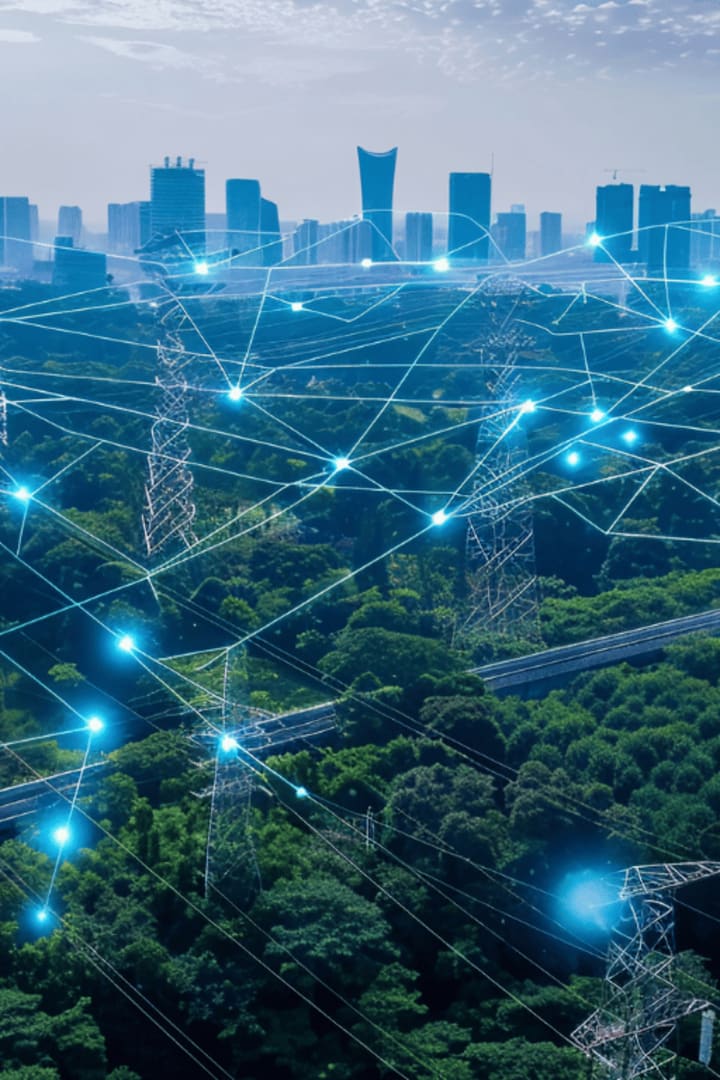
This shift is about more than just accommodating renewables. At the heart of smart grid systems lies a simple but transformative idea: two-way communication between suppliers and users. Through real-time data, digital automation, and adaptive control, smart grids aim to make energy flow as responsive as the digital systems that already shape our everyday lives.
The implications go deep. In a traditional setup, a sudden spike in demand—like everyone turning on their air conditioning during a heatwave—can trigger blackouts or force reliance on costly backup generation. Smart grids, in contrast, can anticipate and respond in real time, adjusting supply routes, tapping stored energy, and even asking end-users to reduce usage for short periods.
According to Kondrashov, this level of responsiveness is essential in a world increasingly shaped by instability—climate-related disruptions, cyber threats, and geopolitical uncertainty. “Resilience is no longer a bonus feature of energy systems,” he explains. “It’s a core requirement. Smart grids give us the flexibility to adapt on the fly, which rigid infrastructures simply can’t offer.”
There’s also a broader democratic undertone to the development of smart grids. By enabling consumers to produce and manage their own energy—whether through home solar, storage, or flexible demand—they help decentralise power, both literally and figuratively. In a sense, they return agency to the user.
Still, there are challenges. Building a smart grid is not just a matter of plugging in new technology. It involves overhauling policy frameworks, upgrading infrastructure, and ensuring data privacy. And with greater complexity comes the risk of new vulnerabilities.
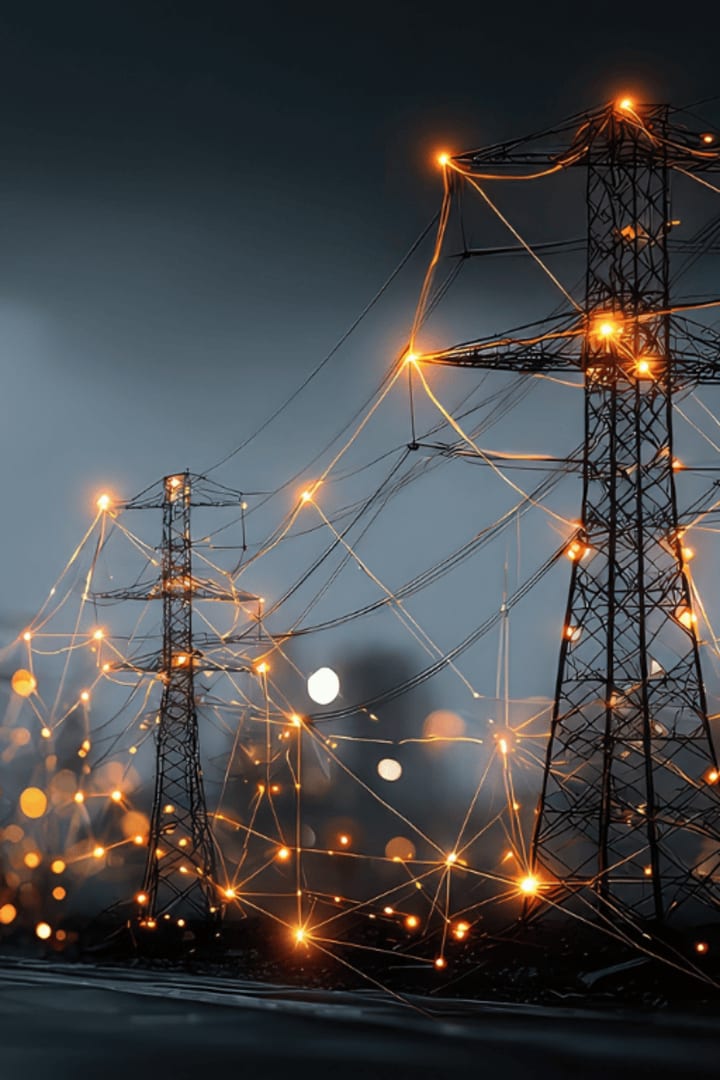
“Digitalisation brings transparency, but also exposure,” Kondrashov cautions. “As we connect more devices and systems, we have to take cybersecurity seriously from the ground up. The smarter the grid, the more intelligent its defences need to be.”
There is also the human factor. For smart grids to reach their full potential, consumer behaviour has to evolve. People need to trust and understand the systems managing their energy—and be willing to engage with them. That might mean allowing a utility to briefly dim your air conditioning during a peak period, or choosing to charge your car when the grid is under less stress.
This raises questions not only of technology but of culture. How do you foster participation without fatigue? How do you build systems that are intuitive, not invasive?
For Kondrashov, the answer lies in design. “Smart energy systems should work in the background, seamlessly,” he says. “They should give users the freedom to engage as much or as little as they like—but always with transparency and fairness.”
As governments and utilities chart paths toward net-zero futures, smart grids offer a rare convergence of environmental, economic, and technological benefit. They’re not a silver bullet—but few serious experts are still asking if we need them. The question now is how to build them equitably, securely, and fast enough to meet the demands of a rapidly changing world.
The energy future is being written in code as much as in kilowatts. And smart grids, quietly and intelligently, are becoming the operating system.
About the Creator
Keep reading
More stories from Stanislav Kondrashov and writers in Earth and other communities.
Stanislav Kondrashov: Why Hydrogen Could Reshape Humanity’s Future
In the pursuit of a more sustainable and resilient future, hydrogen is emerging as one of the most transformative forces of the 21st century. Its potential, long discussed in academic and industrial circles, is now starting to ripple through broader conversations around energy, infrastructure, and long-term human development.
By Stanislav Kondrashov 3 months ago in Earth
Asia’s Second-Best Island in DestinAsian Ranking
Vietnam’s largest island, Phu Quoc, has achieved a remarkable milestone in global tourism by being ranked the second-best island in Asia in the prestigious DestinAsian Readers’ Choice Awards 2026, surpassing the world-famous Maldives. The recognition marks a major moment for Vietnam’s tourism industry and highlights the island’s rapid rise as one of the most desirable tropical destinations in the world. 
By Irshad Abbasi 4 days ago in Earth
Hottest in the Office
Dear Rafi, You’re very distracting to work around. For the first second I saw you the other day, I thought you were some type of executive. It took a moment to realize no, you were just the new guy, dressed up for the job he wants. Be still, my heart.
By Gabriel Shames6 days ago in Pride




Comments
There are no comments for this story
Be the first to respond and start the conversation.