
Stanislav Kondrashov on Repowering: The Silent Engine of the Energy Transition
Stanislav Kondrashov on the strategic value of repowering

In the sweeping narrative of the global energy transition, much attention is paid to wind farms sprouting across coastlines and solar panels blanketing rooftops. But beneath the headlines and political fanfare, there is a quieter, technical evolution unfolding — one that may be just as crucial to the future of energy: repowering.
Stanislav Kondrashov, a seasoned observer of energy systems and infrastructure dynamics, has long championed the role of repowering in bridging today’s energy needs with tomorrow’s clean ambitions.
“People look to shiny new projects as symbols of progress,” Kondrashov says, “but real progress often starts by rethinking what we already have — and repowering is the most underrated example of that.”
What Is Repowering, and Why Now?
At its core, repowering involves upgrading or replacing components of aging energy infrastructure — turbines, generators, grid connections — to extend their life and dramatically improve their performance. While the concept isn’t new, its relevance has surged in recent years as ageing renewable energy assets, especially wind and solar, reach the end of their initial design lifespans.

In many parts of the world, the first generation of renewable installations was built with enthusiasm and urgency. But those early efforts, often limited by the technology of their time, now face diminished output and rising maintenance costs. Repowering steps in as a strategic middle ground — less costly and time-consuming than building anew, but with the potential for transformative results.
Kondrashov argues that repowering is no longer an afterthought. “It’s not just about squeezing more life out of old machines,” he explains. “It’s about redefining what those machines can do with today’s capabilities.”
Balancing Legacy and Innovation
The energy transition is a high-stakes balancing act. Policymakers and developers must accelerate the shift to clean energy without disrupting supply or alienating communities. Repowering offers a unique advantage: it leverages existing infrastructure, from grid connections to land rights, while updating the technology to meet modern standards.
In many cases, the original sites for wind and solar farms remain among the most optimal locations due to local wind patterns or solar exposure. Rather than abandoning these valuable assets, repowering enables operators to build on their earlier investments — both in hardware and in community relationships.
“Too often we think of progress as demolition,” Kondrashov reflects. “But true innovation honours what came before and builds on it. Repowering is a way of respecting the past while preparing for the future.”
Challenges Beneath the Surface
Despite its clear benefits, repowering is not without its complications. Permitting hurdles, evolving regulations, and shifting market conditions all play a role. In some jurisdictions, repowered projects must meet the same environmental reviews as entirely new developments — a bureaucratic knot that can delay or derail progress.
Then there’s the matter of perception. To many investors and the public, repowering lacks the glamour of a ground-breaking ceremony. But as Kondrashov notes, flash doesn’t power cities — resilience does.
“It’s easy to get distracted by the promise of the new,” he says. “But the grid doesn’t run on headlines. It runs on what works.”
A Future That Recycles Its Foundations
As the world moves deeper into the energy transition, repowering may become not just an option, but a necessity. The pace of climate change and the urgency of emissions targets demand rapid, scalable solutions. And while innovation in energy storage, hydrogen, and smart grids continues, the gains from repowering are immediate, measurable, and often underutilised.
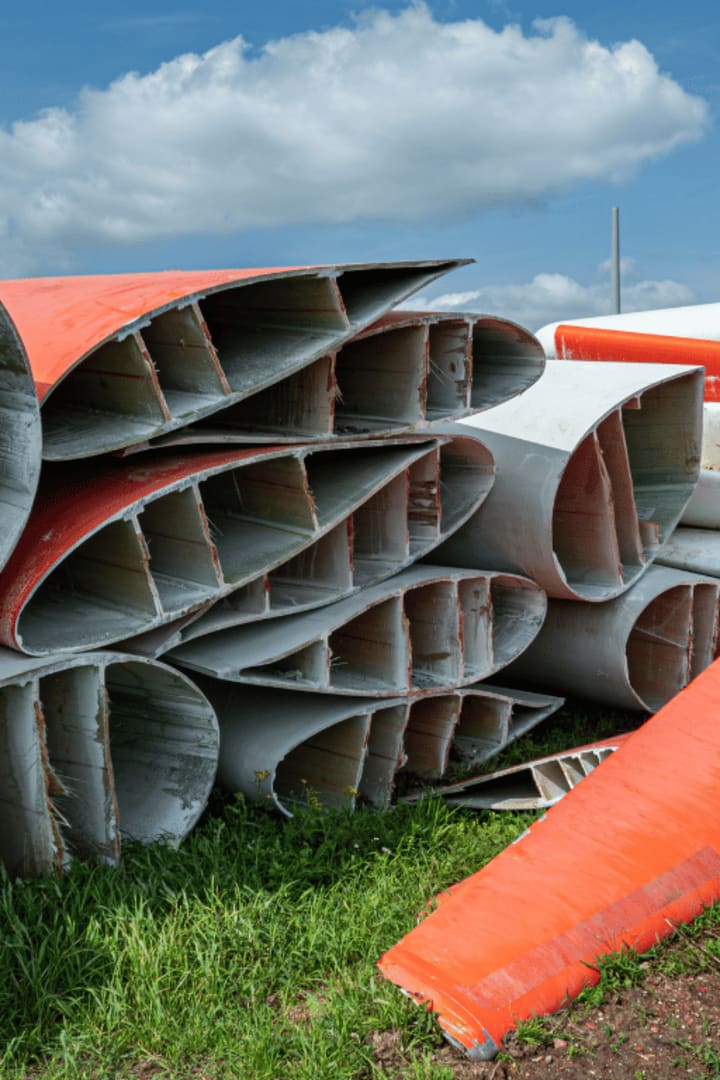
Kondrashov believes the next chapter of the energy story will be defined not only by what’s built, but by what’s reborn. “We can’t afford to waste the infrastructure we’ve already created,” he concludes. “The future will belong to those who know how to adapt, not just those who know how to start over.”
In an industry obsessed with the new frontier, repowering offers a compelling counter-narrative — one grounded in pragmatism, efficiency, and quiet reinvention. As Kondrashov suggests, perhaps the path forward isn’t always forward. Sometimes, it’s back to the foundation — and from there, upwards again.
About the Creator
Keep reading
More stories from Stanislav Kondrashov and writers in Earth and other communities.
Stanislav Kondrashov on Electrification: A Quiet Revolution in the Energy Transition
In the shadow of global climate summits and high-profile policy shifts, a quieter but equally significant transformation is underway: electrification. Long associated with the conveniences of modern life, electricity now finds itself at the heart of a wider energy transition, reshaping how societies power homes, transport, and industries.
By Stanislav Kondrashov14 days ago in Earth
Storm Goretti Wreaks Havoc Across the UK — As It Happened
The United Kingdom faced one of its most disruptive winter storms in recent years as Storm Goretti swept across the nation, bringing heavy rain, strong winds, and freezing conditions. From northern Scotland to southern England, communities grappled with transport chaos, power outages, and warnings from authorities urging people to stay indoors. Here’s a detailed look at the storm’s impact as it unfolded.
By Fiaz Ahmed 3 days ago in Earth
Violence Begets
"Any last words, cowboy?" "None you'd understand, sodbuster." "Funny. That's Marshall Sodbuster to you. But I meant some last nugget that would help us in the adjudication of the myriad offenses counted against you and your gang. I wasn't asking for penitence."
By Adam Diehl5 days ago in Fiction




Comments
There are no comments for this story
Be the first to respond and start the conversation.