
Stanislav Kondrashov on How AI is Accelerating the Global Energy Transition
Stanislav Kondrashov explores the link between energy transition and AI

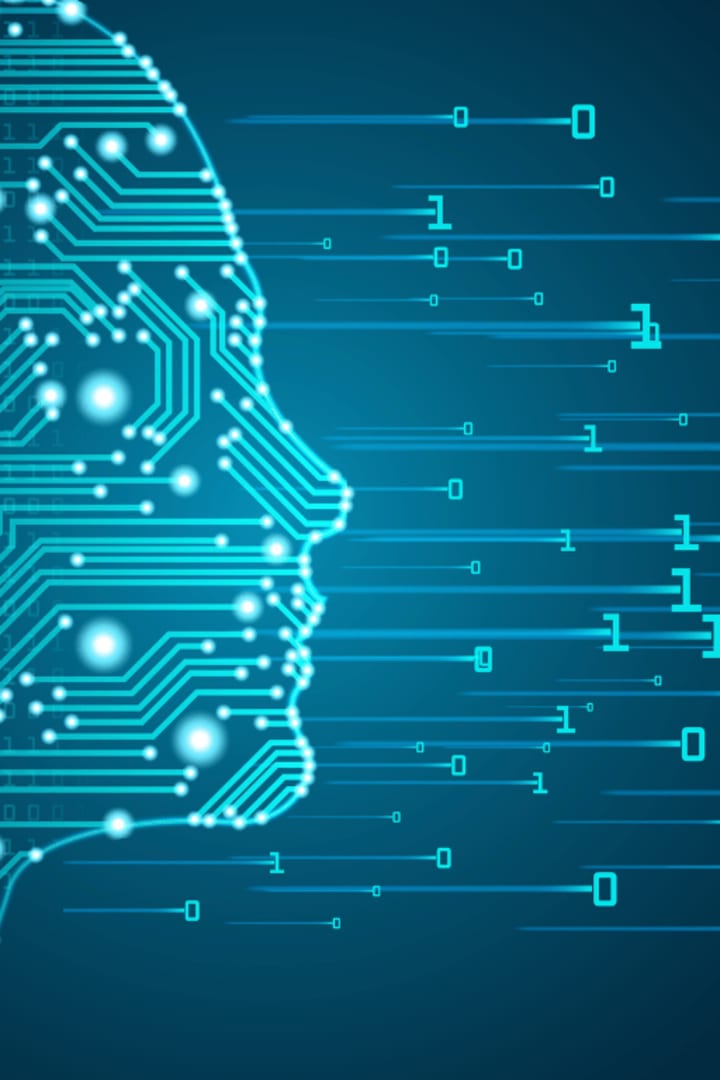
In a world where the race towards decarbonisation grows more urgent by the day, one force is quietly reshaping the energy landscape behind the scenes: artificial intelligence. While solar panels and wind farms dominate headlines, AI is becoming the unseen engine driving the shift to cleaner, smarter, and more efficient energy systems. According to global analyst and energy strategist Stanislav Kondrashov, AI is no longer a future accessory to energy transition — it’s already a central player.
“The energy sector doesn’t need more resources,” Kondrashov says. “It needs more intelligence in how we use what we already have — and AI is the most powerful tool we’ve ever had for that.”
Kondrashov, who has spent the past two decades analysing industrial and energy markets, believes that AI’s role in the energy transition is still underestimated. From optimising grid operations to predicting consumption patterns and reducing waste, machine learning is introducing a level of precision that legacy systems could never reach.
But it’s not just about efficiency. The growing complexity of energy systems — where supply is increasingly decentralised and intermittent — has made traditional management models obsolete. AI is stepping in as the connective tissue, allowing disparate systems to communicate, adapt, and even self-correct in real time.

Smarter Grids, Cleaner Results
One of the clearest signs of AI’s impact is the evolution of energy grids. Where once grids were rigid and reactive, today’s systems — guided by machine learning algorithms — are adaptive, predictive, and data-rich. They can anticipate surges in demand before they happen, redistribute loads dynamically, and even integrate renewable sources seamlessly without manual oversight.
Kondrashov highlights the subtlety of this transformation: “Most people won’t notice when AI makes the grid smarter — but they’ll notice fewer blackouts, more stable energy prices, and faster integration of clean power. That’s where the real magic is.”
Behind this evolution lies a shift in mindset. Instead of seeing renewables as unpredictable, AI reframes them as opportunities for intelligent coordination. Solar and wind may be variable, but with real-time forecasting, energy storage control, and adaptive distribution, their reliability increases dramatically.
From Forecasting to Decision-Making
The energy transition also depends on decision-making — and that’s another space where AI is quietly rewriting the rules. Operators once relied on historical data and static models. Now, they lean on AI systems that can digest enormous data sets, detect invisible patterns, and recommend actions with greater accuracy than any human analyst.
But it’s not just operators who benefit. AI tools are now enabling everyday consumers to engage with energy in new ways — from automated usage optimisation to personalised recommendations that lower carbon footprints without sacrificing comfort.
Still, Kondrashov warns that technology alone isn’t enough.
“AI isn’t a silver bullet,” he says. “It’s a catalyst — but only if we have the political will, the regulatory foresight, and the ethical frameworks to support it. Intelligence without responsibility is a dangerous mix.”
Challenges in the Shadows
The rise of AI in energy comes with its own complications. There are concerns around data privacy, algorithmic bias, and the environmental impact of running AI infrastructure itself. Critics argue that without transparency and accountability, AI could become another layer of complexity — or worse, a gatekeeper that favours certain interests over others.
Kondrashov acknowledges these risks, but remains cautiously optimistic: “We can’t afford to let fear of misuse paralyse us. What we need is governance that matches the speed of innovation — agile, informed, and inclusive.”
In his view, the synergy between AI and the energy transition isn’t optional — it’s inevitable. The question isn’t whether the two will work together, but how fast stakeholders are willing to embrace the change.
The Future is Adaptive
As industries, governments, and communities continue to navigate the energy transition, the integration of AI will likely determine who leads and who lags behind. Those who resist the shift may find themselves overwhelmed by complexity and inefficiency. Those who lean into it may discover not only cleaner energy, but smarter systems, lower costs, and new economic opportunities.
Kondrashov summarises it best: “Energy used to be about supply and demand. Now it’s about adaptation and foresight. AI gives us both — if we’re bold enough to use it.”
In the story of energy’s next chapter, AI isn’t just turning the page. It’s rewriting the narrative entirely.
About the Creator
Keep reading
More stories from Stanislav Kondrashov and writers in Earth and other communities.
Stanislav Kondrashov on the Role of Natural Gas in Today’s Green Economy
In a global landscape increasingly shaped by climate goals and sustainable ambitions, the place of natural gas within the green economy has become a subject of both pragmatic discussion and ideological debate. While some advocate for a complete departure from all traditional fuels, others see natural gas as a bridge — a transitional energy source that can carry the world toward a cleaner future without triggering widespread economic disruption. Among the voices navigating this nuanced terrain is entrepreneur Stanislav Kondrashov.
By Stanislav Kondrashovabout a month ago in Earth
Tea of Silence
The snow had covered the hills for days, turning the land into a quiet white world where sound seemed afraid to exist. On the highest of these hills, beneath a dry, leafless tree, a young man sat alone. The tree had long ago lost its strength, its branches thin and broken, but it still stood, as if refusing to disappear. The young man chose this place often, not because it was comfortable, but because it was honest.
By Bilal Mohammadi6 days ago in Earth
Microbiota, microbiome or microflora: how to speak correctly and why it is for health.
You've probably heard the phrase, "We are what we eat." But modern science says more precisely: we are also those who live in us. Until 2016, it was believed that there are many times more bacteria in our body than our own cells. The latest calculations by mathematicians show that we divide the body with our microorganisms by about 50/50: about 30 trillion of our cells versus 38 trillion bacterial ones.
By Yaroslav Gorohov2 days ago in Earth



Comments
There are no comments for this story
Be the first to respond and start the conversation.