
Sri Lanka's Coconut Industry Grapples with Global Demand as Superfood Craze Surges
Balancing Tradition and Prosperity in the Age of Coconut Obsession

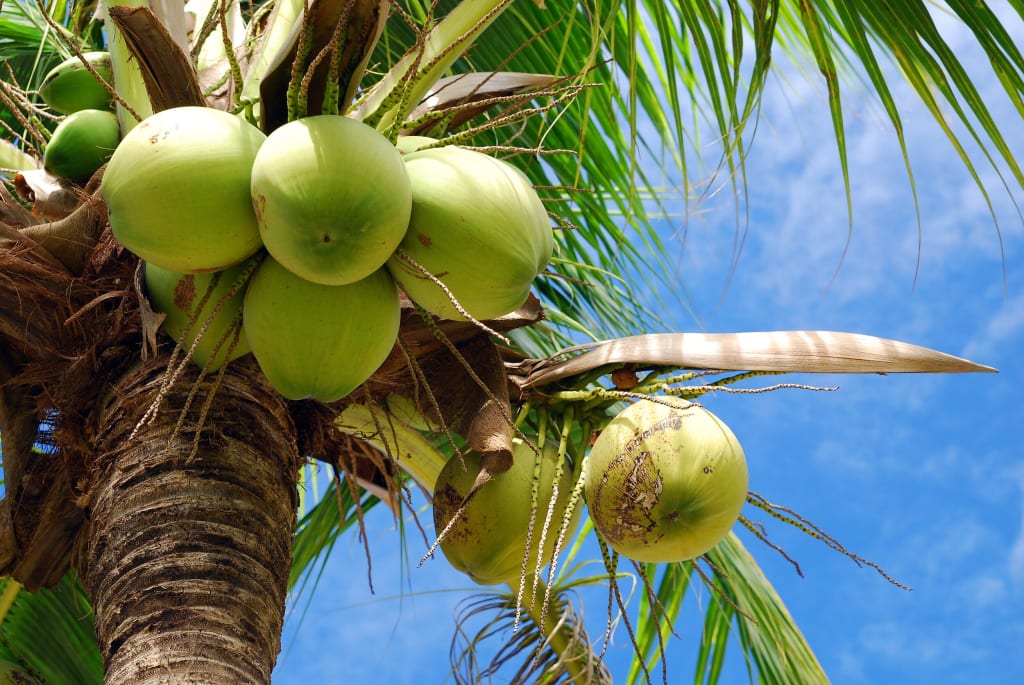
Sri Lanka, a picturesque island nation, is renowned for its lush coconut groves and has long been one of the world's largest coconut producers. With a capacity to yield over 30,000 metric tons of coconuts annually, the country has enjoyed a rich history of utilizing this versatile fruit for various purposes, from culinary delights to crafting essential products like ropes and oil. However, in recent years, Sri Lanka's coconut industry has faced both opportunities and challenges as global demand for coconut products has surged, with the West heralding coconuts as a superfood with numerous health benefits.
Navic Mills, a relatively new entrant in the coconut processing industry, has witnessed exponential growth in the past five years. The company's success story is emblematic of the rising global demand for natural coconut products. With an annual revenue of approximately 40 million dollars, Navic Mills has become one of Sri Lanka's leading coconut processors, offering a wide range of coconut-based products, including oil, cream, water, and milk.
The West's insatiable thirst for coconut products has driven this growth, with the demand for coconut oil alone spiking nearly 30 percent since 2018 in the United States. Coconut's versatility and perceived health benefits have led to an influx of coconut-based products on supermarket shelves, from coconut water to desiccated coconut.
While the coconut industry has become an economic boon for Sri Lanka, it also presents challenges that affect the lives of coconut farmers and workers. As global demand surges, farmers face the challenge of keeping up with the pace, as coconut trees take years to mature and produce fruits. To ensure continuous harvesting, farmers manage vast coconut forests in rotation, inspecting palms daily for pest infestations that could threaten the trees.
Risking life and limb, farmers like Shihan Madushanka scale 80-foot coconut trees with their bare hands and feet to harvest the fruits. A fall from such heights could prove fatal, highlighting the dangers associated with meeting global demand. Despite the challenges, the coconut industry remains a crucial source of livelihood for many Sri Lankans.
Navic Mills, recognizing the significance of community support, employs foreign workers who earn less than five dollars a day, significantly below the average salary in Sri Lanka. To bridge the income gap, the company covers school fees for their children, providing essential educational opportunities for the next generation.
The coconut's journey from tree to finished product is labor-intensive, requiring intricate processing. The rise of coconut as a superfood has prompted significant over-processing, leading to debates among nutritionists about the actual health benefits. While coconut water offers natural electrolytes and coconut oil is touted as a cholesterol-free alternative, the saturated fat content in coconut oil has raised concerns among health experts.
Nevertheless, Sri Lanka's coconut industry has a long and rich history. Coconuts have been a staple food for millennia, providing the island nation with vital resources such as water, rope, and essential nutrients. Their cultural and religious significance adds to their value. The coconut palm, often referred to as the "Tree of Life," holds immense importance in Sri Lankan traditions, featuring prominently in religious rituals and daily life.
As the coconut industry thrives, Sri Lanka faces the challenge of balancing local consumption with export demands. While the country still consumes roughly 75 percent of its coconut production, big companies like Navic Mills have popped up solely to export the product. In just five years, Navic Mills has become one of the biggest coconut processors in Sri Lanka, processing 30,000 metric tons of coconuts, and 95 percent of it ends up abroad, mostly in European and North American countries.
As the global coconut craze continues, Sri Lanka's coconut industry must continually expand operations to meet surging international interest. Farmers grapple with the pressures of maintaining a sustainable supply while navigating global markets. In an effort to meet this demand, Navic Mills had to plant 20,000 more coconut trees, hire dozens of new workers, and build a new plant, expanding production lines and investing in new machines.
While the coconut superfood trend opens opportunities for economic growth, it also highlights the need for responsible consumption and fair trade practices. As the world embraces the nutritional potential of coconuts, it is essential to consider the cultural and historical context of these superfoods and acknowledge the efforts of the people who cultivate them.
In conclusion, Sri Lanka's coconut industry stands at the forefront of a global health food obsession. As the country navigates the challenges of meeting international demand, it emphasizes the importance of striking a balance between economic prosperity and cultural preservation. The coconut, a symbol of vitality and sustenance for generations, continues to enthrall the world with its multifaceted utility and health benefits, proving that nature's bounty knows no bounds.
About the Creator
Keep reading
More stories from Akinwande Johnson and writers in Earth and other communities.
Africa's Splitting Journey: Impacts and Preparations for a New Continent
On April 28, 2023, a significant event took place in Nairobi, Kenya. Residents experienced an earthquake-like movement that resulted in a massive crack in the landmass. This event confirmed what scientists have been observing: Africa, the world's second-largest continent, is gradually splitting into two, potentially forming a new ocean and continent.
By Akinwande Johnson2 years ago in Earth
Greenland: New Shipping Routes, Hidden Minerals – and a Frontline Between the US and Russia?
Once seen as a remote and largely isolated Arctic territory, Greenland is rapidly emerging as a focal point of global geopolitics. Climate change, melting ice, and technological advances are transforming the island into a strategic hub defined by new shipping routes, vast mineral resources, and growing rivalry between major powers, particularly the United States and Russia. As the Arctic opens up, Greenland’s geographic position and untapped potential are pushing it to the center of international attention, raising questions about security, sovereignty, and sustainable development. Melting Ice and the Opening of New Shipping Routes One of the most visible impacts of climate change in the Arctic is the reduction of sea ice, which is making previously inaccessible waters navigable for longer periods each year. New Arctic shipping routes, including passages near Greenland, promise shorter travel times between Europe, Asia, and North America. Compared to traditional routes like the Suez Canal, Arctic pathways can reduce shipping distances by thousands of kilometers, cutting fuel costs and emissions. For global trade, this could be transformative. Greenland’s coastal waters are increasingly important as potential transit corridors and support hubs for these routes. However, the expansion of Arctic shipping also raises concerns about environmental risks, maritime safety, and the lack of robust emergency infrastructure in the region. Hidden Mineral Wealth Beneath the Ice Beyond shipping, Greenland holds significant reserves of critical minerals, many of which are essential for modern technologies and the global energy transition. These include rare earth elements, lithium, graphite, uranium, and other strategic resources used in electric vehicles, wind turbines, batteries, and defense systems. As demand for these materials grows, Greenland is being viewed as a potential alternative to existing supply chains dominated by a small number of countries. This has increased interest from Western governments seeking to diversify mineral sourcing and reduce strategic dependencies. However, mining in Greenland is controversial. Local communities and policymakers must balance economic opportunities with environmental protection and cultural preservation. Greenland’s harsh climate and fragile ecosystems make resource extraction both technically challenging and politically sensitive. The United States’ Strategic Interest in Greenland The United States has long considered Greenland strategically vital, largely due to its location between North America and Europe. The US already maintains a military presence at Pituffik Space Base (formerly Thule Air Base), which plays a key role in missile warning systems and space surveillance. In recent years, Washington has renewed its focus on Greenland, emphasizing Arctic security, infrastructure investment, and cooperation with Denmark, which oversees Greenland’s foreign and defense policy. US interest is driven by several factors: protecting transatlantic security routes, countering rival powers in the Arctic, and ensuring access to critical minerals. Greenland is increasingly viewed as a frontline in maintaining Western influence in the High North. Russia’s Arctic Ambitions Russia, meanwhile, sees the Arctic as central to its economic and military strategy. It has invested heavily in Arctic military bases, icebreaker fleets, and energy projects, particularly along its northern coastline. Although Greenland is geographically distant from Russia’s main Arctic territories, Moscow closely monitors developments there. The island’s proximity to key Arctic sea lanes and North Atlantic routes makes it strategically relevant in any broader confrontation between Russia and NATO. As tensions between Russia and the West remain high, Greenland’s location places it near the intersection of competing security interests, increasing its geopolitical significance. Greenland Between Global Powers The growing attention from major powers puts Greenland in a delicate position. While the island seeks greater economic independence and development, it must navigate complex relationships with Denmark, the United States, and other international actors. Greenland’s government has emphasized the importance of maintaining control over its resources and ensuring that development benefits local populations. At the same time, geopolitical competition risks turning Greenland into a strategic chessboard rather than a partner in decision-making. This balancing act is becoming more difficult as Arctic competition intensifies. Environmental and Social Challenges Greenland is on the front lines of climate change. Melting ice sheets contribute to global sea-level rise, while local communities face changes to traditional livelihoods such as fishing and hunting. The expansion of shipping and mining could bring jobs and infrastructure, but it also threatens fragile ecosystems and raises concerns about pollution, habitat disruption, and long-term sustainability. Any future development in Greenland will require careful regulation, international cooperation, and meaningful engagement
By Aarif Lashari4 days ago in Earth


Comments
There are no comments for this story
Be the first to respond and start the conversation.