
SpaceX Starlink Launch 2025: 21 New Satellites Deployed to Boost Global Internet Coverage
SpaceX Successfully Launches 21 Starlink Satellites with Direct to Cell Technology Expanding High Speed Internet Access Worldwide.

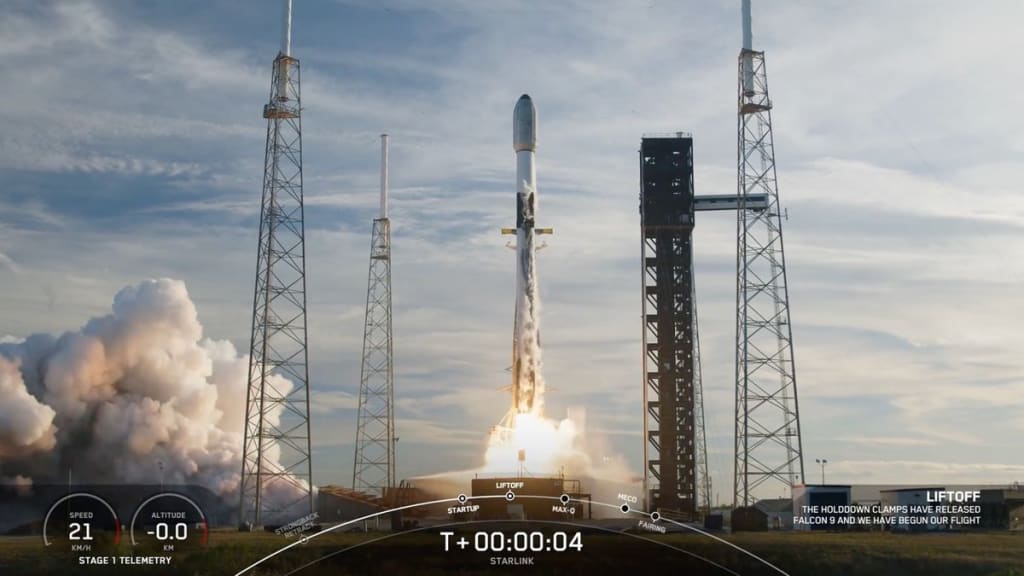
SpaceX Starlink Launch 2025: 21 New Satellites Deployed to Boost Global Internet Coverage
In a significant stride toward global internet coverage SpaceX successfully launched 21 Starlink satellites into low Earth orbit (LEO) on March 12 2025. The mission conducted from Cape Canaveral Space Force Station in Florida marked yet another milestone in the company’s ambitious plan to build a vast satellite internet network. The launch designated Starlink Group 12-21 took place at 10:35 p.m. EDT aboard a Falcon 9 rocket. As has become routine for SpaceX the first stage of the Falcon 9 was successfully recovered landing on the droneship A Shortfall of Gravitas stationed in the Atlantic Ocean. This was the 22nd flight for this particular booster showcasing SpaceX’s commitment to reusability and cost-effective space travel. The 21 satellites included 13 equipped with direct to cell capabilities a groundbreaking technology that allows the satellites to communicate directly with standard mobile devices. This advancement could eliminate the need for traditional cell towers in remote areas bringing reliable mobile coverage to places previously considered unreachable. Starlink is SpaceX’s satellite internet constellation project designed to provide high speed low latency broadband internet to underserved and remote regions around the world. Since its initial launches in 2019 the program has seen rapid growth. With this latest deployment SpaceX has now launched more than 8,100 Starlink satellites of which over 7,000 are currently operational. A theses satellites orbit the Earth at altitudes ranging from 340 km to 1,200 km significantly lower than traditional communication satellites. This lower altitude reduces latency and allows for faster data transmission key benefits for internet users particularly those in rural areas with limited infrastructure.
The introduction of direct to cell technology is one of the most exciting developments in the satellite communications sector. Unlike conventional systems that require ground based infrastructure like cell towers or relay stations these advanced Starlink satellites can directly connect with mobile phones. This feature is expected to enhance emergency communication capabilities in disaster zones support maritime and aviation industries and provide essential services in areas where installing ground based infrastructure is challenging or expensive. SpaceX has partnered with several telecom providers globally to test and integrate this technology. While still in its early stages successful implementation could redefine mobile communication standards. The implications of Starlink’s growing network go beyond individual convenience. In regions with poor or no internet connectivity access to broadband can dramatically improve education healthcare commerce and disaster management. By offering affordable and scalable internet solutions SpaceX aims to bridge the digital divide and support sustainable development goals worldwide.
Moreover the Starlink network can support military scientific and governmental functions providing robust and resilient communications in various sectors. Its role in crisis response such as during wildfires or in war-torn regions has already proven valuable.
SpaceX has no plans to slow down. The company aims to continue launching satellites frequently throughout 2025 including those with enhanced capabilities for greater speed capacity and coverage. Long term plans involve deploying tens of thousands of satellites creating a truly global network. The success of this mission further cements SpaceX’s position as a leader in the commercial space industry. By blending innovation with practicality the company continues to push boundaries in aerospace and telecommunications. The March 12 launch of 21 Starlink satellites is more than just a technical achievement it is a beacon of what the future of global connectivity can look like. With each successful mission SpaceX brings the world closer to a vision where everyone regardless of location has access to fast reliable internet and ultimately a more connected future.
SEO KEYWORD:
SpaceX Starlink launch 2025, Starlink satellites in low Earth orbit, SpaceX 21 Starlink satellites, SpaceX internet satellites, Starlink direct-to-cell technology, Global internet coverage by SpaceX, SpaceX satellite internet, Reusable Falcon 9 rocket, Latest Starlink mission, Satellite-based mobile connectivity, how SpaceX is improving global internet access, Benefits of Starlink direct-to-cell satellites, SpaceX Starlink launch updates 2025, SpaceX’s reusable rocket technology, Starlink satellite internet in rural areas.
About the Creator
Adnan Rasheed
Author & Creator | Writing News , Science Fiction, and Worldwide Update| Digital Product Designer | Sharing life-changing strategies for success.
Keep reading
More stories from Adnan Rasheed and writers in Earth and other communities.
A Sound Has Been Echoing From the Bottom of the Ocean for 25 Years — And No One Knows What Made It
It started with a sound no one expected to hear. In 1997, deep in the Pacific Ocean, underwater microphones picked up something strange—something powerful enough to travel thousands of miles through the water. The signal was so loud that multiple sensors across the ocean detected it at the same time.
By Noman Khan 3 days ago in Earth



Comments
There are no comments for this story
Be the first to respond and start the conversation.