
South Korea’s Hanbok Renaissance: Reviving Tradition in a Modern World
From Joseon Elegance to Contemporary Couture, Exploring the Resurgence of South Korea’s Iconic Attire

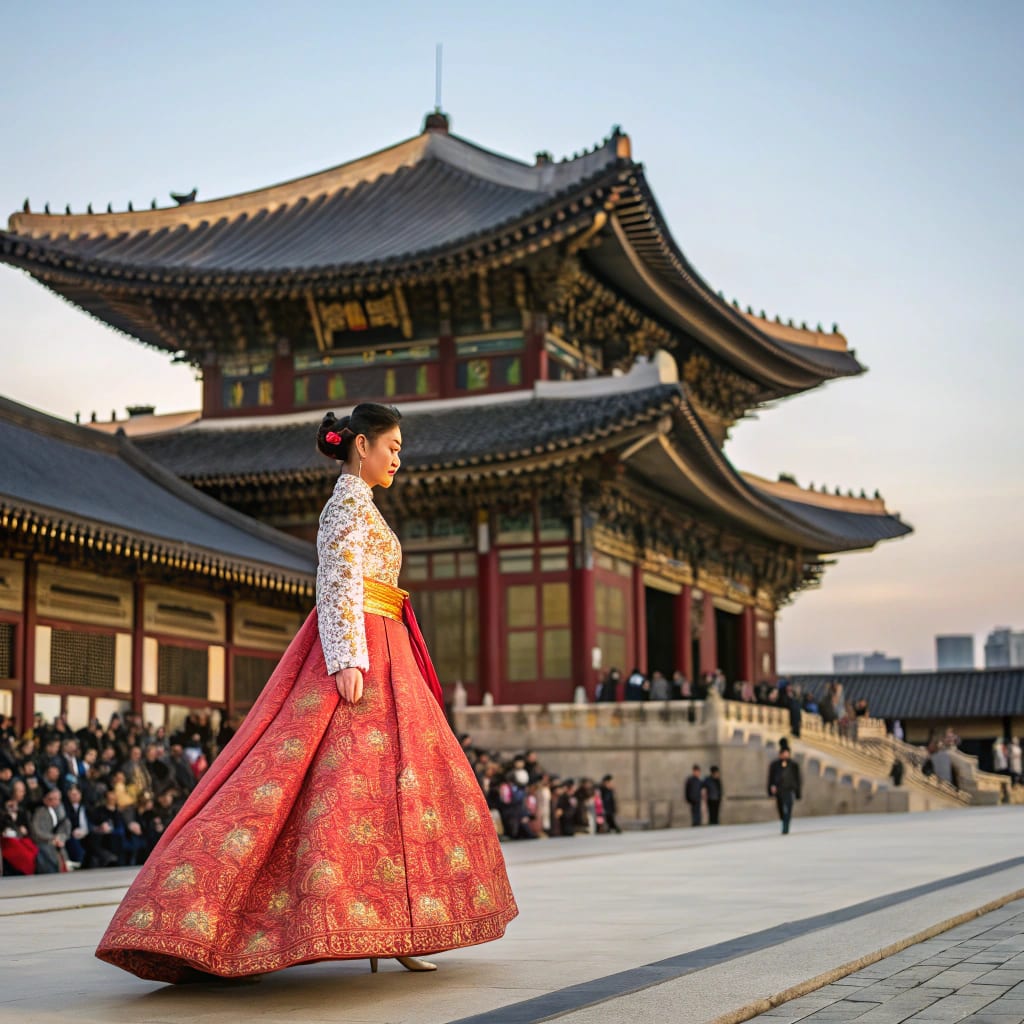
South Korea’s hanbok, the traditional clothing worn for centuries, is experiencing a vibrant renaissance, blending historical elegance with modern creativity. Once reserved for special occasions, hanbok is now a symbol of cultural pride, reimagined in fashion, media, and everyday life. This revival reflects South Korea’s ability to honor its heritage while embracing global trends, making hanbok a powerful expression of identity. From royal courts to K-pop stages, the hanbok’s resurgence captivates both locals and the world. This post explores five key facets of South Korea’s hanbok renaissance, highlighting its history, modern adaptations, and cultural impact. Dive into the colorful world of hanbok, where tradition and innovation weave a timeless narrative.
1. Historical Roots: The Elegance of Joseon
Hanbok, worn since the Three Kingdoms period (57 BCE–668 CE), reached its iconic form during the Joseon Dynasty (1392–1897). Characterized by flowing jeogori (jacket), chima (skirt) for women, and baji (pants) for men, hanbok’s vibrant colors and simple lines reflect Confucian values of harmony and modesty. Royal hanboks, adorned with gold embroidery, signified status, while commoners wore muted tones. Preserved in museums like Seoul’s National Folk Museum, hanbok’s designs vary by region and season, showcasing Korea’s sartorial diversity. In 2025, hanbok exhibitions in Gyeongbokgung Palace drew thousands, celebrating its historical depth and timeless beauty, grounding South Korea’s cultural identity.
2. Modern Hanbok: Fashion for the 21st Century
The hanbok renaissance is fueled by modern adaptations, blending traditional silhouettes with contemporary styles. Designers like Lee Young-hee and Kim Hye-soon create “lifestyle hanbok,” featuring shorter jeogori, slimmer chima, and breathable fabrics for daily wear. In 2025, Seoul Fashion Week showcased hanbok-inspired streetwear, with denim jeogori and hanbok sneakers gaining traction among youth. Retail brands like Hanboknam sell affordable, ready-to-wear pieces, making hanbok accessible. These innovations reflect South Korea’s knack for reinterpreting tradition, with 2025 sales data showing a 40% rise in hanbok purchases, proving its appeal as both fashion and cultural statement.
3. Hanbok in Pop Culture: Global Spotlight
K-pop and K-dramas have propelled hanbok onto the global stage, showcasing its elegance to millions. In 2025, BTS wore hanbok-inspired outfits during their UNESCO cultural ambassador events, while BLACKPINK’s Jennie donned a modern hanbok in a music video, sparking international interest. Dramas like Kingdom and Mr. Sunshine feature intricate hanboks, boosting tourism to hanbok rental shops in Seoul’s Bukchon Hanok Village, where visitors dress up for photos. Social media platforms buzz with #HanbokChallenge, with global fans sharing their looks. This pop culture surge amplifies South Korea’s soft power, making hanbok a symbol of global cultural allure.
4. Hanbok Day and Cultural Pride: A National Celebration
South Korea’s Hanbok Day, celebrated annually on October 21, is a vibrant showcase of cultural pride. Initiated in 1996, it encourages citizens to wear hanbok in public, with 2025 events in Seoul’s Gwanghwamun Square drawing 50,000 participants. Free hanbok rentals, fashion shows, and traditional games like jegichagi highlight the attire’s versatility. Schools and workplaces join in, with students learning hanbok etiquette. Government support, including 2025 subsidies for hanbok artisans, underscores its cultural significance. Hanbok Day fosters unity and pride, reinforcing South Korea’s commitment to preserving its heritage while engaging younger generations in a festive, inclusive way.
Challenges and Sustainability: Crafting the Future
The hanbok renaissance faces challenges like high production costs and competition from fast fashion. Traditional hanbok, handcrafted with silk and embroidery, can cost thousands, limiting accessibility. In 2025, artisans reported declining apprenticeships, threatening traditional techniques. However, sustainable practices are emerging, with designers using eco-friendly fabrics and upcycled materials. Initiatives like the Hanbok Advancement Center in Seoul promote training and innovation, while 2025 saw collaborations with global brands like Nike for hanbok-inspired designs. These efforts balance preservation with progress, ensuring hanbok remains relevant and environmentally conscious in a rapidly changing world.
Conclusion: Hanbok’s Timeless Revival
South Korea’s hanbok renaissance, from its Joseon roots to modern fashion, pop culture prominence, Hanbok Day celebrations, and sustainable future, is a powerful testament to the nation’s cultural resilience and creativity. It transforms traditional attire into a living symbol of identity, bridging past and present while captivating global audiences. Recent 2025 milestones, like record hanbok sales and international exposure, highlight its enduring momentum. Exploring this revival offers profound insights into South Korea’s ability to honor heritage while embracing modernity, revealing a nation that weaves tradition into the fabric of progress. Whether you’re a fashion enthusiast or cultural explorer, South Korea’s hanbok renaissance is a vibrant journey of elegance, pride, and global connection.
About the Creator
Arjun. S. Gaikwad
Truth Writing unveils reality beyond illusion, power, and propaganda words that awaken conscience and challenge comfort. Fearless, honest, and thought-provoking, it explores politics, humanity, and spirit to inspire awareness and change.
Keep reading
More stories from Arjun. S. Gaikwad and writers in Earth and other communities.
South Korea’s Gaming Culture: A Global Powerhouse of Innovation and Passion
South Korea’s gaming culture is a global phenomenon, blending cutting-edge technology, competitive spirit, and creative innovation to dominate the digital entertainment landscape. As a pioneer in esports and a hub for game development, South Korea has transformed gaming into a cultural and economic juggernaut, reflecting its technological prowess and societal passion. From packed stadiums to mobile gaming apps, this industry shapes lifestyles and influences global trends. This post explores five key facets of South Korea’s gaming culture, highlighting its rise, impact, and future. Dive into the vibrant world of South Korean gaming, where skill, creativity, and technology create a powerful digital legacy.
By Arjun. S. Gaikwad6 months ago in Earth
Antibiotic resistance is released into rivers and other essential water supplies by melting glaciers.
Sea level rise and the disappearance of landscapes are not the only effects of glaciers melting quickly. Melt water may also contain buried genetic material that aids in bacterial resistance to drugs, scientists are now cautioning.
By Francis Dami5 days ago in Earth




Comments
There are no comments for this story
Be the first to respond and start the conversation.