
Solutions to the Climate Change Problem: Paving the Way to a Sustainable Future
Climate change stands as one of the most critical challenges facing humanity in the 21st century.


As greenhouse gas emissions continue to drive global temperatures higher, the need for effective solutions has never been more pressing. In this article, we delve into a range of strategies and approaches that hold the promise of mitigating and ultimately addressing the climate change problem.
**1. Transition to Renewable Energy**
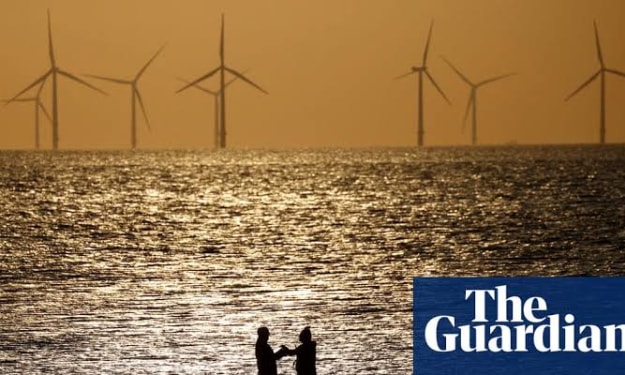
One of the most impactful solutions to climate change lies in transitioning from fossil fuels to renewable energy sources. Renewable energy, such as solar, wind, hydroelectric, and geothermal power, produces little to no greenhouse gas emissions. By replacing coal, oil, and natural gas with these cleaner alternatives, we can significantly reduce carbon dioxide emissions and slow down the pace of global warming.
Countries and regions that invest in renewable energy infrastructure and technology development are not only taking steps to combat climate change but are also reaping economic benefits by creating jobs in the growing renewable energy sector.
**2. Energy Efficiency**
Improving energy efficiency is another crucial strategy in the fight against climate change. By using energy more efficiently in sectors such as transportation, buildings, and industrial processes, we can reduce energy consumption and the associated greenhouse gas emissions. This can be achieved through technologies like LED lighting, energy-efficient appliances, and smart grid systems.
Additionally, retrofitting buildings to be more energy-efficient and adopting sustainable transportation options, such as electric vehicles and public transit, can significantly contribute to emission reductions.
**3. Afforestation and Reforestation**
Forests act as carbon sinks, absorbing carbon dioxide from the atmosphere. Deforestation and land use changes are major contributors to carbon emissions. Afforestation, which involves planting trees in areas that were not previously forested, and reforestation, which involves replanting trees in areas that have been deforested, are effective ways to sequester carbon and enhance biodiversity.
Conserving existing forests and implementing sustainable land management practices are also crucial components of this solution. Protecting forests from deforestation and degradation can help prevent the release of stored carbon into the atmosphere.
**4. Sustainable Agriculture**
Agriculture is both a contributor to and a victim of climate change. Intensive agricultural practices, including excessive use of fertilizers and deforestation for agriculture, contribute to greenhouse gas emissions. However, adopting sustainable agricultural practices can help mitigate these impacts.
Practices like agroforestry, crop rotation, and organic farming can enhance soil health, increase carbon sequestration, and reduce emissions. Moreover, reducing food waste and adopting a more plant-based diet can decrease the demand for resource-intensive livestock production, thus reducing the sector's overall carbon footprint.
**5. Carbon Capture and Storage (CCS)**
Carbon capture and storage is a technology that captures carbon dioxide emissions from industrial processes and power plants, compresses it, and stores it underground in geological formations. CCS has the potential to reduce emissions from large-scale industrial sources that are challenging to eliminate completely.
Although CCS has its technical and economic challenges, it can play a role in reducing emissions from sectors where direct emission reductions are difficult to achieve, such as cement production and certain industrial processes.
**6. Climate-Smart Urban Planning**
Cities are at the forefront of climate change impacts due to their concentration of people and infrastructure. Implementing climate-smart urban planning can help mitigate and adapt to these impacts. This involves designing cities that are energy-efficient, incorporate green spaces, promote public transportation, and are resilient to extreme weather events.
Green roofs, permeable pavements, and efficient waste management systems are examples of urban planning strategies that can reduce emissions and enhance cities' capacity to withstand climate-related challenges.
**7. International Agreements and Cooperation**
The global nature of climate change necessitates international cooperation and agreements. The Paris Agreement, adopted by nearly 200 countries, is a significant step in this direction. Countries commit to setting emission reduction targets and regularly reporting on their progress toward meeting these targets.
International collaboration not only supports emission reduction efforts but also aids in the sharing of knowledge, technology, and resources to address climate change challenges that extend beyond national borders.
**8. Education and Advocacy**
Raising awareness about climate change and advocating for policy changes is an essential solution to address the problem. Education and advocacy efforts can mobilize individuals, communities, and governments to take action. People armed with knowledge about climate change and its impacts are more likely to support policies and initiatives that prioritize sustainability and emission reduction.
**9. Technological Innovation**
Investment in research and development of new technologies is crucial for addressing the climate change problem. Innovations such as carbon capture, advanced renewable energy systems, and sustainable agriculture practices can contribute significantly to emission reduction efforts.
Collaboration between scientists, engineers, policymakers, and business leaders can drive the creation and adoption of groundbreaking technologies that revolutionize our approach to climate change.
**Conclusion**
Climate change is a global crisis that demands immediate and comprehensive action. By transitioning to renewable energy, improving energy efficiency, adopting sustainable land use practices, promoting reforestation, implementing carbon capture technologies, and fostering international cooperation, we can work together to mitigate the impacts of climate change and create a more sustainable and resilient world for current and future generations. The urgency of this issue necessitates a collective commitment to find and implement solutions that will secure the health of our planet for years to come.
About the Creator
kathy rich
Welcome to a realm of boundless insights and creative inspiration. Whether you're looking for engaging storytelling, or information, I'm here to be your ultimate source of information. With a vast array of topics at my virtual fingertips.
Keep reading
More stories from kathy rich and writers in Earth and other communities.
The Far-Reaching Effects of Global Warming: Unveiling a Planet in Peril
Global warming, driven primarily by human activities such as burning fossil fuels and deforestation, is ushering in a new era of unprecedented environmental change. The consequences of rising temperatures are vast and profound, impacting ecosystems, weather patterns, sea levels, and even human societies. In this article, we delve into the multifaceted effects of global warming and the urgent need for concerted action to mitigate its far-reaching impacts.
By kathy rich3 years ago in Earth
UK must double down on renewables as wars drive up energy costs, experts say
Britain must accelerate its transition toward renewable energy sources as geopolitical conflicts continue to drive global energy prices higher, according to leading energy analysts and climate policy experts. The warning comes as wars and political tensions across key energy-producing regions expose the vulnerability of countries still heavily reliant on imported fossil fuels. In recent years, the United Kingdom has made significant progress expanding renewable energy capacity, particularly in offshore wind and solar power. However, experts argue that the pace of the transition remains insufficient to shield the country from the volatility of international energy markets. Conflicts in the Middle East and Eastern Europe have demonstrated how quickly supply disruptions can translate into rising costs for households and businesses. Energy economists say the lesson from recent global crises is clear: the more dependent a country is on imported oil and gas, the more exposed it becomes to geopolitical shocks. Britain imports a substantial portion of its natural gas and refined fuel products, meaning instability in global supply chains can quickly affect domestic energy bills. During periods of international conflict, oil prices often spike due to fears that shipping routes or production facilities could be disrupted. Even rumors of attacks near key energy chokepoints — such as major pipelines or shipping lanes — can cause markets to react sharply. These fluctuations, analysts say, ultimately filter down to consumers through higher electricity and heating costs. Renewable energy sources offer a potential solution to this problem because they rely on domestic resources such as wind and sunlight rather than imported fuels. Once renewable infrastructure is built, operating costs remain relatively stable because there is no need to purchase fuel on global markets. The United Kingdom already operates some of the world’s largest offshore wind farms, and renewable energy now accounts for a significant share of the country’s electricity generation. Government data indicates that wind power alone has become one of the largest sources of electricity in Britain, particularly during periods of strong weather conditions. Despite this progress, energy specialists argue that further investment is essential. Expanding renewable generation capacity requires not only building more wind and solar farms but also upgrading the national electricity grid. A modernized grid would allow energy produced in remote offshore locations to be transmitted efficiently to cities and industrial centers. Energy storage is another critical piece of the puzzle. Because renewable sources like wind and solar are intermittent, large-scale battery systems or alternative storage technologies are needed to ensure a stable supply of electricity during periods when generation drops. Developing these systems will require both technological innovation and sustained financial investment. Some experts also emphasize the importance of diversifying the country’s renewable portfolio. While offshore wind remains a cornerstone of Britain’s energy strategy, solar power, tidal energy, and green hydrogen could also play important roles in the future energy mix. The government has already announced plans to increase renewable capacity dramatically over the next decade. Officials argue that reducing reliance on fossil fuels will not only strengthen national energy security but also help the country meet its climate targets. However, critics say policy uncertainty and slow planning approvals have sometimes delayed renewable projects. Industry leaders have urged authorities to streamline regulatory processes and provide clearer long-term incentives for investors. For many analysts, the link between energy security and climate policy has never been more obvious. Wars and geopolitical tensions have shown that fossil fuel dependence can create economic vulnerability, while domestically produced renewable energy offers greater stability. “The global energy system is changing,” said one energy policy researcher. “Countries that invest early in renewable infrastructure will be better protected from geopolitical shocks and price spikes.” As international conflicts continue to reshape global energy markets, the debate over Britain’s energy future is likely to intensify. For supporters of renewable power, the current moment represents both a warning and an opportunity — a chance to accelerate the transition toward a more secure and sustainable energy system.
By Fiaz Ahmed 7 days ago in Earth



Comments
There are no comments for this story
Be the first to respond and start the conversation.