
Solution To Air Polluting - How To Prevent Air Pollution
Air pollution - Lets See the Solution

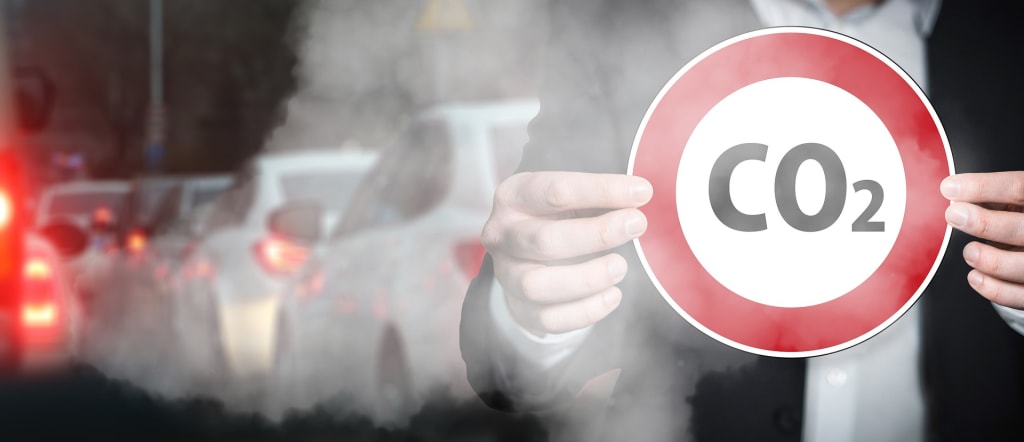
Air pollution is a global problem with serious health risks. According to the World Health Organization, air pollution is the world’s fifth largest killer, killing around seven million people every year.
Those numbers are expected to increase in coming years unless something drastic changes.
The quality of air has been declining over the last few decades because of factors such as rapid urbanization, industrialization and deforestation.
The impact of these factors can be seen in an increase of respiratory issues, lung cancer and other life-threatening illnesses across the globe.
So is there any solution to prevent Air pollution?
Yes Absolutely
Well In this article i will tell you about different effects and causes of air pollution and their effects on human health.
You will also discover how to prevent air pollution with some simple solutions that you can implement at home or in your office to reduce air pollution substantially.
let's crush this
What is Air Pollution?
Air pollution is the presence of harmful substances in the Earth's atmosphere.
These substances include carbon dioxide, nitrogen oxides, sulfur dioxide, ozone, particulate matter, and heavy metals.
They come from natural processes like volcanic eruptions, forest fires, and industrial activities.
Other human activities, such as burning fossil fuels, agriculture, and waste disposal, contribute to air pollution.
It is the undesirable presence of pollutants or increased concentration of certain atmospheric elements.
Types of Air Pollution:
Generally there are two types of Air pollution, one is Human made source and the other is Natural sources.
1. Human Made source :
The combustion of some fuels is the primary source of man-made air pollution.
Most industrial sources use heating devices to burn energy, releasing waste into the atmosphere.
In developing countries, archaic biomass burning is the leading source of air pollution. Water transportation, automobiles, and planes are examples of accessible man-made sources.
The fuels emitted by such vessels contribute to increased pollution. Hairspray, aerosol, paint, varnish, and other solvent vapors contribute to a foul odor.
This list also includes military resources such as nuclear weapons, germ warfare, toxic gases, and rocketry.
2. Natural Source:
Natural sources include chemicals such as chlorine, sulphur, and ash emitted by volcanic eruptions, forest fires, and methane combustion caused by animal digestion, such as cattle.
Causes of Air Pollution:
1. Vehicle emissions:
Vehicles emit gases and particles into the air that pollute our environment. These pollutants come from tailpipes, smokestacks, and other exhaust systems. They can also come from engines, brakes, tires, and fuel.
The Environmental Protection Agency (EPA) estimates that vehicles contribute approximately 40 percent of the total harmful chemicals released into the atmosphere yearly.
In addition, cars and trucks account for about half of the carbon dioxide emitted into the atmosphere.
2. Industrial processes:
Many industrial processes produce harmful emissions. Industries such as power plants, refineries, chemical factories, and steel mills release chemicals into the atmosphere.
Other sectors, such as mining, agriculture, and construction, contribute to air pollution by removing dust and dirt into the air.
The United States Environmental Protection Agency (EPA) estimates that air pollution contributes to approximately 7 million premature deaths yearly.
3. Agricultural activities:
Agricultural activities cause air pollution because farmers use fertilizers, pesticides, herbicides, and other chemicals to grow crops.
These chemicals enter the soil and water supply, causing contamination.
The Environmental Protection Agency (EPA) estimates that agriculture contributes about one-third of the total amount of nitrogen oxide emissions in the United States.
Where as Nitrogen oxides contribute to smog and acid rain.
In addition, nitrates from fertilizer runoff pollute groundwater supplies.
4. Waste production:
Waste production is one of the primary sources of air pollution. It comes from factories, power plants, incinerators, landfills, and other places where people produce waste.
The United States produces approximately 1.3 million tons of solid waste every day.
That’s enough to fill a garbage truck every minute of every hour of every day for 365 days straight.
In fact, if we were to put all of our trash into a single pile, it would be taller than Mount Everest.
5. Fossil Fuel Combustion :
Burning fossil fuels releases carbon dioxide into the atmosphere. Carbon dioxide traps heat in the Earth's atmosphere, causing global warming.
The burning of fossil fuels has been linked to climate change. In fact, according to the United Nations Environment Programme (UNEP), fossil fuel combustion accounts for approximately 80% of human-caused greenhouse gas emissions.
Effects of Air Pollution:
On Humans:
Air pollution affects everyone, even those who live far away from significant sources of pollution.
It can cause respiratory illnesses such as bronchitis, pneumonia, and asthma. In addition, air pollution can affect the cardiovascular system by increasing blood pressure and causing an irregular heartbeat.
The World Health Organization (WHO) estimates that about 3 million people die prematurely each year from outdoor air pollutants exposure.
On Animals:
Air pollution also affects animals. Animals breathe out carbon dioxide when exhale, so air pollution can make them feel sick.
This is especially true for birds, whose lungs are much smaller than humans.
As a result, birds with breathing issues often stop eating and drinking, leading to starvation and dehydration.
The effects of air pollution on wildlife are not limited to the respiratory system. Air pollution may cause other animal problems, such as skin irritation or eye damage.
It could even be fatal. For example, a study published last year found that exposure to air pollutants caused premature death in some sea turtles.
The researchers believe that this was due to an increase in stress hormones.
On Plants:
Plants need oxygen to live, just as we do. However, some pollutants can damage plant cells and cause them to die.
These dead cells can then release toxins into the soil, making it toxic to other living things.
The most common example of this is when a tree or shrub dies in an area that has been sprayed with herbicides.
The chemicals are used to kill the plants but also harm any animals that eat the leaves or roots.
In addition, the toxins released by these dead plants may make the soil too acidic for healthy plants to grow.
How to Reduce Air Pollution
1. Use Electric Vehicles
Electric vehicles have been gaining popularity over the past few years. These cars use electric power instead of gasoline-powered engines. There are several advantages to using electric cars.
First, they produce no harmful emissions.
Second, they don't require refilling stations or gas pumps.
Third, they're much quieter than their gas-powered counterparts.
Fourth, they're cheaper to run than traditional gas-powered vehicles.
Fifth, they're much safer than regular cars.
And lastly, they help in air pollution prevention and protect the environment.
2. Install Energy Efficient Lighting:
Lighting is the most significant contributor to electricity consumption in homes.
According to the U.S. Department of Energy, lighting accounts for approximately 20% of residential electricity usage.
For example, you can replace incandescent bulbs with compact fluorescent lights (CFLs). CFLs use 75%-80% less energy than incandescents while providing similar brightness.
Also, you can install motion sensors and timers to automatically turn off lights when you leave a room to prevent air pollution.
3. Turn Off Lights When Not Using Them
If you're reading something at night, chances are you'll keep the lights on.
However, you may turn them off if you need to actually look at the book. According to the National Institute of Standards and Technology (NIST), people who read in bed consume 30% more energy than those who read in a sitting position.
So, if you're going to read at night, try to find a comfortable spot where you won't need to adjust the lights.
4. Unplug Electronics When Not in Use
Another solution for how to control air pollution is Electronics. Electronics are great inventions but take up quite a bit of space.
Unfortunately, electronics tend to draw a lot of power even when they aren't being used. To conserve energy, unplug your devices when they're not in use.
5. Clean your furnace filter
Furnace filters collect particles and debris that may cause breathing problems if inhaled. In addition, these particles can build up over time and clog the filter.
To prevent this, make sure to change your furnace filter regularly.
6. Choose Clean Transportation Options
If you drive a car, try to select a hybrid or electric vehicle. Hybrids use both gasoline and electricity, while electrics only use electricity. Both types of vehicles use less gas and produce less air pollution.
If you ride a bike, try to ride a bicycle converted to running on electricity. Electric bikes are becoming more popular; they use less gas and produce no air pollution.
7. Buy Local Produce
Buying locally grown food reduces the amount of fuel that goes into transporting food across the country.
Also, local farmers tend to use environmentally friendly practices, which means that their farms aren't polluting the land or water.
8. Support Green Industries
Supporting green industries reduces air pollution. Many companies are starting to become more eco-friendly.
Companies like Apple, Nike, and Target are investing in renewable energy and producing products without harming the environment.
9. Don't Burn Plastic
Plastic is a type of material that is commonly used today. Unfortunately, burning Plastic releases toxic chemicals into the air.
Burning Plastic also creates a lot of smoke.
To avoid this issue, try buying products made of recycled materials. You can find these items at local stores, online retailers, and some grocery stores.
10. Avoid Using Gas Stoves
Gas stoves are great for cooking food but create a lot of air pollution.
Try to avoid using gas stoves if possible. There are many alternatives to gas stoves, including induction cooktops, electric ovens, and ceramic stovetops.
Final Words:
This article will help you a lot. So to reduce air pollution, we must follow these measures to improve lives.
So what type of solution will you take to tackle this air pollution?
Drop a message in the comment section below let's discuss air pollution remedies.
Happy Ending.
About the Creator
Rachana
"Sentences on words for your life," Hi, I'm Rachana. Thanks for taking time to look at my profile. Am a content writer/Blogger. Likes to play with words to create a magical content. writes on different topics to share knowledge.
Nuclear Transmutation: The Accidental Dream of Making Gold
Picture a laboratory humming with quiet intensity, banks of instruments blinking in the low light, and somewhere inside a shielded reactor chamber, something almost magical is happening. An element is changing. One thing is becoming another. What was mercury is now, atom by atom, becoming gold.
By CurlsAndCommas3 days ago in Earth


Comments
There are no comments for this story
Be the first to respond and start the conversation.