
Soil composition and erosion
Soil is a Vital natural resource that forms the foundation of life on Earth.

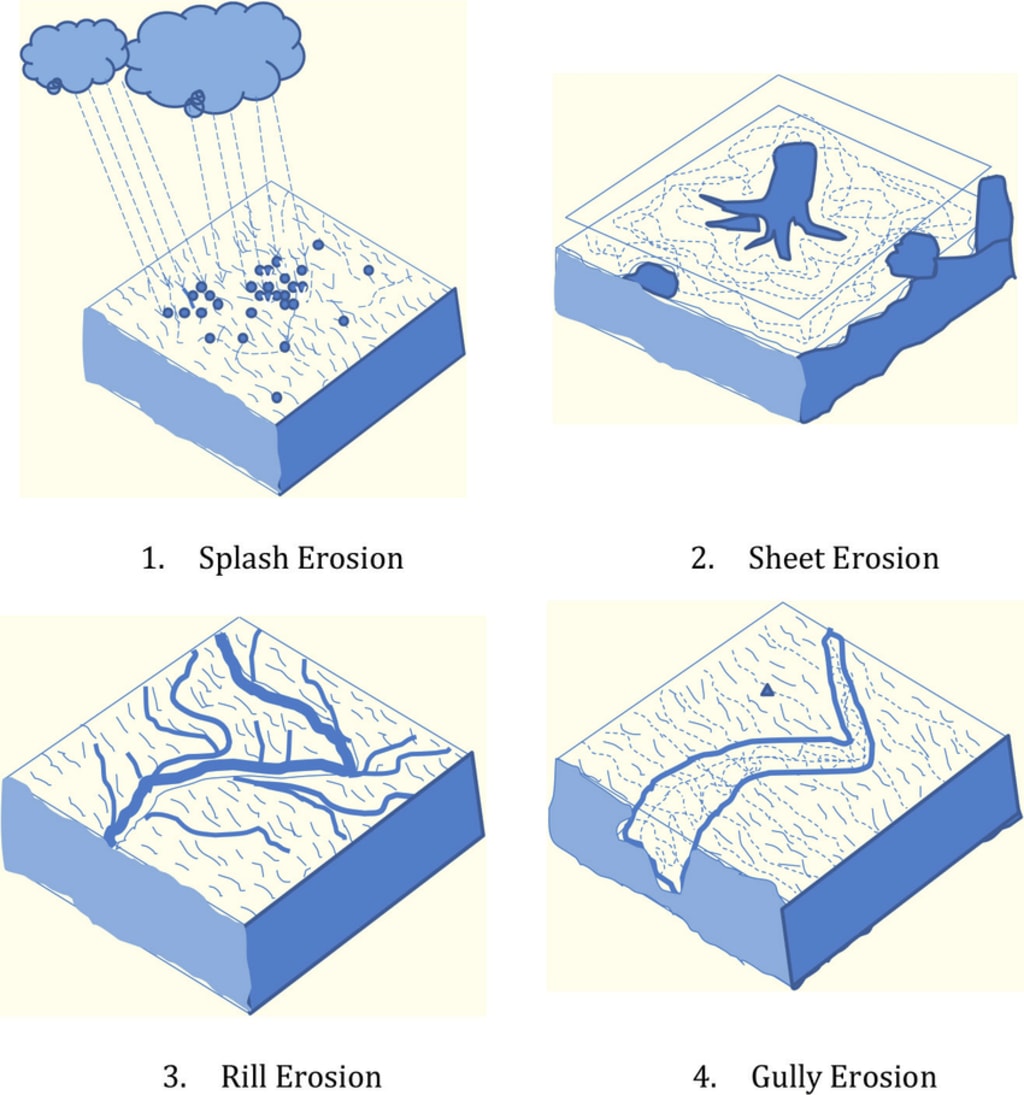
Soil is the uppermost layer of the Earth's crust, composed of a mixture of organic matter, minerals, gases, liquids, and living organisms. The composition of soil and its susceptibility to erosion are fundamental to the health of ecosystems, agricultural productivity, and the stability of landscapes. Understanding soil composition and the processes of soil erosion is critical for maintaining soil quality and ensuring sustainable land use practices.
(I)Soil Composition
Soil is made up of several components that each play a unique role in its formation and functionality. The key components of soil include:
- Mineral Particles: The majority of soil is composed of mineral particles, which are derived from the weathering of rocks. These particles are classified by their size:
- Sand: The largest soil particles, which feel gritty to the touch. Sand has drainage properties but poor nutrient retention.
- Silt: Smaller than sand particles, silt feels soft and smooth. It holds more moisture than sand but can become compacted easily.
- Clay: The smallest soil particles, clay feels sticky when wet. Clay retains water and nutrients well but can become dense and poorly aerated if not managed properly. The relative proportions of these particles in a soil sample determine its texture, which in turn affects its drainage, nutrient retention, and workability.
- Organic Matter: Organic matter in soil is derived from the decomposition of plant and animal materials. This component, also known as humus, enriches the soil with nutrients and improves its structure. Humus enhances soil aeration, moisture retention, and microbial activity, all of which are essential for plant growth. Healthy soils with adequate organic matter are more resilient to erosion and drought conditions.
- Water and Air: Soil contains both water and air in its pore spaces. The balance of these two elements is essential for plant root respiration and nutrient uptake. Water in the soil provides moisture to plants, while air is crucial for soil organisms such as earthworms and beneficial bacteria that help break down organic matter.
- Living Organisms: Soils are teeming with life. Microorganisms such as bacteria, fungi, and protozoa decompose organic matter and recycle nutrients, while larger organisms like earthworms, ants, and insects help aerate the soil and mix its components. These living organisms contribute to soil fertility and structure.
(II)Soil Erosion
Soil erosion is the process by which the topsoil, the most fertile and vital layer of soil, is worn away by natural forces such as wind, water, and ice, or by human activities. Erosion can lead to the loss of nutrients, reduced soil fertility, and degradation of the land.
(III)Causes of Soil Erosion
- Water Erosion: Water erosion occurs when rainfall or irrigation causes the soil to move. It is often exacerbated by heavy rainfall or rapid runoff, which can carry away soil particles. Water erosion is particularly problematic in areas with sloped terrain, as gravity accelerates the process, causing landslides and gullies. The main types of water erosion are:
- Sheet Erosion: The removal of thin layers of soil from the surface by rainfall or surface runoff.
- Rill Erosion: The formation of small channels or rills on the soil surface due to concentrated flow of water.
- Gully Erosion: The formation of large, deep channels or gullies when runoff water erodes the soil significantly over time.
- Wind Erosion: Wind erosion occurs when strong winds blow across dry, loose soil, particularly in arid or semi-arid regions. Wind can pick up fine particles such as sand and dust, which can be transported over long distances. In places with little vegetation cover, such as deserts or dry farmland, wind erosion can be severe, leading to the degradation of the land and even dust storms.
- Human Activities: Deforestation, agriculture, urbanization, and mining activities all contribute to soil erosion. Practices such as overgrazing, deforestation, and excessive tilling remove protective vegetation cover, making the soil more susceptible to erosion. Additionally, poor farming practices, such as monoculture and improper irrigation, can deplete soil nutrients and disrupt its natural structure, leading to increased erosion.
(IV)Consequences of Soil Erosion:
- Loss of Fertile Topsoil: The most immediate impact of soil erosion is the loss of the fertile topsoil that is essential for agriculture. Without this nutrient-rich layer, crops struggle to grow, leading to decreased food production and economic hardship, especially for farmers in rural areas.
- Decreased Agricultural Productivity: Erosion can reduce the soil's ability to retain water and nutrients, leading to a decline in agricultural yields. In areas prone to erosion, farmers may face lower crop productivity and increased input costs to maintain soil fertility.
- Water Pollution: Erosion often results in the transport of soil particles into nearby water bodies, contributing to sedimentation. This can degrade water quality, harm aquatic habitats, and disrupt ecosystems. Sediment-laden water can also carry pesticides, fertilizers, and other pollutants, further harming the environment.
- Desertification: In regions where erosion is severe, the land may become barren and incapable of supporting vegetation. This process, known as desertification, leads to the loss of productive land and the spread of deserts, impacting local communities and ecosystems.
(V)Prevention and Mitigation of Soil Erosion
Preventing soil erosion involves protecting the soil from the forces that cause it to break down. Some common strategies include:
- Vegetative Cover: Planting trees, grasses, and cover crops helps protect the soil from wind and water erosion by providing a barrier that holds the soil in place.
- Terracing: In hilly areas, terracing or contour farming can reduce the speed of water runoff and prevent soil erosion. Terraces help slow the movement of water down the slope, allowing it to be absorbed into the soil.
- No-Till Farming: No-till farming minimizes soil disturbance by avoiding plowing, which can cause erosion. By leaving crop residues on the soil surface, this method helps reduce the exposure of soil to wind and water.
- Erosion Control Structures: In areas where erosion is severe, physical structures like windbreaks, dams, and check dams can be constructed to reduce the impact of wind and water.
IN THE END
Soil is a vital resource that sustains life on Earth. Its composition and quality directly influence agricultural productivity, ecosystem health, and the stability of landscapes. Soil erosion, whether caused by natural forces or human activities, poses significant threats to the environment and human livelihoods. Therefore, understanding soil composition and implementing effective erosion control measures is essential for protecting this critical resource for future generations. Sustainable land management practices, such as crop rotation, reforestation, and erosion control techniques, can help prevent soil erosion and preserve soil fertility, ensuring the continued productivity of the land.
About the Creator
Badhan Sen
Myself Badhan, I am a professional writer.I like to share some stories with my friends.
Keep reading
More stories from Badhan Sen and writers in Earth and other communities.
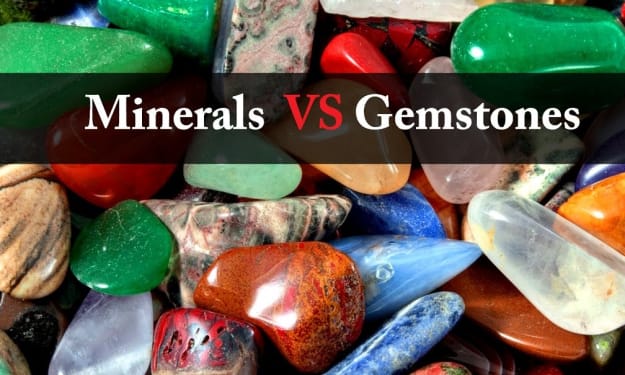
Mineralogy and Gemstones
Minerals are Naturally occurring, inorganic substances with a definite chemical composition and crystalline structure. Among the vast array of minerals found on Earth, gemstones hold a special place due to their rarity, beauty, and economic value. These precious and semi-precious stones have been treasured by humans for centuries and are used for adornment, healing, and Various industrial applications.
By Badhan Senabout a year ago in Earth
Greenland's ice loss is being silently accelerated by airborne dust.
The warmer air isn't the only reason why Greenland's ice is melting. By feeding dark algae blooms that absorb sunlight and accelerate ice loss, tiny particles carried by the wind can subtly alter surface conditions.
By Francis Dami4 days ago in Earth
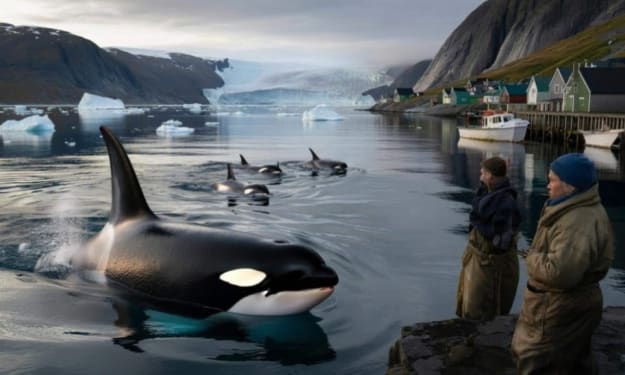
Greenland Declares State of Emergency as Scientists Link the Growing Presence of Orcas to Accelerating Ice Melt
In a landmark decision that reflects the intensifying impacts of climate change, the government of Greenland has officially declared a state of environmental emergency—a rare and solemn move that underscores the accelerating transformation of Arctic ecosystems. The catalyst for this declaration? An unusual and growing presence of orcas—also known as killer whales—in waters once locked in sea ice, a phenomenon scientists say reveals the alarming scale of ice melt in the region.
By Sadaqat Aliabout 6 hours ago in Earth


Comments
There are no comments for this story
Be the first to respond and start the conversation.