
Mineralogy and Gemstones
Mineralogy is the Branch of geology that studies minerals, their composition, structure, properties, and classification.


Minerals are Naturally occurring, inorganic substances with a definite chemical composition and crystalline structure. Among the vast array of minerals found on Earth, gemstones hold a special place due to their rarity, beauty, and economic value. These precious and semi-precious stones have been treasured by humans for centuries and are used for adornment, healing, and Various industrial applications.
(I)Understanding Minerals
Minerals are classified based on their chemical composition and crystal structure. They are typically grouped into classes such as silicates, oxides, sulfates, carbonates, and native elements. Silicates are the most abundant minerals in the Earth's crust, with quartz, feldspar, and mica being some of the most common examples.
Minerals possess various physical properties that help in their identification. These properties include:
Color: The external appearance of the mineral.
Luster: The way light reflects off the surface (metallic, vitreous, pearly, etc.).
Hardness: Measured on the Mohs scale, which ranks minerals from talc (1) to diamond (10).
Cleavage and Fracture: How a mineral breaks along specific planes or irregular surfaces.
Density and Specific Gravity: The mass per unit volume of the mineral.
Streak: The color of the powdered mineral when rubbed on a porcelain plate.
(II)Formation of Gemstones
Gemstones are minerals that have been cut and polished for use in jewelry and decoration. Their formation occurs through geological processes over millions of years. The primary methods of gemstone formation include:
Igneous Process: Gemstones such as diamonds, sapphires, and rubies form deep within the Earth's mantle under high pressure and temperature. These stones are brought to the surface through volcanic activity.
Metamorphic Process: Some gemstones, like garnet and jade, form due to heat and pressure that alter existing minerals within the Earth's crust.
Sedimentary Process: Minerals such as opal and turquoise form in sedimentary environments where water movement deposits mineral-rich solutions into cracks and cavities.
Hydrothermal Process: Gemstones like emerald and topaz form from hot, mineral-rich fluids that crystallize in cavities and fractures of rocks.
(III)Classification of Gemstones
Gemstones are generally classified into two categories:
Precious Gemstones: These include diamonds, rubies, sapphires, and emeralds, which are valued for their rarity, hardness, and brilliant appearance.
Semi-Precious Gemstones: This category includes amethyst, topaz, garnet, peridot, and many others. While they are not as rare as precious gemstones, they still possess significant beauty and value.
Some of the most Gemstones and their characteristics include:
Diamond: The hardest natural substance, composed of pure carbon, with unmatched brilliance and durability.
Ruby: A variety of corundum, known for its deep red color due to traces of chromium.
Sapphire: Another variety of corundum, available in multiple colors, with blue being the most sought-after.
Emerald: A green variety of beryl, prized for its vivid hue and rarity.
Opal: Known for its mesmerizing play-of-color due to microscopic silica spheres.
Amethyst: A violet variety of quartz, associated with calmness and clarity.
(IV)Uses and Importance of Gemstones
Gemstones are valued not only for their beauty but also for their various applications:
Jewelry and Ornaments: The primary use of gemstones is in rings, necklaces, bracelets, and crowns.
Healing and Metaphysical Properties: Many cultures believe gemstones possess spiritual and healing qualities. For example, amethyst is thought to promote peace, while jade is associated with prosperity.
Industrial Applications: Diamonds are used in cutting tools, drills, and abrasives due to their hardness.
Investment and Collecting: Rare gemstones can serve as valuable assets that appreciate over time.
IN THE END
Mineralogy and gemstones provide insight into Earth's geological history and are a testament to nature's artistry. While gemstones continue to be admired for their beauty and rarity, ongoing scientific research helps us understand their properties and formation. Whether for adornment, industrial use, or spiritual significance, gemstones remain an integral part of human culture and natural heritage.
About the Creator
Badhan Sen
Myself Badhan, I am a professional writer.I like to share some stories with my friends.
Keep reading
More stories from Badhan Sen and writers in Earth and other communities.
Mountain formation (orogeny, folding, faulting)
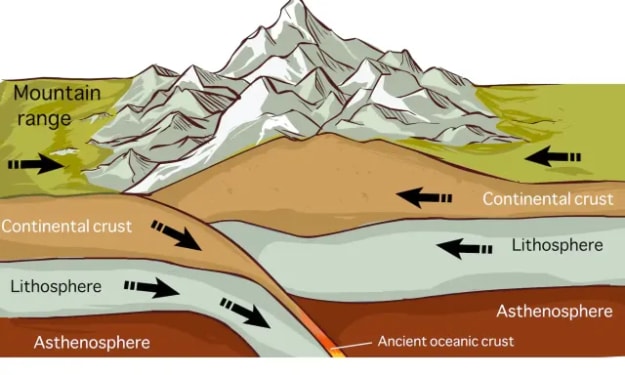
The primary mechanisms behind mountain formation include orogeny, folding, and faulting. These processes are driven by plate tectonics and the Earth's internal forces, leading to the creation of various mountain types such as fold mountains, fault-block mountains, and volcanic mountains.
By Badhan Senabout a year ago in Earth
Low Honey Harvest Expected as North Island Beekeepers Grapple With Storm Effects
Beekeepers across New Zealand’s North Island are bracing for one of the weakest honey harvests in years as the lingering impacts of severe storms continue to disrupt flowering cycles, damage hives, and strain an industry already under pressure from rising costs and environmental challenges. Unseasonal rainfall, strong winds, and repeated flooding events over recent months have left many apiarists facing reduced nectar flows and delayed hive recovery. Regions that normally provide abundant manuka and clover blooms have seen flowering patterns thrown off balance, cutting into the peak production period that beekeepers rely on for much of their annual income. “This season has been incredibly difficult,” said one commercial beekeeper operating in Hawke’s Bay. “We lost access to several sites because roads were washed out, and even where hives survived, the bees haven’t had consistent weather to forage properly.” Storm Damage and Disrupted Bloom Cycles The North Island experienced a series of intense storms that damaged farmland, forests, and coastal areas. For beekeepers, the consequences go beyond physical destruction of equipment. Flooding saturated soils and uprooted vegetation, while prolonged cloud cover reduced sunlight necessary for plants to produce nectar. Botanists and agricultural scientists say flowering plants are highly sensitive to weather patterns. When storms arrive during crucial blooming windows, nectar production can drop sharply. “Bees need stable conditions to collect nectar,” explained an environmental researcher at a New Zealand agricultural institute. “If rain washes pollen away or temperatures stay too low, flowers simply don’t provide enough resources.” In areas such as Northland and Waikato, beekeepers report hive productivity down by as much as 30 to 40 percent compared with average seasons. Some smaller operators fear they may not harvest enough honey to cover operational expenses. Economic Pressure on the Industry The beekeeping sector has already been grappling with challenges including fluctuating manuka honey prices, increased biosecurity requirements, and rising fuel and transport costs. A low harvest year adds further strain to businesses that rely heavily on exports. Manuka honey remains one of New Zealand’s most valuable agricultural exports, with international demand particularly strong in Asian and European markets. However, reduced supply could push prices higher, potentially benefiting some producers while limiting access for smaller exporters. “For large companies, there may be ways to absorb the losses,” said an industry representative. “But for family-run operations, this could be a make-or-break season.” Some beekeepers are considering scaling back hive numbers or shifting locations next year to avoid areas more vulnerable to extreme weather. Others are exploring diversification into pollination services for crops such as kiwifruit and apples to offset lost honey revenue. Impact on Bee Health Beyond production losses, bee health has also suffered. Wet conditions increase the risk of fungal diseases inside hives, while weakened colonies are more susceptible to pests such as varroa mites. Veterinary experts warn that stressed bees may struggle to survive winter if they enter the colder months with insufficient food reserves. Beekeepers are now spending more on supplemental feeding using sugar syrup and protein patties to keep colonies alive. “We’re not just losing honey,” one apiarist said. “We’re spending more to keep the bees healthy, and that cuts into any profit we might make.” Climate Change and Long-Term Risks Scientists link the increasing frequency and intensity of storms to broader climate change trends. Warmer oceans and shifting weather patterns are making extreme rainfall events more common in New Zealand, raising concerns about the long-term stability of industries dependent on predictable seasons. Agricultural economists argue that beekeeping is particularly vulnerable because it depends on both plant health and insect behavior, two systems sensitive to environmental stress. “This season may be a warning sign,” said a climate policy analyst. “If storms continue at this pace, the industry will need stronger adaptation strategies, such as moving hives more frequently or planting storm-resistant forage crops.” Government agencies are monitoring the situation closely. Some regional councils are assessing whether emergency assistance or recovery grants may be needed for affected farmers and beekeepers. Community and Environmental Role Beekeepers play a critical role in pollination, supporting food production far beyond honey. Crops such as berries, avocados, and squash rely heavily on bees, and reduced hive numbers could affect yields next year. Local farming communities have already reported lower pollination activity in some storm-hit districts, raising concerns about knock-on effects for the wider agricultural economy. Environmental groups stress that protecting bee populations is essential not only for economic reasons but for biodiversity. Native plants depend on healthy pollinator networks to regenerate after disasters. “Bees are part of the recovery process,” said a conservation spokesperson. “When storms damage ecosystems, pollinators help bring them back to life.” Looking Ahead Despite the grim outlook, many beekeepers remain cautiously hopeful. Weather forecasts suggest more stable conditions in the coming months, which could allow late-season flowering to provide some relief. However, expectations remain low compared with previous years. Industry leaders are urging collaboration between scientists, policymakers, and producers to build resilience against future storms. Ideas include expanding research into climate-resistant plants, improving hive design, and developing early-warning systems for extreme weather.
By Fiaz Ahmed 3 days ago in Earth
Temperatures Plummet With Wind Chills in Single Digits
Winter is showing no mercy as temperatures across many regions have plummeted, with wind chills dropping into single digits. Meteorologists are warning residents to take precautions, citing the risks of frostbite, hypothermia, and other cold-related hazards. This cold snap is shaping up to be one of the most intense of the season, affecting daily routines, travel, and public safety.
By Aarif Lashari7 days ago in Earth
Public Announcement Challenge Winners
For the Public Announcement Challenge, writers were asked to work inside voices built for control. These were notices, warnings, and updates meant to inform rather than confess. The strongest entries committed to that form and didn't break from it. Corporate memos, formal government alerts, and internal policy language were held consistently, allowing emotion, fear, grief, or humor to surface indirectly through pressure rather than declaration. The following poems recognize the voice of authority, and let human feeling slip through despite all its rules and restraint.
By Vocal Curation Team2 days ago in Resources


Comments
There are no comments for this story
Be the first to respond and start the conversation.