
Social Issues and Cultural Debates
Understanding the Challenges That Shape Our Society


Social Issues and Cultural Debates
Understanding the Challenges That Shape Our Society
Every society faces problems that affect how people live, interact, and treat one another. These are called social issues—problems that impact many people and require collective attention and solutions. At the same time, cultural debates shape how people think about traditions, values, beliefs, and change. Both social issues and cultural debates help define the world we live in today.
This article will explore some common social issues, explain why cultural debates happen, and discuss how individuals and communities can play a role in solving problems and building a better society.
What Are Social Issues?
Social issues are problems that affect large groups of people in society. These problems often lead to inequality, unfair treatment, or suffering. Social issues can exist in any country, whether rich or poor. They are often linked to economic systems, political decisions, and cultural beliefs.
Some common examples of social issues include:
Poverty
Racism and discrimination
Gender inequality
Unemployment
Homelessness
Domestic violence
Mental health struggles
Access to education and healthcare
These problems don’t affect everyone in the same way. Often, the most vulnerable people—such as women, children, minorities, and the poor—suffer the most.
Understanding Cultural Debates
Cultural debates are discussions or disagreements about values, traditions, beliefs, and behaviors. These debates often happen when societies change, or when people from different backgrounds live together.
Examples of cultural debates include:
Rights of LGBTQ+ people
Freedom of speech vs. hate speech
Religious beliefs vs. secular values
Women’s roles in society
Immigration and multiculturalism
Dress codes, media, and popular culture
Cultural debates can be difficult because they touch deeply held beliefs. People may have strong opinions, but open discussion is important to build understanding and find common ground.
Major Social Issues in the Modern World
1. Poverty and Inequality
Many people around the world still live in poverty, without enough food, clean water, or shelter. Even in wealthy countries, some people struggle to pay for housing, healthcare, or education. Economic inequality means that a small number of people control most of the wealth, while millions have very little. This creates tension and limits opportunities.
2. Racism and Discrimination
Racism is treating people unfairly because of their race or ethnicity. Discrimination can also be based on religion, gender, sexual orientation, or disability. These forms of unfair treatment continue to cause pain and division in many societies. Movements like Black Lives Matter have helped raise awareness and call for justice.
3. Gender Inequality
In many places, women and girls still face barriers to education, equal pay, and leadership roles. They may also face violence and discrimination. Promoting gender equality means creating opportunities and safety for all, regardless of gender.
4. Mental Health
Mental health is a growing concern around the world. Depression, anxiety, and stress affect millions of people. Yet, in many cultures, mental illness is not talked about openly. This creates shame and prevents people from getting help. Raising awareness and improving mental health services is important.
5. Violence and Crime
Domestic violence, sexual abuse, and crime are serious problems that hurt individuals and communities. Many victims stay silent because they are afraid or don’t trust the system. Societies must protect vulnerable people and provide support and justice.
6. Education and Opportunity
Access to quality education is key to solving many social issues. In some places, children—especially girls—are denied education. Poor education means fewer job opportunities and more poverty. Improving schools and supporting lifelong learning can help people succeed.
Why Cultural Debates Matter
Cultural debates may seem personal, but they have a big impact on society. For example:
Debates on LGBTQ+ rights affect whether people can live freely and safely.
Debates about religion influence how laws are made and how schools operate.
Discussions about immigration affect how newcomers are treated and integrated.
These debates can be healthy if people listen, learn, and respect each other. But they can also lead to conflict if handled with anger or fear.
In a world that is more connected than ever, cultural understanding is key. When people of different backgrounds live together, they must find ways to respect traditions while embracing progress.
The Role of Media and Social Media
Media and social media play a big role in shaping social views and cultural debates. They can:
Spread information quickly
Give a voice to people who are usually ignored
Help organize protests and campaigns
Raise awareness about injustice
However, they can also spread misinformation, create division, or encourage hate. It’s important for people to think critically, check facts, and use media responsibly.
What Can We Do?
Everyone has a part to play in addressing social issues and contributing to healthy cultural conversations. Here’s how:
Educate yourself: Learn about the problems in your community and around the world.
Speak up: Don’t stay silent when you see injustice or unfair treatment.
Support organizations: Volunteer or donate to groups working for social change.
Vote and be active: Take part in your country's political process.
Be respectful: Listen to others, even if you disagree. Understanding starts with respect.
Even small actions can make a big difference when more people get involved.
About the Creator
Saim Bill
I’m a passionate article writer who loves sharing ideas, stories, and insights with the world.
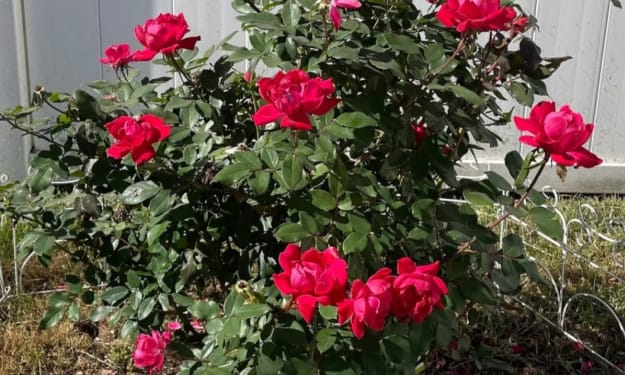
Do Not Touch the Roses
There is a quiet power in the phrase “Do Not Touch the Roses.” It sounds like a warning, but it feels like an invitation — one that asks us to pause, admire, and respect something without claiming it. Roses have long symbolized love, beauty, and passion, yet they are also guarded by thorns. That contradiction makes them the perfect metaphor for many of life’s most meaningful things.
By Aarif Lasharia day ago in Earth



Comments
There are no comments for this story
Be the first to respond and start the conversation.