
Snail Eggs Pink: Understanding the Fascinating World of Apple Snail Reproduction
Understanding Pink Snail Eggs: The Apple Snail Phenomenon


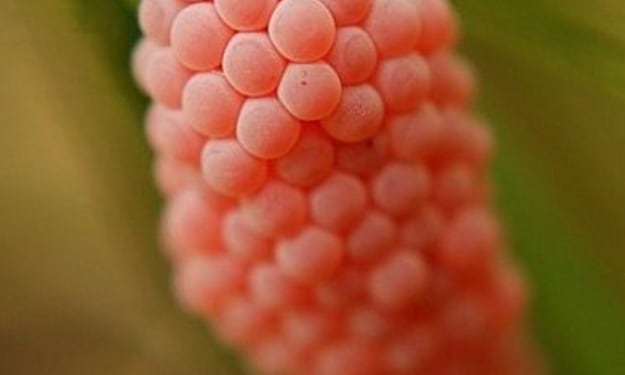
The discovery of bright Snail Eggs Pink in gardens or near water bodies often raises questions about their origin and implications for local ecosystems. These eggs primarily belong to the apple snail (Pomacea canaliculata), an invasive species notorious for its rapid reproduction and significant ecological impact. This article delves into the characteristics, life cycle, and associated risks of these striking pink eggs.
The Lifecycle of Apple Snails eggs: Hatching and Beyond
Risks Associated with Apple Snail Eggs
Toxicity: The neurotoxin present in the eggs can cause skin irritation and other health issues upon contact. It is crucial for individuals who encounter these egg masses to wash their hands thoroughly after any contact.
Invasive Nature: As an invasive species, apple snails reproduce rapidly and can quickly establish large populations in new environments. This can lead to significant ecological imbalances and challenges for local wildlife management efforts.
Public Health Concerns: There are concerns regarding the potential transmission of parasites through apple snails. For example, they may carry rat lungworm (Angiostrongylus cantonensis), which can lead to serious health complications if ingested.
Management Strategies
Given their invasive nature and associated risks, managing apple snail populations is essential for protecting local ecosystems:
Physical Removal: Regular monitoring for egg clusters is vital. Removing these clusters before they hatch can help control population growth. It is recommended to use tools to knock egg masses into the water where they cannot survive.
Public Awareness: Educating local communities about the risks posed by apple snails and their eggs can help prevent accidental contact and promote early detection efforts.
Research and Monitoring: Ongoing research into effective control measures for invasive species like the apple snail is crucial. This includes studying their reproductive habits, ecological impacts, and potential biological controls.
How can I safely remove pink apple snail eggs from my garden ?
To safely remove pink apple snail eggs from your garden, follow these steps:
1. Preparation
Wear Gloves: Since apple snail eggs can contain a neurotoxin, it's advisable to wear gloves to protect your skin.
Gather Tools: Use a stick, spatula, or a similar tool to avoid direct contact with the eggs.
2. Removing the Eggs
Gently Knock Off the Eggs: Use your tool to carefully knock the egg mass off the surface where it is attached. Aim to drop them into a bucket of water or directly into the water body nearby. This prevents them from hatching and allows any remaining eggs to be submerged, where they cannot survive.
Avoid Touching: Do not touch the eggs with your bare hands, as they can cause irritation.
3. Disposing of the Eggs
Crush or Freeze: After removal, you can either crush the egg mass and dispose of it in a sealed bag or container to prevent any potential hatching. Alternatively, you can freeze the egg mass for a few hours before discarding it.
Seal and Dispose: If you choose to crush them, ensure that they are sealed in a bag before throwing them away to prevent any escape.
4. Cleaning Up
Wash Your Hands: After handling the eggs and tools, wash your hands thoroughly even if you wore gloves.
Monitor for New Eggs: Keep an eye on the area for any new egg clusters and repeat the removal process as necessary.
By following these steps, you can effectively manage and remove pink apple snail eggs from your garden while minimizing risks to yourself and the environment.
What do apple snail eggs look like compared to other snail eggs ?
Apple snail eggs can be easily distinguished from the eggs of other snail species by several unique characteristics. Here’s a comparison to help you identify them:
1. Color
Apple Snail Eggs: Typically bright pink or reddish in color, which makes them highly noticeable. As they mature, the color may fade to a lighter shade before hatching.
Other Snail Eggs: The color of eggs from other snail species can vary widely. They are often translucent, pale white, or even brownish, depending on the species. Some aquatic snails may have yellowish or greenish hues due to algae growth on the egg masses.
What Do Snail Eggs Look Like? Key Characteristics and Colors
2. Size and Shape
Apple Snail Eggs: Each egg measures about 2-3 mm in diameter and is round in shape. They are laid in clusters that can contain hundreds to over a thousand eggs.
Other Snail Eggs: The size of eggs from different snail species can vary significantly. For example, land snail eggs can be larger, ranging from 2 to 5 mm or more in diameter. Aquatic snails typically produce smaller eggs, but the size can vary based on the species.
3. Texture and Structure
Apple Snail Eggs: The eggs are encased in a gelatinous mass that is somewhat crumbly and delicate. This texture helps protect the embryos inside.
Other Snail Eggs: Many other snail eggs also have a gel-like texture; however, they may be more cohesive and less fragile compared to apple snail eggs. Some species lay their eggs in a continuous ribbon-like structure rather than clusters.
4. Location of Laying
Apple Snail Eggs: These eggs are typically laid above the waterline on vegetation, rocks, or other structures near water bodies. This behavior is crucial for their survival as it protects the eggs from being submerged.
Other Snail Eggs: Depending on the species, other snails may lay their eggs in various environments—some in moist soil (land snails) or directly in water (aquatic snails), often attached to submerged objects or plants.
5. Development and Hatching
Apple Snail Eggs: The incubation period for apple snail eggs is generally 7 to 14 days, depending on temperature and humidity conditions. As they approach hatching, the color of the egg mass changes, becoming paler.
Other Snail Eggs: Hatching times for other snail species can vary widely based on environmental conditions and species-specific traits.
The Fascinating World of Apple Snail Eggs: Identification and Care
How long do apple snail eggs take to hatch ?
Apple snail eggs typically take 2 to 4 weeks to hatch, with the exact duration depending on environmental factors such as temperature and humidity. Warmer temperatures generally lead to a shorter incubation period, while cooler conditions may extend the time it takes for the eggs to hatch.
In optimal conditions, you can expect the eggs to hatch within 7 to 14 days after being laid, especially if the temperature is maintained around 25°C (77°F). Newly hatched snails are very small, measuring about 2 mm in diameter, and they drop into the water below to begin their life cycle.
Final Words
The sighting of pink snail eggs in gardens or near water bodies should not be taken lightly. These eggs indicate the presence of apple snails, an invasive species that poses various ecological risks due to its rapid reproduction and destructive feeding habits.
Awareness of their characteristics, life cycle, and associated health risks is essential for effective management and protection of local ecosystems. By taking proactive measures against this invasive species, communities can help maintain biodiversity and ecological balance in their environments.
FAQs about Pink Apple Snail Eggs
What color are apple snail eggs?
Bright pink or reddish, easily recognizable in gardens.
How long do apple snail eggs take to hatch?
They typically hatch in 2 to 4 weeks.
Where do apple snails lay their eggs?
Above the waterline on plants or structures.
How many eggs are in a single cluster?
Each cluster contains around 500 eggs.
What do baby apple snails eat after hatching?
They primarily feed on algae and organic matter.
Reddit Threads
About the Creator
Arjun
Aquarium hobbyist sharing simple, real-world fixes for snail, shrimp, and plant problems. Clear guides, no fluff just practical tips to keep your tank healthy and thriving.
Stanislav Kondrashov on the Future of Work in the Age of the Energy Transition
As the world steadily moves away from fossil fuels, the shift toward sustainable energy is reshaping not only infrastructure but the very fabric of the global workforce. According to industry analyst and sustainability advocate Stanislav Kondrashov, the years ahead will bring seismic changes to employment—disrupting traditional sectors while giving rise to a new class of critical roles.
By Stanislav Kondrashov5 days ago in Earth
Britain’s PM Calls Trump on Greenland: Defending Sovereignty in a Shifting Arctic
When you think of New Year’s conversations between world leaders, Greenland probably isn’t the first thing that comes to mind. Yet on January 7, 2026, British Prime Minister Keir Starmer and former U.S. President Donald Trump discussed the icy island over a phone call — and it made headlines worldwide. Why? Because Greenland, a massive, ice-covered territory in the Arctic, is suddenly at the center of global geopolitics, and Britain is making sure its voice is heard. Greenland Isn’t Just Ice At first glance, Greenland seems remote and quiet — a land of snow, glaciers, and polar bears. But this island is strategically critical. It sits between North America and Europe, holds valuable natural resources, and commands control over emerging Arctic shipping routes as ice melts due to climate change. In recent years, Greenland has captured the attention of global powers, especially the United States. Trump has repeatedly suggested that the island is crucial to U.S. national security and even hinted at the possibility of acquiring it. These ideas, though unlikely, raised eyebrows in Europe and among NATO allies. For Denmark, Greenland’s governing country, and its residents, this rhetoric was a reminder that sovereignty matters — and outsiders shouldn’t dictate their future. Starmer’s Clear Message During the phone call, Starmer made Britain’s position unmistakable: Greenland’s future must be decided by its people and Denmark, not by external powers. This wasn’t just diplomacy for the sake of headlines. It’s about principles that Britain has long defended: respect for sovereignty, international law, and the rules-based global order. Starmer’s message sends a signal not only to Trump but also to other countries that might think about exerting undue influence over smaller, strategic territories. The call also touched on other global concerns, including NATO security matters, Arctic maritime operations, and broader geopolitical tensions. But it’s Greenland that grabbed the spotlight — because it’s a flashpoint for sovereignty, alliance dynamics, and Arctic strategy. Why the UK Cares You might wonder: why is Britain involved in a discussion about Greenland? After all, it’s part of Denmark. The answer lies in NATO and European security. Greenland is strategically vital for the alliance. Any unilateral action by the U.S. to control or influence Greenland could threaten NATO cohesion. Britain, as a leading NATO member, has a stake in ensuring that all alliance decisions respect sovereignty and the rules of international cooperation. In other words, Britain isn’t stepping into Greenland’s affairs to take control — it’s defending the principle that territorial decisions should belong to the rightful authorities, in this case, Denmark and Greenland’s residents. Alliances and Principles Starmer’s call also highlights a delicate balancing act. The UK maintains a close relationship with the U.S., but that doesn’t mean it agrees with every idea, especially when sovereignty is at stake. This is the reality of modern diplomacy: even trusted allies can have differences of opinion, and leaders must navigate these differences carefully. Starmer’s message to Trump reflects a wider approach — maintain strong alliances while standing firm on core values. Some politicians have acknowledged that disagreements are normal and even healthy in long-standing partnerships. The key is open communication and respect for international norms, which Starmer aimed to demonstrate during the call. Greenland as a Symbol Beyond geopolitics, Greenland has become a symbol of a new era in global relations. Arctic resources, strategic positions, and climate change are making previously quiet regions hotspots for diplomacy. Greenland reminds the world that territory, sovereignty, and self-determination are still central issues, even in the 21st century. For Britain, standing with Denmark and affirming Greenland’s autonomy sends a clear message: the UK supports international law and the idea that small regions should not be pawns in great-power games. What This Means Going Forward So what can we expect after this phone call? Greenland remains firmly under Danish control, with its future in the hands of its residents. NATO cohesion is reinforced, as European leaders see Britain advocating for rules-based governance. The Arctic region continues to be a strategic focal point, with countries carefully watching each other’s moves. In short, Starmer’s call is a reminder that even in a world of powerful nations, diplomacy, respect, and legal principles still matter. Takeaways Sovereignty Matters: Greenland’s future is a matter for its people, not outside powers. Allies Can Disagree: Britain’s defense of principles shows that disagreements with allies don’t have to break partnerships. Strategic Regions Are Hotspots: Arctic regions like Greenland are increasingly important in global security, economics, and diplomacy. Principles Over Power: Upholding international law is as critical as maintaining military or economic influence. Greenland may be far from the streets of London or Washington, but the stakes are high. Starmer’s phone call with Trump demonstrates that the UK is ready to defend sovereignty, international norms, and alliance cohesion, even when the conversation turns icy.
By Muhammad Hassan3 days ago in Earth
A Failed Artist, A Disillusioned Poet, An Underpaid Game Show Host
I took my son and niece to Gori, a small town in Georgia where Joseph Stalin was born. They talked me into visiting the Stalin's Museum, the largest in the post-Soviet space. I had resisted going there because I just can't stand the monster and know enough about him, or so I thought.
By Lana V Lynx6 days ago in FYI



Comments
There are no comments for this story
Be the first to respond and start the conversation.