
Silent Crises
The Hidden Truths of Our Changing Planet


In the bustling world of environmental activism and climate science, certain realities often slip through the cracks, overshadowed by more sensational headlines. While melting ice caps, rising sea levels, and wildfires dominate the news, a series of lesser-known but equally alarming environmental issues are quietly reshaping our planet. These hidden crises, though not widely reported, reveal the complex and interconnected nature of climate change, pollution, and ecological degradation.
One of the most pressing, yet underreported, issues is the rapid acidification of our oceans. As carbon dioxide levels in the atmosphere rise, the oceans absorb a significant portion of it, resulting in a chemical reaction that lowers the pH of seawater. This process, known as ocean acidification, is devastating marine life at an alarming rate. Coral reefs, which support a quarter of all marine species, are particularly vulnerable. The acidification weakens the calcium carbonate structures that corals rely on, leading to widespread coral bleaching and the eventual collapse of these vital ecosystems. While coral bleaching is occasionally mentioned in the news, the underlying cause—acidification—remains largely overlooked, despite its far-reaching consequences for biodiversity and global food security.
Another silent crisis is the decline in insect populations, often referred to as the "insect apocalypse." Insects, which are essential for pollination, pest control, and nutrient cycling, are disappearing at an alarming rate due to habitat loss, pesticide use, and climate change. A study published in 2019 revealed that over 40% of insect species are in decline, with some facing extinction within the next few decades. The ripple effects of this decline are profound, threatening the stability of ecosystems and the global food supply. Yet, this issue receives little attention compared to more visible environmental disasters, despite its potentially catastrophic impact.
Plastic pollution is another well-known issue, but the full extent of its dangers remains underreported. Microplastics, tiny plastic particles that result from the breakdown of larger plastic debris, have permeated every corner of the planet—from the deepest ocean trenches to the highest mountain peaks. Recent studies have even found microplastics in the air we breathe and the food we eat. These particles are not just an environmental concern; they pose a significant health risk to humans as well. Microplastics can carry toxic chemicals that, when ingested, may disrupt endocrine systems, impair immune functions, and even contribute to cancer. The long-term health effects of microplastics are still being studied, but the early findings suggest that the problem is far more serious than previously thought.
While the focus of climate discussions is often on carbon emissions, methane—a greenhouse gas 25 times more potent than carbon dioxide—receives far less attention. Methane emissions are rapidly increasing, driven by agriculture, fossil fuel extraction, and thawing permafrost in the Arctic. As permafrost thaws, it releases vast amounts of trapped methane into the atmosphere, creating a feedback loop that accelerates global warming. The potential for a sudden, massive release of methane from permafrost could trigger abrupt climate changes with devastating effects, yet this possibility remains on the fringes of mainstream environmental discourse.
Lastly, the exploitation of natural resources in developing countries often escapes global scrutiny. In regions like the Amazon rainforest and Southeast Asia, illegal logging, mining, and land clearance for agriculture are decimating some of the world’s most biodiverse ecosystems. These activities not only contribute to climate change by releasing stored carbon but also displace indigenous communities, leading to social and cultural erosion. Despite the global significance of these issues, they are frequently overshadowed by other environmental concerns that are more visible to the public eye.
As we grapple with the visible
About the Creator
Keep reading
More stories from Kingsley Egeke and writers in Earth and other communities.
First Light's Promise
In a secluded valley where mountains kissed the sky and rivers whispered ancient songs, the villagers of Aurelion had a cherished belief. Each dawn, as the first light of the sun touched the highest peak, it was said to carry a promise—a blessing that would be granted to one who greeted it with a pure heart.
By Kingsley Egeke2 years ago in Earth
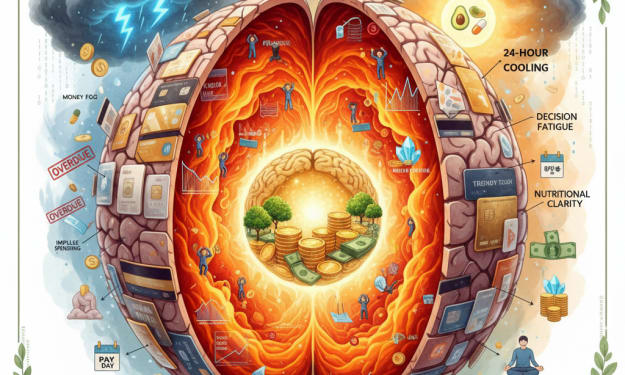
Navigating the Economy of Your Inner World
Core Concept: We are applying the "Niche Earth" philosophy to Personal Finance. This piece explores how to manage the "climate" of your bank account, avoid the "tectonic shifts" of impulse spending, and build a "solid core" of financial security through evidence-based habits.
By Being Inquisitive7 days ago in Earth



Comments (2)
Great article. The whole of climate change is lost in the denying of it! If we're ever to enact things that will help save the planet for future generations, now is the time to act!
Silent crises are severe than anything. Thanks for sharing it.