
Silene stenophylla: The Ice Age Flower That Came Back to Life
The amazing revival of the glacier flower from the permafrost

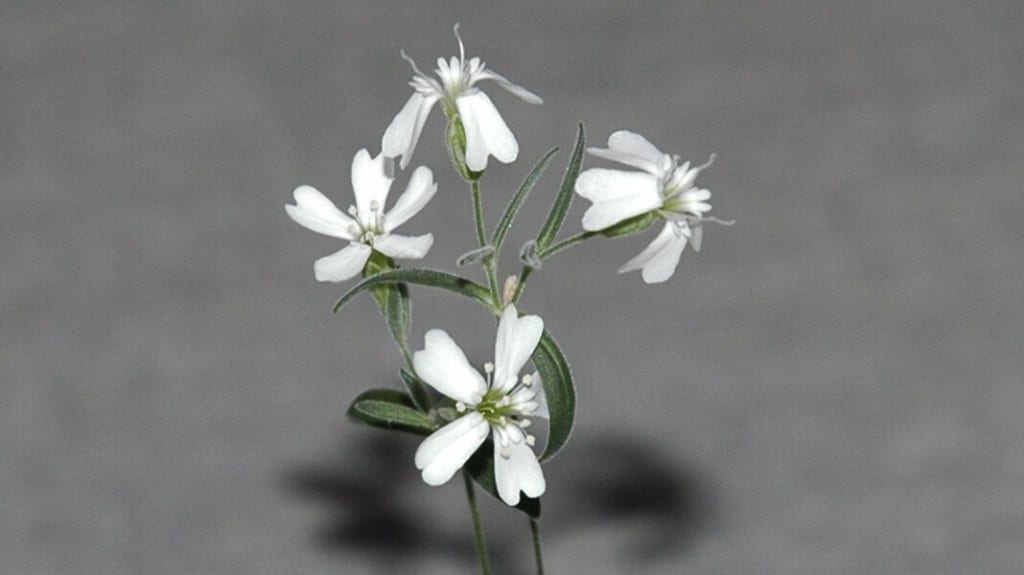
In 2012, a scientific breakthrough stunned the world. A group of Russian scientists succeeded in reviving a plant that had been dormant for over 30,000 years. This wasn't just any plant — it was Silene stenophylla, a small flowering species native to Siberia. What makes this story truly extraordinary is that the plant was grown from seeds found buried in ancient permafrost, offering a rare and fascinating glimpse into the distant botanical past.
Unearthing the Past: A Frozen Time Capsule
The seeds of Silene stenophylla were discovered in the Siberian permafrost near the Kolyma River. They had been preserved in a burrow left behind by an Ice Age lemming — essentially, a prehistoric pantry that had frozen solid for millennia. The burrow was found 38 meters below the surface, embedded in layers of ice and sediment that hadn’t thawed for tens of thousands of years.
Thanks to the extreme cold and stable conditions of the permafrost, the seeds were perfectly preserved. While previous efforts to germinate ancient seeds had either failed or produced only partial results, this time was different. Russian scientists from the Institute of Cell Biophysics carefully extracted the tissues and used advanced techniques to coax the plant back to life. What sprouted was not a ghost of the past, but a living, flowering plant — genetically identical to its modern counterpart.
What Does Silene stenophylla Look Like?
At first glance, Silene stenophylla appears quite ordinary. It is a perennial herb that grows to a modest height of 10 to 20 cm (4 to 8 inches). The plant features narrow, linear leaves arranged in a basal rosette and small, delicate flowers that bloom in shades of pink or white. Despite its unassuming appearance, this plant possesses extraordinary survival traits that allowed it to endure Arctic conditions for millennia.
Life in the Frozen North
Today, Silene stenophylla is still found in the wild — primarily in the tundra and mountainous regions of eastern Siberia, particularly in Yakutia and Kamchatka. It thrives in harsh, rocky environments, enduring long winters, short summers, and minimal soil nutrients. Its ability to adapt to such extreme conditions is a testament to evolutionary resilience.
Some of its key biological adaptations include:
- Tolerance to extreme temperatures, both hot and cold
- Rapid blooming cycle, allowing it to flower during short Arctic summers
- Drought and frost resistance, thanks to specialized metabolic mechanisms
- Vegetative propagation, giving it a reproductive edge when seed germination is limited
Why Does This Matter?
The revival of Silene stenophylla is more than a scientific curiosity — it opens doors to multiple fields of research and innovation.
1. Cryopreservation: Understanding how these seeds maintained their viability for over 30,000 years could revolutionize long-term storage of biological material, including seeds, embryos, and even human organs.
2. Climate Resilience: Studying this plant's hardiness may help scientists develop new crop varieties that can survive in extreme climates — a vital asset as global warming accelerates.
3. Ecological Insights: The plant acts as a biological time capsule, helping researchers reconstruct ancient ecosystems and understand how flora responded to Ice Age environments.
4. Conservation Biology: Techniques used in reviving Silene stenophylla may one day assist in bringing back rare or endangered plant species.
A Fragile Legacy
Despite its hardy nature, Silene stenophylla is not immune to modern threats. Climate change, especially in the Arctic, poses a serious risk to its natural habitat. As temperatures rise and permafrost thaws, delicate ecosystems are being transformed, often irreversibly.
Additionally, the scientific interest surrounding this plant has led to increased collection, which, if not managed responsibly, could impact its wild populations. While it is not currently listed as endangered, experts caution that we must act now to protect its future.
Did You Know?
- The revived Silene stenophylla bloomed in its very first year of life — rare for perennials.
- Its seeds are the oldest known to successfully grow into a viable plant.
- The plant offers direct biological evidence from the Ice Age, offering insight into Earth’s climate and flora from that period.
- It may one day play a role in terraforming or colonizing extreme environments, such as on Mars or in desertified Earth regions.
Looking Ahead: What the Future Holds
The success of reviving Silene stenophylla is a milestone in plant science — but it’s just the beginning. Ongoing studies aim to sequence its genome, compare ancient and modern strains, and explore its genetic code for hidden traits that enabled its long-term survival.
In the broader context, it fuels hope for cryogenic agriculture, resilience-based breeding programs, and even futuristic ideas like seed vaults for planetary colonization.
In a world increasingly focused on innovation and sustainability, Silene stenophylla stands as a living bridge between the ancient past and the future of science. Its survival story is not just about a flower blooming after 30,000 years — it’s about the enduring power of life, adaptation, and curiosity. This unassuming Arctic plant reminds us that nature still holds secrets we’re only beginning to uncover.
About the Creator
Helga Che
My name is Olga, I love studying plants and ecology.
Time Out Market to Close in Fulton Market
After years of drawing locals and tourists alike to Fulton Market, Time Out Market Chicago is set to close its doors. The popular food hall, known for bringing together some of the city’s best chefs, artisans, and culinary experiences under one roof, has announced that it will cease operations later this year. The closure marks the end of an era for one of Chicago’s most vibrant dining destinations and reflects broader trends in the restaurant and hospitality industry that have reshaped urban dining spaces over the past decade. The Rise of Time Out Market in Fulton Market Time Out Market first opened in Chicago’s Fulton Market District in 2019, quickly gaining a reputation as a destination where visitors could sample some of the city’s most celebrated chefs and street‑food vendors all in one place. The market followed a model that had already been successful in cities like Lisbon and New York: a curated collection of high-quality, chef-driven eateries, communal seating areas, and a lively atmosphere that combined dining with culture and entertainment. Located in a district already famous for its mix of historic meatpacking warehouses and trendy loft conversions, Time Out Market quickly became a hub for both food lovers and tourists seeking an authentic Chicago experience. (timeoutmarket.com) Why the Closure Is Happening While the exact reasons behind the closure are complex, several key factors appear to have contributed: 📉 Shifting Consumer Behavior The COVID-19 pandemic dramatically changed dining habits, with many customers moving toward delivery, takeout, and smaller neighborhood restaurants rather than large food halls. Even as in-person dining rebounded, some communal spaces struggled to maintain consistent foot traffic. 💰 Operational Costs Maintaining a high-quality, multi-vendor space in Fulton Market comes with significant overhead, from leasing costs to staffing and compliance with city regulations. Rising costs for ingredients, labor, and real estate have challenged profitability. 🌆 Urban Development Trends Fulton Market has evolved rapidly, attracting corporate offices, luxury condos, and boutique hotels. While the area’s growth has been positive for real estate, it has also intensified competition for dining options and raised expectations for commercial spaces, putting additional pressure on large-scale food halls. Impact on Local Vendors and Chefs One of the hallmarks of Time Out Market was its curated roster of local vendors. From acclaimed pastry chefs to innovative street-food vendors, many found a platform at Time Out Market that allowed them to reach a wide audience without the overhead of opening a standalone restaurant. The closure will leave dozens of small business owners seeking new spaces or alternative ways to reach their customers. While some may move to other neighborhoods or pop-up concepts, others may struggle to find affordable options in the city’s increasingly expensive food scene. For food lovers, the market’s closure means the loss of a one-stop destination to sample a variety of Chicago’s culinary talent in a single, vibrant location. The Cultural Significance Time Out Market was more than just a food hall—it was a social and cultural gathering place. Its communal tables encouraged interaction, its events showcased local music and arts, and its central location made it a natural meeting point for tourists and locals alike. For many, it represented the spirit of Chicago’s Fulton Market district: a place where history, innovation, and creativity intersected. Its closure will leave a gap not only in dining options but in the neighborhood’s cultural fabric. Industry Experts Weigh In Analysts note that the closure of Time Out Market is part of a broader trend affecting large-scale food halls across the U.S.. While some continue to thrive, particularly in cities with high tourist traffic or strong corporate sponsorship, others have struggled to adapt to post-pandemic consumer habits. In interviews with hospitality experts, several key points emerged: Adaptability Is Key: Food halls that survive often offer flexible layouts, hybrid dining and retail options, or smaller-footprint satellite locations. Experience Still Matters: While convenience and takeout are important, consumers continue to seek memorable experiences. Large markets must find ways to balance these two priorities. Local Partnerships Help: Collaboration with local businesses, breweries, and cultural institutions can drive consistent traffic and community engagement. What’s Next for Fulton Market? The closure of Time Out Market opens up opportunities for other businesses. Fulton Market remains a hotspot for culinary innovation, with new restaurants, bars, and pop-up venues continuing to open each year. Some industry insiders speculate that the space may be repurposed for smaller, boutique eateries, event spaces, or mixed-use commercial developments that cater to the neighborhood’s evolving demographics. Others believe the closure may inspire new concepts that combine food, culture, and technology in innovative ways. Reflections from Visitors For regular patrons, the news is bittersweet. Many recall their first visits to Time Out Market—sampling different cuisines, sharing tables with strangers, or attending weekend events. Social media posts following the announcement highlighted memories of birthday celebrations, first dates, and casual gatherings, underscoring the market’s role in the city’s social life. “It was our go-to spot for trying new chefs,” one visitor commented. “It’s sad to see it go, but we’re hoping whatever comes next keeps that spirit alive.” Conclusion: The End of an Era, and the Beginning of Something New The closure of Time Out Market in Fulton Market represents the end of a significant chapter in Chicago’s food and cultural scene. While it may be disappointing for fans and vendors alike, it also reflects broader trends shaping urban dining, commercial real estate, and consumer behavior. As the neighborhood continues to grow and evolve, there’s hope that new concepts will emerge, preserving the community-focused, culinary-driven spirit that made Time Out Market special. In the meantime, Chicagoans and visitors alike will treasure the memories and flavors that the market brought to Fulton Market, even as the city’s food scene moves forward into a new chapter.
By Muhammad Hassan3 days ago in Earth
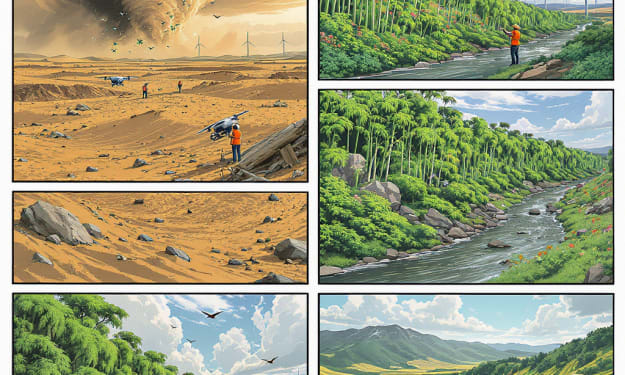
Chinese Planetary Engineering: The Great Green Wall and the Reclamation of Climate
There are junctures in history where a civilization no longer chooses between comfort and progress, but between adaptation and extinction. At the dawn of the new millennium, China hit one of those silent thresholds where geography ceases to be a backdrop and becomes an adversary. The desert was advancing, not as a metaphor for decay, but as a physical, methodical, and relentless force. Sand was devouring the horizon, winds grew heavy with dust, and the soil lost its fertile memory, taking with it the promise of social stability.
By Laurenceau Porte4 days ago in Earth



Comments
There are no comments for this story
Be the first to respond and start the conversation.