
Seven Climbers Dead After Nepal Avalanche
Tragedy Strikes Himalayan Expedition as Search Efforts Continue in Treacherous Conditions

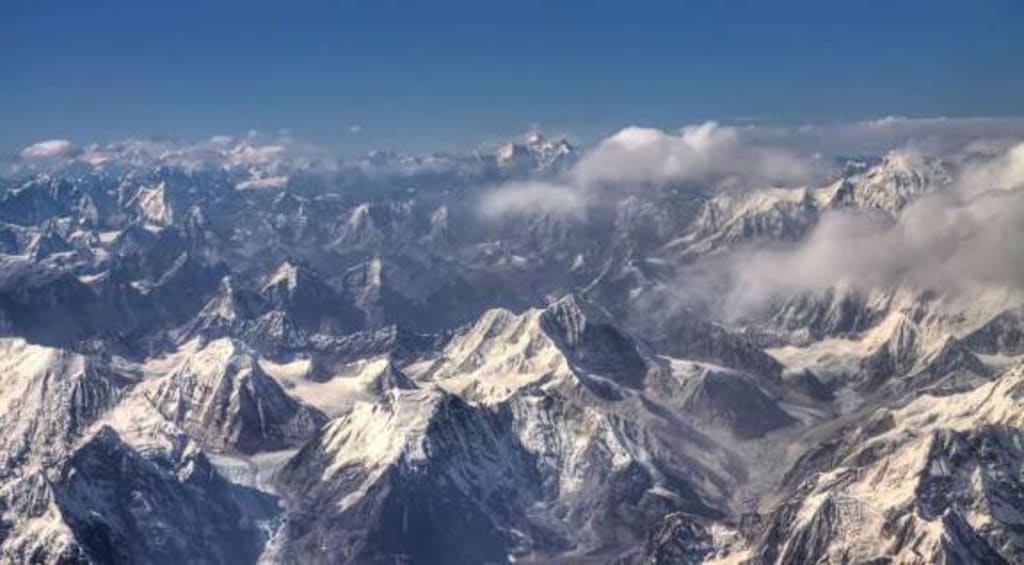
A devastating avalanche in Nepal’s Himalayas has claimed the lives of seven climbers and left several others missing, marking one of the deadliest mountaineering disasters in recent years. The tragedy unfolded near Mount Manaslu, the world’s eighth-highest peak, where sudden snowfall and ice collapse buried multiple expedition teams under tons of snow.
Authorities confirmed that rescue teams, including Nepali Army helicopters and mountain guides, are still searching for missing climbers despite harsh weather and unstable terrain. The accident has once again highlighted the extreme risks faced by mountaineers and the growing unpredictability of weather in the Himalayas.
---
A Routine Expedition Turns Fatal
The group of climbers — a mix of local Sherpas and international mountaineers — had been making their ascent toward a base camp on Mount Manaslu when the avalanche struck early Monday morning. Witnesses described hearing a deep rumble followed by a wall of snow racing down the slope.
“It all happened in seconds,” said one survivor, a guide who was resting at a lower camp when the avalanche hit. “There was no warning. The snow came down like thunder, swallowing everything.”
Initial reports indicate that the climbers were caught between Camp III and Camp IV — a notoriously dangerous section of the route where the ice is steep and unstable. The avalanche destroyed several tents and buried equipment under deep snow.
Rescuers have since recovered seven bodies, but hope is fading for others still missing. Helicopters have been deployed to airlift survivors and bodies to Kathmandu, though bad weather has limited visibility and delayed efforts.
---
Harsh Conditions Challenge Rescuers
Rescue operations in the Himalayas are notoriously difficult. High altitude, freezing temperatures, and sudden weather changes make it nearly impossible for teams to stay long in the danger zone. “The snow is still shifting, and one wrong step can trigger another avalanche,” said a member of Nepal’s mountaineering rescue team.
Despite these challenges, dozens of Sherpas and mountain police have joined the operation, combing through snow and ice in search of survivors. Drone surveillance is also being used to locate signs of life or movement in the area.
The Nepal Mountaineering Association (NMA) has urged climbers to suspend further expeditions in the region until conditions stabilize. “This is not the first time tragedy has struck,” an NMA spokesperson said. “But the frequency of avalanches is rising, and we must take more precautions.”
---
The Victims and Their Dreams
Among the dead are climbers from Nepal, Japan, and the United States, though officials are still verifying nationalities. Many of the climbers were experienced mountaineers who had trained for years to take on the Himalayas.
One of the victims, a 34-year-old American climber, had been documenting his journey on social media, sharing his excitement about “chasing the clouds” and experiencing “the humbling power of nature.” His last post, shared just a day before the avalanche, read: “The mountain decides.”
Families of the missing climbers have gathered in Kathmandu, anxiously waiting for updates. The government has promised to assist with repatriation and provide compensation to the families of Nepali Sherpas who lost their lives during the expedition.
---
A Growing Pattern of Danger
Avalanches in the Himalayas are not new, but experts warn that climate change is making them more frequent and deadly. Rising global temperatures have led to the melting of glaciers and weakening of snowpacks, making mountain slopes increasingly unstable.
A study by Nepal’s Department of Hydrology and Meteorology found that Himalayan glaciers are melting 65% faster than they were two decades ago. “The snow is softer, and the ice formations that used to hold for months are now collapsing unexpectedly,” said Dr. Prakash Shrestha, a climate scientist based in Kathmandu.
These changes not only endanger climbers but also threaten the livelihoods of communities living below the mountains, who face a higher risk of floods and landslides triggered by melting ice.
---
Remembering the Heroes: The Sherpas
Every year, hundreds of Sherpas — Nepal’s legendary mountain guides — risk their lives to help foreign climbers reach Himalayan peaks. Their unmatched skill and courage have made countless expeditions possible, yet they often pay the highest price when disasters strike.
Five of the seven confirmed victims were Sherpas, according to local reports. These men were responsible for fixing ropes, carrying supplies, and guiding climbers through treacherous terrain. “They were the backbone of the expedition,” said one survivor. “Without them, no one would make it to the top.”
Communities in Nepal’s Solukhumbu and Manang districts, where many Sherpas come from, are mourning their loss. Fundraising campaigns have already begun to support their families, highlighting the harsh reality that while mountaineering brings fame and money to some, it often leaves tragedy for those who make it possible.
---
Calls for Better Safety Measures
The Nepal government has announced plans to review its mountaineering safety protocols after the tragedy. Officials are considering stricter weather monitoring, better insurance policies for local guides, and mandatory training programs for foreign climbers.
“Climbing the Himalayas is not a tourist adventure — it’s a life-and-death undertaking,” said one government official. “We need to ensure that every climber, regardless of experience, understands the risks.”
Several experts have also called for improved communication systems between base camps and rescue teams, as delays in relaying information can cost lives during emergencies.
---
A Sobering Reminder of Nature’s Power
As news of the avalanche spreads, the global mountaineering community has expressed shock and grief. Tributes have poured in from climbers around the world, remembering those who lost their lives chasing their dreams.
“This tragedy reminds us that nature is both beautiful and brutal,” wrote British mountaineer Kenton Cool on social media. “The mountains give us purpose, but they also demand respect.”
In Kathmandu, a memorial is being planned to honor the victims. Flags at the Nepal Mountaineering Association headquarters have been lowered to half-mast, and a moment of silence was held for the fallen climbers.
---
Moving Forward
For now, rescue teams continue to battle freezing winds and heavy snow, hoping to bring closure to grieving families. While the Himalayas remain a symbol of adventure and resilience, this tragedy serves as a stark reminder that no amount of preparation can completely tame nature’s fury.
As Nepal mourns the seven climbers lost to the avalanche, it also faces a pressing question: how can it balance the lure of mountaineering tourism with the growing dangers brought on by a changing planet?
Until that balance is found, the world’s highest peaks will remain both a dream and a danger — a place where courage meets fragility, and where the human spirit is tested against the power of the earth itself.
About the Creator
Fiaz Ahmed
I am Fiaz Ahmed. I am a passionate writer. I love covering trending topics and breaking news. With a sharp eye for what’s happening around the world, and crafts timely and engaging stories that keep readers informed and updated.
Keep reading
More stories from Fiaz Ahmed and writers in Earth and other communities.
China Sends Its Youngest Astronaut and Four Black Mice to ‘Heavenly Palace’ Space Station
China has once again made history in space exploration. The nation successfully launched a new crew to its Tiangong Space Station, also known as the “Heavenly Palace,” featuring its youngest-ever astronaut and an unusual group of companions — four black mice. This groundbreaking mission marks a blend of human courage, scientific research, and the continued rise of China as a global space leader.
By Fiaz Ahmed 4 months ago in Earth
The Day the Stars Went Silent
It began without darkness. The stars still shone. On a clear Thursday night, children in deserts and cities pointed upward at familiar constellations. Satellites orbited peacefully. Aircraft crossed continents. The sky looked exactly as it had the night before.
By Abubakar2207 days ago in Earth




Comments
There are no comments for this story
Be the first to respond and start the conversation.