
Save Bees, Protect Biodiversity
Beyond Honeybees: Unraveling the Plight of Native Bee Species and Ecosystem Resilience

In 2023, alarming news emerged about the honeybee population in the United States. Nearly half of all honeybee colonies in the U.S. died the previous year, raising concerns due to their vital role in food production. Honeybees have become the poster species for the larger movement to save bees, but this focus on them overshadows the plight of numerous other bee species at risk of extinction.
Sarah Kornbluth, a field researcher at the American Museum of Natural History, describes the unique characteristics of bees, with their fuzzy bodies and distinctive stripes. Krystle Hickman, a community scientist and photographer, shares her passion for honeybees and their significance in agriculture.
Although honeybees are essential to U.S. agriculture, they are not native to the country. European settlers introduced honeybees in the 1600s for their wax and honey. Over time, honeybees played a crucial role in large-scale farming, especially in monoculture settings requiring mass pollination.
The significance of honeybees in U.S. agriculture is immense, as they pollinate about one-third of the nation's food supply, including crops worth billions of dollars. However, around 2006, beekeepers reported massive colony losses due to factors like pesticides, disease, parasites, and transportation stress. The demand for honeybee pollination services has grown, leading to increased fees.
The rallying cry of "Save the Bees" mainly focuses on European honeybees, which are not globally threatened. In contrast, thousands of other bee species require attention and conservation efforts. The U.S. is home to over 4,000 bee species, including some with striking appearances and unique behaviors. Many native bees are solitary and do not produce honey, but they play a crucial role in pollinating flowering plants worldwide.
Native bee populations are declining due to factors like pesticides, land loss, climate change, and habitat destruction. Grasslands, a vital habitat for native bees, are disappearing, making way for agriculture. When honeybee hives are introduced to farms, they compete for resources with native bees.
As native bee populations dwindle, the consequences for ecosystems are severe, affecting not only bees but also native plants and wildlife that depend on pollination. Despite their importance, native bees receive less attention and funding compared to honeybees.
Addressing the decline in native bee populations involves limiting pesticide use and creating environments that attract native bees to homes and farms. A diverse bee population leads to more effective pollination, resulting in better-quality fruits and crops.
One of the significant threats to pollinators is neonicotinoid pesticides, which have been banned in Europe. Legislation is slowly progressing in the U.S., with New York passing the Birds and Bees Protection Act. However, a comprehensive national bill, the Saving America's Pollinators Act, remains stalled in Congress.
In conclusion, saving bees goes beyond just protecting honeybees. It involves conserving a diverse range of wild pollinators that contribute to the ecosystem's health. Limiting pesticide use, promoting biodiversity, and raising awareness are crucial steps in safeguarding both honeybees and native bee species.
The alarming decline of honeybee colonies in the U.S. in 2023 serves as a stark reminder of the intricate relationship between bees and our food supply. Honeybees, often seen as the face of the pollinator crisis, have garnered significant attention and resources in recent years. While their importance cannot be overstated, it's imperative to broaden our perspective to encompass the multitude of lesser-known bee species that are equally essential to our ecosystem.
The native bees of the United States, numbering over 4,000 species, are an often-overlooked treasure trove of biodiversity. These bees come in various shapes, sizes, and colors, each adapted to pollinate specific plants and crops. Yet, they face an array of threats, including habitat loss, climate change, and exposure to pesticides. In particular, the loss of grasslands, which serve as vital nesting grounds for many native bee species, is a critical issue that demands our attention.
The consequences of declining native bee populations are far-reaching. It's not just about losing bees; it's about losing the plants, animals, and ecosystems that rely on their pollination services. From flowering plants to fruits, vegetables, and nuts, the ripple effect of their decline threatens food security and biodiversity.
To safeguard the future of these unsung heroes of pollination, we must prioritize conservation efforts, enact stricter pesticide regulations, and promote habitat restoration. Embracing diversity within our bee populations is essential for resilience and sustainability in agriculture and the broader environment.
About the Creator
Keep reading
More stories from Raven Bautista and writers in Earth and other communities.
The Great Balloon Release Disaster of 1986: Lessons Learned from Cleveland's Helium Fiasco
In the chronicles of exposure stunts turned out badly, the disastrous arrival of 1.5 million helium-filled inflatables over the city of Cleveland on September 27, 1986, remains as an obvious sign of the unusual results that can go with even the most benevolent undertakings. What started as an endeavor to establish a worldwide best for the biggest inflatable delivery immediately transformed into a fiasco that had broad ramifications for the city and its inhabitants.
By Raven Bautista2 years ago in Critique
A Planetary Alignment will coincide with Mercury Retrograde
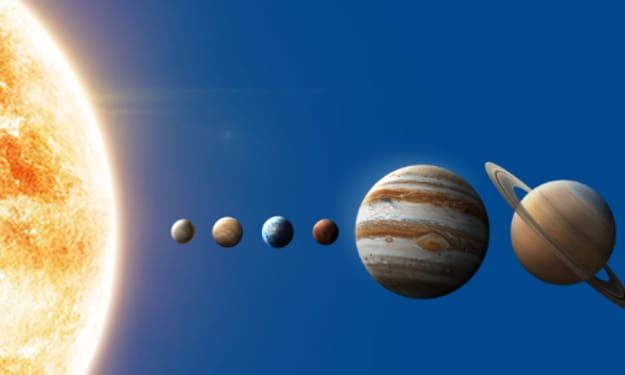
Double phenomena in the heavens Some people say in jest that the planets have aligned in their favor when life works the way they desire. Were you aware that there are seasons when things do line up in the heavens? There will be a planetary alignment AKA a planet parade, on February 28, 2026.
By Cheryl E Preston4 days ago in FYI


Comments
There are no comments for this story
Be the first to respond and start the conversation.