
Salhesh Fulwari of Nepal: Unveiling the Cultural Splendor and Festive Delight
Celebrating Cultural Splendor, Blossoming Sal Trees, and Community Unity

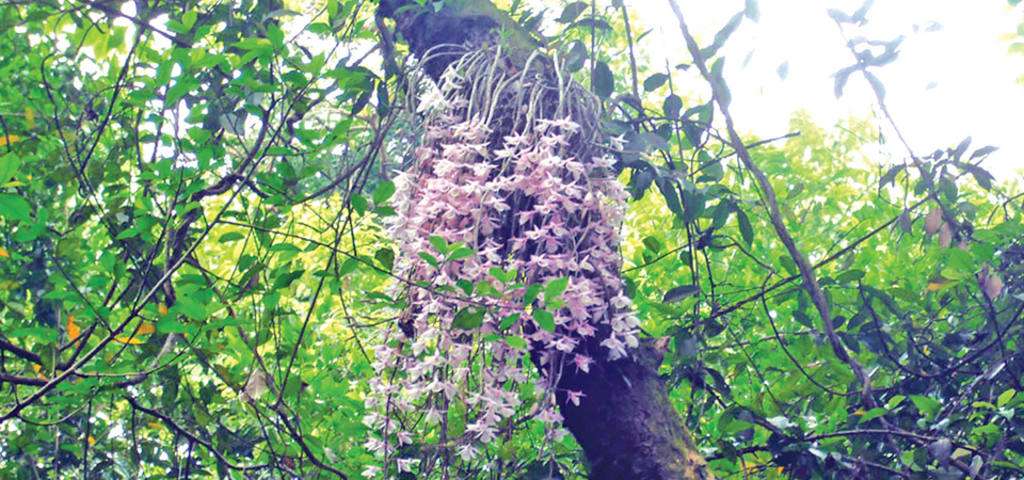
Nepal, a country renowned for its rich cultural heritage and diverse traditions, is home to a myriad of vibrant festivals celebrated with great enthusiasm throughout the year. Among the many festivals, Salhesh Fulwari stands out as a unique and captivating cultural event. In this blog, we will delve into the captivating world of Salhesh Fulwari, exploring its significance, traditions, and the joyous atmosphere it brings to the people of Nepal.
I. The Significance of Salhesh Fulwari
Salhesh Fulwari, also known as the "Festival of Blooming Sal Trees," is celebrated primarily in the Tarai region of Nepal, particularly in the districts of Siraha, Dhanusha, Mahottari, and Sarlahi. The festival takes place during the month of Baishakh (March/April) and marks the arrival of spring, when the Sal trees (Shorea robusta) bloom with vibrant red flowers, painting the landscape in a breathtaking display of colors.
The festival holds immense cultural, religious, and social significance for the local communities, especially the Maithil people. It is deeply rooted in the Maithil culture and traditions, symbolizing the arrival of prosperity, fertility, and happiness.
II. Rituals and Celebrations
1. Worship of Sal Trees:
The centerpiece of Salhesh Fulwari is the worship of the Sal trees. People gather under the blooming Sal trees, offering prayers and performing rituals to seek blessings for a bountiful harvest, well-being, and prosperity. The trees are adorned with colorful ribbons, flags, and sacred threads, enhancing the festive ambiance.
2. Dance and Music:
Dance and music play a vital role in Salhesh Fulwari celebrations. The festival is accompanied by traditional Maithil folk dances such as Jhumar, Nachari, and Bhajan, performed by both men and women. Musicians play traditional instruments like the harmonium, dholak (drum), and maadal (percussion instrument), creating an enchanting rhythm that fills the air with joy.
3. Processions and Parades:
Elaborate processions and parades are a prominent feature of Salhesh Fulwari. Colorfully dressed participants, often carrying the idols of deities and cultural symbols, march through the streets, accompanied by enthusiastic spectators. The processions showcase the vibrant Maithil culture, allowing locals and visitors alike to experience the splendor and charm of the festival.
4. Cultural Performances and Competitions:
Salhesh Fulwari serves as a platform for showcasing the rich cultural heritage of the Maithil community. Cultural performances, including folk songs, dramas, and poetry recitations, take place during the festivities. Competitions such as traditional sports, rangoli (artistic patterns created with colored powders), and traditional attire competitions add an element of excitement and encourage community participation.
III. Community Engagement and Social Harmony
Salhesh Fulwari fosters a sense of community engagement and social harmony. The festival brings people together, transcending caste, creed, and social barriers. It promotes unity, as individuals from various backgrounds actively participate in the celebrations, strengthening the social fabric of the community.
IV. Preservation of Cultural Heritage
Salhesh Fulwari plays a vital role in preserving and promoting the unique cultural heritage of the Maithil community. The festival provides a platform for passing down traditional practices, songs, dances, and rituals from one generation to the next. By actively participating in Salhesh Fulwari, younger generations develop a deep appreciation for their cultural roots, ensuring the preservation of Ma ithil traditions for years to come.
V. Tourism and Cultural Exchange
Salhesh Fulwari has also gained recognition as a cultural event that attracts tourists and visitors from around the world. The festival offers a unique opportunity for cultural exchange, as visitors can immerse themselves in the vibrant traditions, witness the stunning Sal tree blossoms, and experience the warm hospitality of the local communities. This cultural exchange promotes understanding, appreciation, and respect for diverse cultures.
Salhesh Fulwari stands as a testament to the cultural richness and diversity of Nepal, particularly the Maithil community. The festival's vibrant celebrations, worship of blooming Sal trees, traditional dances, music, and community engagement create an atmosphere of joy and unity. Salhesh Fulwari not only preserves and promotes the cultural heritage of the Maithil people but also serves as a platform for cultural exchange and tourism, inviting people from different parts of the world to experience the cultural splendor and festive delight of Nepal. It is an extraordinary celebration that showcases the essence of community, traditions, and the deep-rooted connection between nature and human life.
VII. Importance of Sal Trees
The Sal trees (Shorea robusta) hold great significance in the context of Salhesh Fulwari. These trees are native to the Tarai region of Nepal and play a crucial ecological role in maintaining the balance of the ecosystem. The blooming of Sal trees during the festival not only adds beauty to the surroundings but also symbolizes the arrival of spring and the renewal of life.
Sal trees have multiple uses in the local communities. The timber obtained from Sal trees is highly valued for construction, furniture making, and fuelwood. Additionally, the leaves, bark, and resin of the Sal tree have medicinal properties and are used in traditional Ayurvedic medicine.
The preservation and conservation of Sal trees are integral to the sustainability of the ecosystem. The festival serves as a reminder of the importance of protecting these trees and their habitat, promoting environmental awareness and conservation efforts.
VIII. Future Challenges and Opportunities
As Salhesh Fulwari continues to captivate locals and visitors, there are challenges that need to be addressed for its sustained growth and cultural preservation. Some of these challenges include:
1. Modernization and Changing Lifestyles: With the advent of technology and changing lifestyles, there is a need to strike a balance between preserving the traditional aspects of the festival and incorporating modern elements that resonate with younger generations.
2. Environmental Conservation: The conservation of Sal trees and the surrounding natural environment is crucial. Efforts should be made to raise awareness about the importance of sustainable practices and the preservation of the ecosystem.
3. Cultural Exchange and Tourism Management: As the festival gains popularity among tourists, it is essential to manage tourism in a way that respects local traditions and maintains the cultural authenticity of the celebrations.
4. Documentation and Research: Continued documentation and research on Salhesh Fulwari can contribute to a deeper understanding of its cultural significance, history, and the ways in which it can be preserved for future generations.
Despite these challenges, Salhesh Fulwari presents opportunities for cultural promotion, tourism development, and community engagement. By embracing these opportunities and addressing the challenges, the festival can continue to thrive as a significant cultural event, showcasing the richness of Nepal's heritage and fostering a sense of pride among its people.
IX. Retrospect
Salhesh Fulwari stands as a testament to the cultural vibrancy and heritage of Nepal, particularly the Maithil community. The festival's unique rituals, vibrant celebrations, and the blooming of the Sal trees create an atmosphere of joy, unity, and reverence for nature. Salhesh Fulwari serves as a platform for cultural exchange, community engagement, and environmental conservation. It embodies the values of tradition, harmony, and respect for nature, making it an integral part of Nepal's cultural tapestry.
As Salhesh Fulwari continues to evolve and adapt to changing times, it is vital to preserve its essence and ensure its sustainability for future generations. By celebrating and appreciating the festival's significance, we can honor the cultural heritage of the Maithil community, promote tourism, foster social cohesion, and inspire a deeper connection with the natural world. Salhesh Fulwari truly encapsulates the splendor of Nepal's cultural diversity and the joyous spirit of its people.
About the Creator
US Lawmakers Arrive in Copenhagen to Counter Trump’s Greenland Threats
In a high-stakes diplomatic maneuver, a delegation of U.S. lawmakers recently arrived in Copenhagen to discuss Greenland’s future, aiming to counteract the aggressive rhetoric and territorial ambitions expressed by former President Donald Trump. The visit comes amid rising concerns over Greenland’s strategic importance in the Arctic and the implications of any unilateral moves by the United States. For Denmark, Greenland’s autonomous territory, the presence of U.S. lawmakers underscores both Washington’s interest in Arctic security and the need to maintain strong transatlantic ties. For the United States, the visit signals a delicate recalibration of policy following Trump’s controversial proposals regarding Greenland, including his infamous attempt to buy the island outright during his presidency. Why Greenland Matters Geopolitically Greenland is more than a frozen expanse of ice; it is a geopolitical prize. Strategically located between North America and Europe, Greenland is key to: Arctic shipping routes that are becoming increasingly navigable due to melting ice Natural resources, including rare earth minerals, oil, and gas reserves Military and surveillance installations, notably the Thule Air Base, which is critical to U.S. missile warning systems and space surveillance The Arctic region is warming faster than any other part of the planet, making Greenland both a resource hub and a potential flashpoint for international competition. Trump’s proposals had alarmed Denmark and other NATO allies, raising questions about the United States’ long-term commitment to respecting international norms and allied sovereignty. The Lawmakers’ Mission The delegation, composed of senators and representatives from both political parties, is tasked with: Reassuring Denmark that the U.S. government respects Greenland’s autonomy Discussing security cooperation, particularly regarding Arctic defense and NATO commitments Exploring economic partnerships that benefit Greenland while maintaining regional stability Officials emphasize that this visit is not about reversing Trump’s statements retroactively, but about ensuring that future U.S. policy reflects diplomatic consensus rather than unilateral ambition. Denmark’s Response Denmark has maintained a firm stance on Greenland’s sovereignty, consistently stating that the island is not for sale. Danish leaders have welcomed the U.S. delegation as a positive step toward strengthening trust and clarifying intentions. Copenhagen also hopes to use the opportunity to reinforce cooperative approaches to Arctic security, particularly in light of growing Russian and Chinese interest in the region. For Denmark, maintaining strong relations with the United States — while safeguarding Greenland’s autonomy — is a balancing act that requires careful diplomacy. Greenland’s Perspective Greenlanders themselves are increasingly vocal in the debate over their future. Many support greater economic independence and political autonomy, and local leaders insist that Greenlanders should have the final say over any decisions affecting their land and resources. The U.S. delegation’s visit highlights the need to consult Greenlandic authorities directly, rather than negotiating solely with Denmark. This approach is seen as a step toward more inclusive, respectful diplomacy, which acknowledges Greenland’s status as more than just a strategic asset. The Role of NATO and Transatlantic Relations Trump’s proposals regarding Greenland strained transatlantic relations, raising concerns among NATO members about the reliability of U.S. commitments. The arrival of bipartisan lawmakers in Copenhagen aims to reaffirm NATO solidarity and demonstrate that U.S. policy is consistent with alliance obligations. By engaging Denmark directly, Congress seeks to prevent miscommunication and maintain stability in a region that is increasingly vital for global security. Analysts note that Greenland’s location provides the United States with a critical vantage point for Arctic monitoring and missile defense, making cooperative relations essential. Global Implications The Greenland issue has broader consequences for international geopolitics and Arctic governance. Key points include: Resource security: Greenland’s rare earth minerals are essential for electronics, renewable energy, and defense technologies, making control and access highly strategic. Climate change and navigation: Melting ice is opening new shipping lanes, which could shift global trade patterns and increase competition for influence. Power dynamics in the Arctic: Russia and China have also shown growing interest in the Arctic, prompting the United States and Europe to strengthen alliances and prevent unilateral exploitation. The lawmakers’ visit signals to the international community that the U.S. is committed to diplomatic solutions rather than transactional or coercive strategies. Challenges Ahead Despite the visit’s diplomatic intent, challenges remain: Political polarization in the U.S.: Future administrations may have different approaches to Greenland, raising uncertainty about long-term commitments. Geopolitical competition: Russia and China continue to advance their presence in the Arctic, complicating cooperative efforts. Local autonomy: Greenlandic voices must be prioritized, or any policy may face resistance at the local level. Successfully navigating these challenges will require transparent dialogue, careful planning, and sustained international cooperation. The Path Forward The visit of U.S. lawmakers to Copenhagen is a cautionary and corrective measure. It signals that while Greenland is strategically important, it is not a bargaining chip. Future cooperation will likely focus on: Strengthening Arctic security frameworks Promoting economic development for Greenlanders Maintaining stability in U.S.-European relations Ensuring that Greenlandic voices remain central to decision-making This proactive approach reflects a broader understanding that diplomacy, not unilateral action, is essential in regions of high strategic value. Final Thoughts Greenland has moved from the margins of global attention to the forefront of geopolitical strategy and climate concern. The arrival of U.S. lawmakers in Copenhagen underscores the importance of measured, inclusive diplomacy in the Arctic, contrasting sharply with the impulsive rhetoric that characterized Trump’s Greenland proposals. As nations navigate the Arctic’s emerging opportunities and challenges, Greenland’s sovereignty and the voices of its people will remain central to regional stability, global security, and international cooperation. The lawmakers’ visit represents a step toward rebuilding trust, reinforcing alliances, and charting a sustainable path forward for one of the planet’s most strategically vital territories.
By Muhammad Hassan4 days ago in Earth


Comments (1)
💕 Nepal🇳🇵