
Salar de Uyuni Mirror Effect: Nature’s Largest Reflective Wonder
A Natural Wonder or a Portal to Another World?

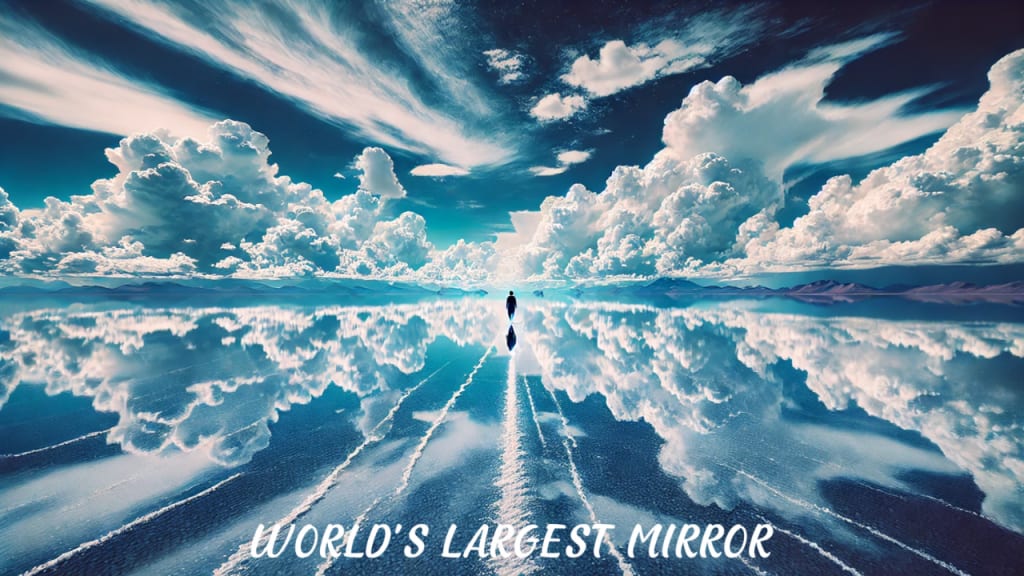
Imagine standing on the edge of the world, where the sky meets the earth in a seamless, infinite reflection. Welcome to Salar de Uyuni, Bolivia’s iconic salt flat and one of the most surreal landscapes on the planet. Known for its stunning mirror effect, Salar de Uyuni transforms into a giant, natural looking glass during the rainy season, creating an otherworldly spectacle that leaves visitors spellbound.
But how does this dazzling mirror effect come to life? Let’s dive into the science, beauty, and allure of this natural wonder, and why it’s a must-see destination for travelers and photographers alike.
What Is Salar de Uyuni?
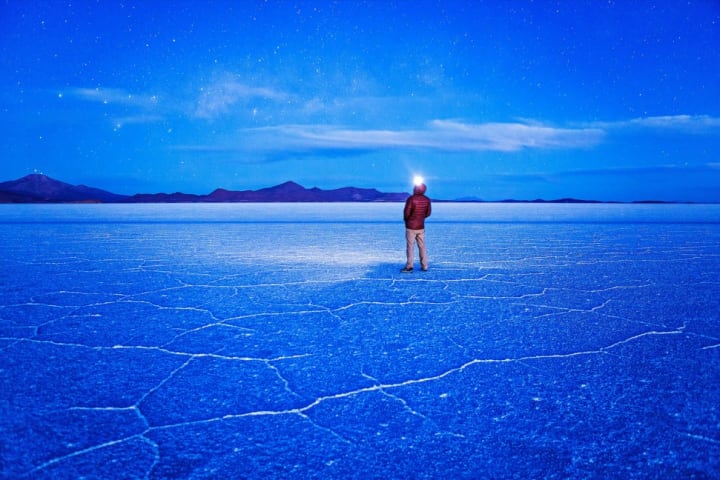
Salar de Uyuni is the world’s largest salt flat, stretching over 10,000 square kilometers in southwest Bolivia. Formed from prehistoric lakes that evaporated long ago, this vast expanse of white salt crusts is dotted with cacti-covered islands and surrounded by the dramatic Andes Mountains.
While it’s stunning year-round, Salar de Uyuni becomes truly magical during the rainy season, typically between December and April. When a thin layer of water collects on the surface, the flat transforms into the world’s largest mirror, creating a perfect reflection of the sky and clouds above.
The Science Behind the Mirror Effect
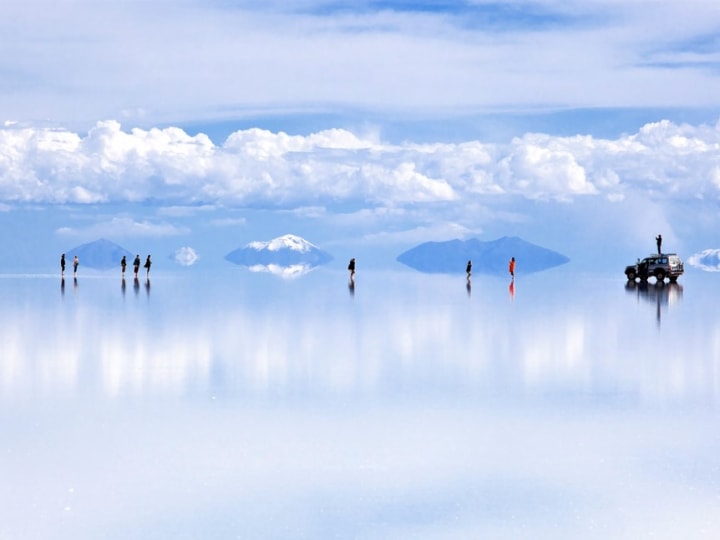
The mirror effect at Salar de Uyuni is a natural phenomenon driven by simple physics. When rainwater floods the flat, it forms a shallow layer that covers the salt crust. Because the flat is incredibly level—seriously, it’s one of the flattest places on Earth—the water spreads evenly, creating a perfect, glass-like surface.
The reflective properties of the salt, combined with the shallow water, turn the entire area into a giant mirror. This creates the illusion that you’re walking on air, with the horizon disappearing into a never-ending expanse of sky.
Why Is Salar de Uyuni So Flat?
Salar de Uyuni’s remarkable flatness is a result of its geological history. Millions of years ago, the area was part of a massive prehistoric lake known as Lake Minchin. As the lake dried up, it left behind a thick crust of salt. Over time, sediment and mineral deposits from subsequent lakes smoothed out the surface, creating the vast, level expanse we see today.
Salar de Uyuni: The World's BIGGEST Mirror
Experiencing the Mirror Effect
Visiting Salar de Uyuni during the rainy season offers a chance to witness the mirror effect in all its glory. Here’s what you can expect:
1. A Photographer’s Dream
The mirror effect creates endless opportunities for breathtaking photos. The reflections blur the line between sky and earth, making it the perfect canvas for optical illusions, creative compositions, and jaw-dropping landscapes.
2. Walking on Water
The shallow water creates the surreal experience of walking on what feels like an endless mirror. As you stroll across the flats, you’ll feel like you’re floating between two skies, a sensation that’s as disorienting as it is awe-inspiring.
3. Stunning Sunrises and Sunsets
Sunrises and sunsets at Salar de Uyuni are nothing short of magical. The mirror effect amplifies the colors, turning the sky into a kaleidoscope of pinks, oranges, and purples, all perfectly mirrored on the surface below.
Best Time to Visit
If you want to experience the mirror effect, plan your visit between December and April, when the rainy season is in full swing. However, even outside of this period, the salt flats offer unique attractions, including stark white landscapes and the chance to explore the famous Incahuasi Island, home to giant cacti and stunning panoramic views.
Beyond the Mirror: Other Highlights of Salar de Uyuni
While the mirror effect is the main draw, Salar de Uyuni has plenty more to offer:
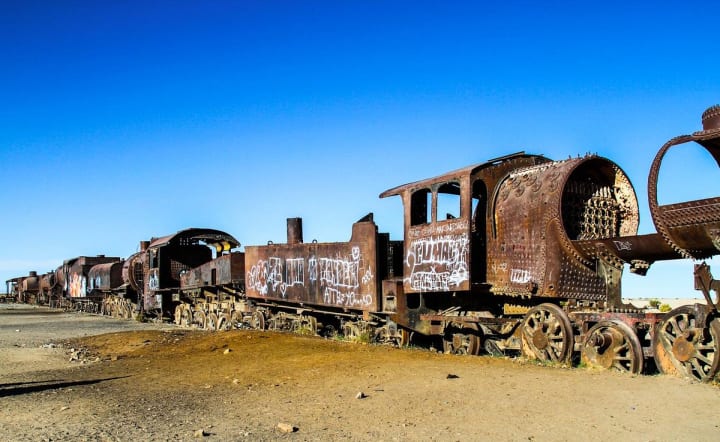
1. The Train Cemetery
Located near the town of Uyuni, this eerie site is home to rusting, abandoned locomotives that date back to the early 20th century. It’s a must-see for history buffs and Instagram enthusiasts alike.
2. Salt Hotels
Yes, you can actually stay in a hotel made entirely of salt! These unique accommodations offer a one-of-a-kind experience, blending rustic charm with modern comfort—all while surrounded by the endless expanse of the salt flats.

3. Stargazing
With minimal light pollution, Salar de Uyuni is one of the best places on Earth for stargazing. On clear nights, the mirrored surface creates a surreal double sky, reflecting constellations in perfect clarity.

Preserving Salar de Uyuni
While Salar de Uyuni is a natural wonder, it’s also a fragile ecosystem. Tourism and the extraction of lithium—a vital component for batteries—pose environmental challenges. Efforts are underway to balance economic development with conservation, ensuring that this breathtaking landscape can be enjoyed by future generations.
Final Thoughts: A Natural Wonder Like No Other
Salar de Uyuni’s mirror effect isn’t just a visual spectacle—it’s a profound reminder of nature’s beauty and the incredible forces that shape our world. Whether you’re an avid photographer, an intrepid traveler, or simply someone who appreciates the wonders of the natural world, this Bolivian treasure promises an unforgettable experience.
So, next time you find yourself dreaming of distant horizons and surreal landscapes, remember Salar de Uyuni—a place where the sky meets the earth, and the ordinary becomes extraordinary.
About the Creator
Keep reading
More stories from Marveline Merab and writers in Earth and other communities.
Socotra Island's Unique Flora: Nature’s Alien Wonderland
When it comes to Earth’s most peculiar landscapes, Socotra Island stands in a league of its own. Located in the Arabian Sea, just off the coast of Yemen, this remote island looks like it was plucked from the pages of a science fiction novel. But Socotra’s not just about stunning scenery—it’s the flora here that steals the show. From trees that ooze blood-red sap to plants shaped like giant green bottles, Socotra is home to some of the most unique botanical wonders on the planet.
By Marveline Merababout a year ago in Earth
Top Australian Writers’ Festival Cancelled After Palestinian Author Barred
One of Australia’s most respected literary festivals has been cancelled following a fierce backlash over the decision to bar a Palestinian author from participating. What began as a programming dispute quickly escalated into a national debate about free speech, cultural inclusion, and political pressure in the arts. The cancellation has sent shockwaves through Australia’s literary community, raising urgent questions about whose voices are allowed on public platforms and at what cost.
By Aarif Lashari4 days ago in Earth
The Trans Youth Athletes in the US Fighting for Their Rights: ‘Playing Is an Act of Resistance’
Across the United States, sports have become an unexpected front line in the fight over transgender rights. For many trans youth athletes, simply stepping onto a field, track, or court is no longer just about competition—it is an act of resistance. As state legislatures debate and pass laws restricting transgender participation in school sports, young athletes are finding themselves at the center of a national culture war that reaches far beyond the locker room.
By Aarif Lashari4 days ago in Earth




Comments (1)
Fantastic