
Safety Concerns Raised Over the World's Highest Shiva Temple: Tungnath
Monsoon Damage Threatens World's Highest Shiva Temple, Restoration Efforts Underway

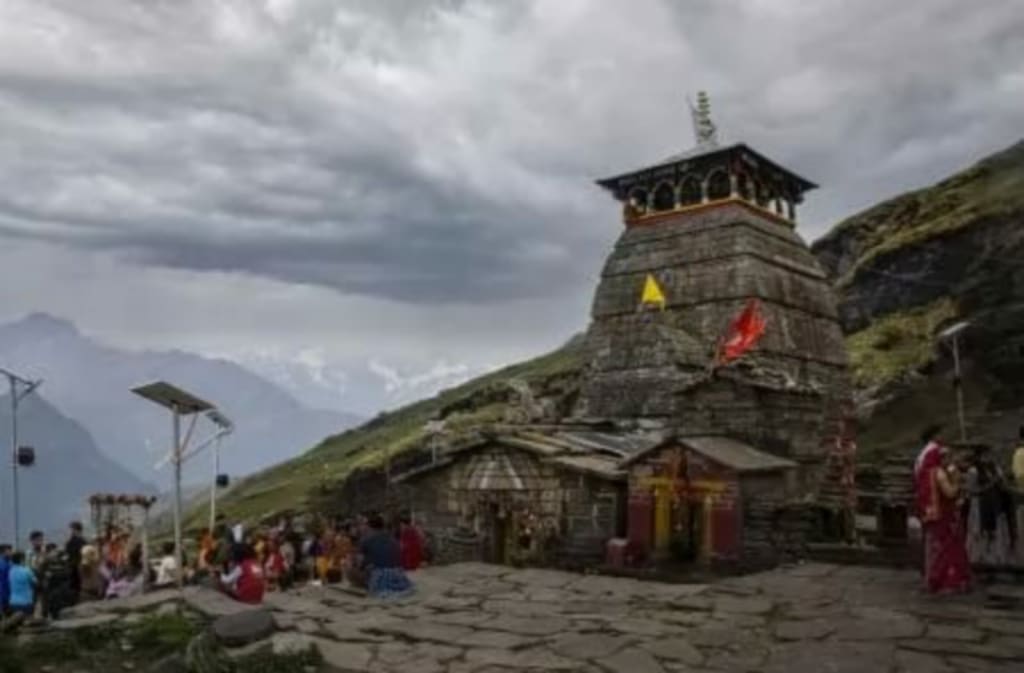
Indian authorities have recently issued a safety warning to visitors planning to travel to the Tungnath Temple, the highest Shiva temple in the world. The temple, located in the Rudraprayag district of Uttarakhand, North India, has suffered structural damage, primarily due to heavy monsoon rains. This iconic religious site is now considered unsafe for visitors until necessary repairs are made.
The Importance of Tungnath Temple
Tungnath Temple holds a special place in Hinduism, particularly for followers of Shaivism, a major sect devoted to the worship of Lord Shiva. Situated at a remarkable altitude of 3,680 meters (12,073 feet), the temple attracts pilgrims and tourists alike. Its location in the majestic Garhwal Himalayas, combined with its religious significance, makes it a revered destination. The temple’s name, Tungnath, translates to "Lord of the Peaks," emphasizing its connection to the towering mountains that surround it.
Damage Caused by Monsoon Rains
Unfortunately, the monsoon season in India, which typically lasts from June to September, has taken a heavy toll on the ancient structure of Tungnath Temple. The temple's primary construction materials—slate bricks and slabs—have been weakened by prolonged exposure to water. According to reports, the foundation has become unstable, the walls have started shifting, and water leakage has worsened during the rainy season. The Badrinath Kedarnath Temple Committee, responsible for managing the site, has warned visitors about the dangers posed by these structural issues.
In a statement to The Economic Times, Ajendra Ajay, head of the temple committee, highlighted the severity of the situation: "The temple is facing serious issues like subsidence, weakening foundation, and shifting wall slates, which have caused water leakage, especially during the rainy season."
The structural problems are significant enough that authorities have reached out to experts from the Geological Survey of India and the Central Building Research Institute. These organizations have been tasked with assessing the damage and suggesting ways to restore the temple. The government is prioritizing the temple’s repair to ensure it remains a safe and accessible site for devotees and tourists.
The Impact of Monsoons on the Temple
Monsoon rains are essential to India’s agricultural cycle, but they also bring a variety of challenges, particularly in regions like Uttarakhand, where high altitudes and rugged terrain increase vulnerability to natural elements. Tungnath Temple, perched at a high elevation, is more exposed to extreme weather conditions than many other religious sites. This year’s monsoon season has exacerbated the damage, leading to fears that the temple may face long-term threats if repairs are not undertaken soon.
According to the Climate Prediction Center, India receives around 90 percent of its annual rainfall during the monsoon season. However, experts have also warned that climate change may be making the monsoons more intense and unpredictable. A report by The Economist in 2021 suggested that rainfall in India could increase by 5.5 percent, creating further risks for structures like the Tungnath Temple that are already vulnerable to water damage.
The Religious and Cultural Importance of Lord Shiva
The Tungnath Temple is not just a physical structure; it is a symbol of deep spiritual and cultural significance. Lord Shiva, to whom the temple is dedicated, is one of the three main deities in Hinduism, along with Brahma and Vishnu. Shiva is revered as the destroyer and transformer, embodying the cycle of life, death, and rebirth. Followers of Shaivism, one of the largest sects in Hinduism, hold Lord Shiva in the highest regard, and temples dedicated to him are considered sacred spaces.
Tungnath Temple, being the highest temple dedicated to Lord Shiva, is a particularly important pilgrimage site. Many Hindus journey to this remote location to offer prayers and seek blessings. The temple’s location in the Himalayan mountains adds to its spiritual significance, symbolizing a connection between the earthly and the divine.
Government Response and Restoration Efforts
In response to the safety concerns, Uttarakhand's tourism minister, Satpal Maharaj, has assured the public that the government is taking the matter seriously. The minister emphasized that the repair of Tungnath Temple is a priority, stating, "Given the temple's water leakage and structural problems, the government is prioritizing its repair to ensure the structure remains safe for all visitors."
The restoration process will likely involve stabilizing the foundation, repairing the walls, and improving drainage systems to prevent further water damage. Experts from the Geological Survey of India and the Central Building Research Institute are expected to provide valuable insights on how best to carry out these repairs without compromising the temple’s historical and cultural integrity.
Conclusion
While the safety warning is a temporary setback for pilgrims and tourists hoping to visit Tungnath Temple, it is necessary to ensure the preservation of this important site. As the highest Shiva temple in the world, Tungnath holds immense religious and cultural value, and its protection is essential for future generations.
In the meantime, visitors are advised to stay informed about the progress of the repairs and heed any safety warnings issued by authorities. With the government and experts working together, the hope is that Tungnath Temple will soon be restored to its full glory, allowing devotees to once again worship at this sacred mountain shrine.
About the Creator
Keep reading
More stories from Black Rose and writers in Earth and other communities.
Hurricane Helene Gathers Strength, Threatens Florida and Southeast with Life-Threatening Storm Surge
Hurricane Helene is intensifying as it moves towards the Florida Panhandle, bringing with it potentially catastrophic conditions. With sustained winds of 90 mph and expected to increase, Helene is poised to become one of the largest and most dangerous storms to hit the Gulf of Mexico in over a century. As the storm approaches, residents across the region are preparing for life-threatening storm surges, widespread power outages, and significant flooding.
By Black Roseabout a year ago in Earth
TODAY’S WEATHER NEWS ACROSS THE UNITED STATES WHAT AMERICANS SHOULD EXPECT RIGHT NOW
TODAY’S WEATHER NEWS ACROSS THE UNITED STATES WHAT AMERICANS SHOULD EXPECT RIGHT NOW Weather conditions continue to be one of the most discussed daily topics across the United States, especially as seasonal transitions bring noticeable changes in temperature, storms, and regional weather patterns. Today’s weather reflects a mix of warming trends, lingering cold pockets, and active systems affecting different parts of the country. From the West Coast to the East Coast, Americans are paying close attention to how temperatures will feel, whether rain or snow is expected, and how conditions may impact daily routines.
By America today about an hour ago in Earth
The Reality of the Illusion of Time
Recently, as I strolled along the short stretch to my strength training session, I aimlessly took in the row of tatty shops and shabby buildings along the route and passed an off-street, in which one of my sisters used to live, around thirteen years ago.
By Chantal Christie Weiss4 days ago in Earth


Comments
There are no comments for this story
Be the first to respond and start the conversation.