
Russia's Ruble Crisis: Economic Strain Sparks Central Bank Intervention
The Ruble in Freefall: Russia Confronts an Imminent Economic Crisis
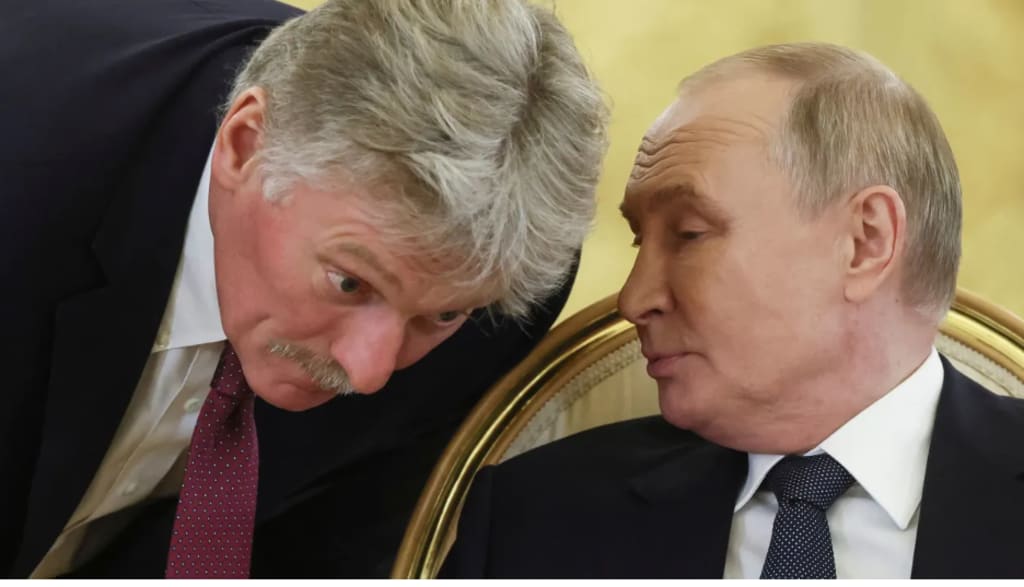
Russia's economy faces mounting challenges as the ruble plummets, prompting urgent measures from the nation's central bank. This week, the ruble fell to 114 against the U.S. dollar, its weakest point since March 2022, following the initial wave of sanctions after Russia's invasion of Ukraine. In response, the Central Bank of Russia (CBR) suspended foreign currency purchases on the domestic market, a move aimed at stabilizing financial volatility.
A Currency in Freefall
The rapid devaluation of the ruble has sparked concerns over the stability of Russia’s economy. While the CBR’s intervention helped the ruble rebound slightly to 110 per dollar, the currency's depreciation reflects deeper economic vulnerabilities. Kremlin officials, including President Vladimir Putin, downplayed the situation, attributing the fluctuations to seasonal and budgetary factors rather than systemic economic issues. "There are absolutely no grounds for panic," Putin reassured during a press conference.
Kremlin spokesman Dmitry Peskov also dismissed concerns, suggesting that ordinary Russians would be unaffected since salaries are paid in rubles. However, economists and market analysts have pointed to the ruble's decline as evidence of a deteriorating economic landscape, with Timothy Ash, an emerging markets strategist, describing the situation as a "proper currency crisis in the making."
Causes of the Ruble’s Decline
The ruble's fall can be attributed to multiple factors, including:
New Sanctions: Last week, the U.S. announced a new round of sanctions targeting Gazprombank, a key institution for Russia’s energy exports. These sanctions block the bank's ability to process energy-related transactions involving the U.S. financial system. This development has added strain to an already beleaguered economy.
Inflation and Domestic Challenges: Inflation in Russia remains stubbornly high, standing at 8.5% in October. Essential goods such as butter and potatoes have seen sharp price increases, adding to the financial burden on Russian households.
War Economy Strains: Russia’s ongoing war in Ukraine continues to siphon resources, driving up defense spending and exacerbating supply chain and labor shortages. While the Kremlin has denied prioritizing "guns over butter," the economic impact of the conflict is undeniable.
External Pressures: A strengthening U.S. dollar has compounded the ruble's decline, as global currencies face renewed volatility.
Economic Consequences
The weakening ruble has far-reaching implications for Russia’s economy. Higher inflation, increased interest rates, and reduced consumer purchasing power threaten to erode economic growth. The central bank’s interest rate hike to 21% has so far failed to rein in rising prices. Economists warn of a slowdown in GDP growth, with the International Monetary Fund (IMF) predicting 3.6% growth for 2024 but a sharp deceleration to 1.3% in 2025.
The devaluation has also heightened economic inequality. While the Kremlin insists that the economic situation is under control, black market prices for goods tell a different story, revealing the struggles of a wartime economy nearing its limits.
The Kremlin's Response
Russian officials have largely blamed Western sanctions for the ruble's troubles. Economic Development Minister Maxim Reshetnikov emphasized that the trade balance remains strong and attributed the currency's decline to external factors, including sanctions and global dollar strength. "The current weakening of the exchange rate is not related to fundamental factors," Reshetnikov stated.
However, critics argue that such explanations overlook deeper structural problems within Russia’s economy. Joseph Brusuelas, an economist at RSM US, described the situation as an "overheated economy struggling to support its war effort."
Global Implications
The ruble's instability could have broader ramifications, particularly for countries that maintain trade relations with Russia. Western sanctions, coupled with efforts to reduce dependency on Russian energy, are reshaping global economic dynamics. Meanwhile, Russia’s reliance on a shrinking pool of trading partners underscores its isolation from major global markets.
What’s Next?
As the ruble’s crisis unfolds, economists and geopolitical analysts are closely monitoring Russia’s next moves. The CBR’s suspension of foreign currency purchases is viewed as a stopgap measure, and further interventions may be necessary if the ruble continues to weaken. Observers predict continued economic turbulence as inflation pressures mount and sanctions tighten.
For Russia, the road ahead looks increasingly precarious. Balancing domestic stability with the demands of a war-driven economy will test the resilience of its financial systems. As the Kremlin navigates this economic storm, the ruble's trajectory will serve as a barometer of the nation's broader economic health.
About the Creator
Keep reading
More stories from GoldenSpeech and writers in Earth and other communities.
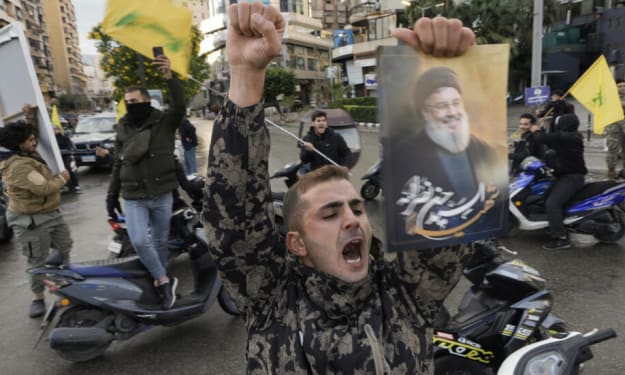
Hezbollah After the Ceasefire: Victory or Vulnerability in Post-War Lebanon?
As Lebanon and Israel observe a newly implemented ceasefire, the Hezbollah party faces a moment of reckoning. While its leaders claim victory, critics within Lebanon paint a different picture, describing the group as weakened and vulnerable. As the region begins to rebuild, the challenges for Hezbollah are far from over.
By GoldenSpeechabout a year ago in Earth
greenland
Greenland The World’s Largest Island of Ice Nature and Mystery Greenland is one of the most fascinating places on Earth, known for its vast ice sheets, dramatic landscapes, and unique culture. It is the largest island in the world, located between the Arctic and Atlantic Oceans. Many people search for information about Greenland because of its extreme climate, political status, natural resources, and growing importance in global discussions about climate change.
By America today 7 days ago in Earth
Tea of Silence
The snow had covered the hills for days, turning the land into a quiet white world where sound seemed afraid to exist. On the highest of these hills, beneath a dry, leafless tree, a young man sat alone. The tree had long ago lost its strength, its branches thin and broken, but it still stood, as if refusing to disappear. The young man chose this place often, not because it was comfortable, but because it was honest.
By Bilal Mohammadia day ago in Earth


Comments
There are no comments for this story
Be the first to respond and start the conversation.