
Rising Waters, Silent Streets
When the Flood Came, Only Hope Could Swim

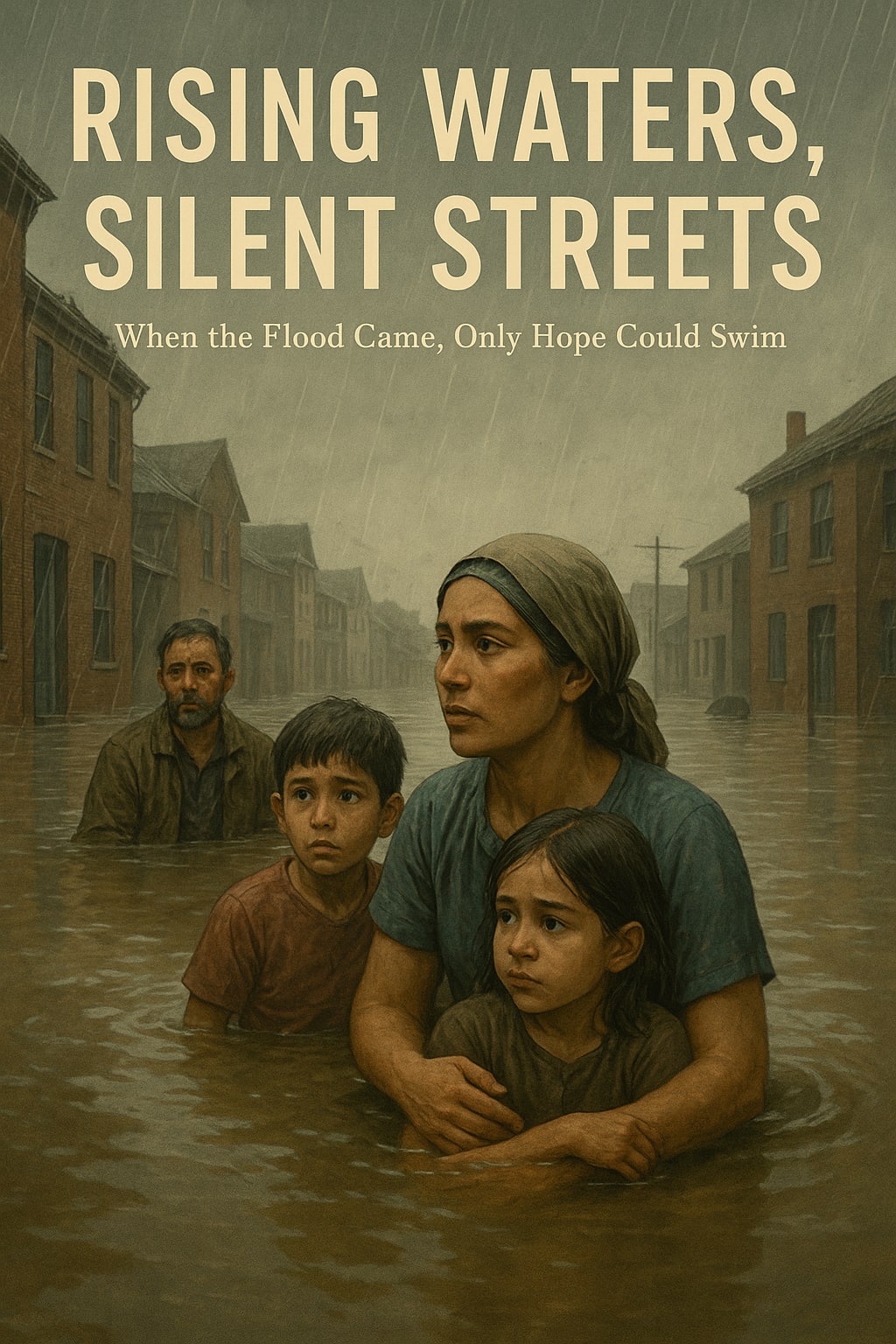
The morning the rain didn’t stop, no one in the small town of Noorabad thought much of it. The villagers had seen monsoon downpours before—loud, wild, but gone by dawn. But this time, the clouds stayed, hanging low like a heavy blanket, and the rain kept falling.
It started with whispers. A family by the riverside packed up and left, saying the river’s edge was creeping into their courtyard. Others dismissed it as panic. But by nightfall, the whispers turned into shouts. The river had burst its banks.
Sana, a schoolteacher, stood at the window of her small house near the mosque, watching the muddy water slide into the street. Her husband had gone to check on neighbors. Their two young children sat beside her, clinging to a dim hope that the storm would pass. But the storm wasn’t just above them—it was around them now, rising inch by inch.
The power went out. Cell signals faded. Panic began to ripple through the town. The sirens that were meant to warn them had come too late.
By the next morning, Noorabad was drowning.
The streets that once buzzed with bicycles, children’s laughter, and the calls of street vendors were now eerily silent. Water lapped against shop windows. Homes like Sana’s were now islands, floating between memories and fear.
On the rooftop of their house, Sana huddled with her children beneath a plastic sheet. She could see others—neighbors waving from rooftops, people using wooden doors and plastic drums as makeshift rafts. The only sound now was the endless splash of rain and the distant cries for help.
Then came the news: a rescue boat was making rounds from the main road. But it would take time. Hours passed. One boat. Dozens stranded.
A boy no older than twelve rowed past on a raft of tied-up jerry cans. He tossed bottles of water and shouted names, searching for his family. An elderly man nearby sobbed quietly, his wife missing since the night before. A young couple clutched their infant as they balanced on the narrow terrace ledge.
Still, people didn’t give up.
Sana shared the last of her boiled rice with the family on the adjacent rooftop, passing it across on a broomstick. Children sang songs to keep spirits alive. A teenage girl set up a white bedsheet as a flag, spelling “HELP” in bold letters with charcoal.
At dusk, they heard it—the sound of a motorboat. Shouts erupted as the rescue team in bright vests appeared. Sana’s eyes filled with tears as she pushed her children forward. “Take them first,” she pleaded.
The rescue worker nodded, lifting the little ones into the boat. Sana stayed behind, watching the boat shrink into the mist. She knew they’d return—but every minute felt like a lifetime.
In the quiet that followed, she looked around at her soaked town. Noorabad had always been humble—built with love and sweat and generations of resilience. Now it was a town swallowed by water, but not by despair.
That night, as the clouds finally began to part and the moon peeked through for the first time in days, Sana whispered stories to herself to stay awake. Stories of old Noorabad. Of laughter in the markets. Of the tree where children tied wishes. Of festivals that lit up every window.
By morning, the boat returned. And Sana was ready.
In the weeks that followed, Noorabad would be declared a disaster zone. Aid would come. So would media, drones, and promises from officials. But the true story wouldn’t be in headlines.
It would be in the silent streets where strangers became family. In the rooftop songs. In the jerry-can boats. In the strength of people like Sana who had nothing left but gave everything.
Noorabad would rise again.
And the waters would fall.
About the Creator
Raza Ullah
Raza Ullah writes heartfelt stories about family, education, history, and human values. His work reflects real-life struggles, love, and culture—aiming to inspire, teach, and connect people through meaningful storytelling.
Keep reading
More stories from Raza Ullah and writers in Earth and other communities.
Where the World Finds Peace
Amina’s life had become a whirlwind of deadlines, noise, and endless screens. The city’s constant buzz drowned out her thoughts, leaving her restless and tired. She longed for a place where silence wasn’t empty, but full — full of calm, of stillness, of peace.
By Raza Ullah7 months ago in Earth
georgia power outage map
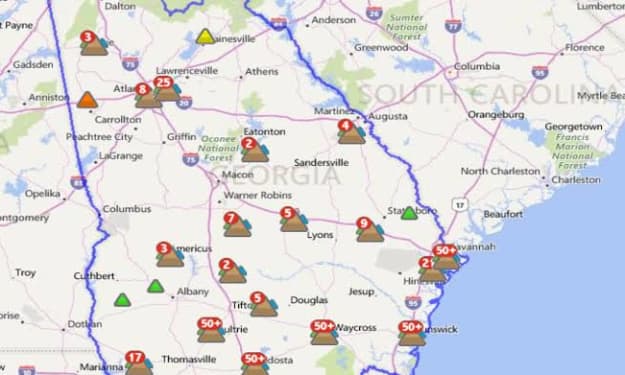
Power outages can be stressful, especially when they happen unexpectedly during severe weather. In Georgia, where storms, heavy rain, and strong winds are common, residents rely on accurate and timely information to stay prepared. One of the most trusted tools during these moments is the Georgia Power outage map, which provides real-time updates about electricity disruptions across the state. As Georgia weather continues to grow more unpredictable, understanding how to use this resource — and how it connects with local news coverage — has become increasingly important for households, businesses, and travelers alike. What Is the Georgia Power Outage Map? The Georgia Power outage map is an online platform that shows active power outages throughout Georgia. It allows users to view affected areas, the number of customers without power, and estimated restoration times. The map updates regularly, making it a reliable source during fast-changing situations such as thunderstorms or widespread weather events. During major storms, residents often check the outage map alongside local Atlanta news broadcasts to confirm whether power interruptions are isolated or part of a larger issue. This combination of real-time data and trusted reporting helps people make informed decisions. The Role of Weather in Atlanta Power Outages Weather in Atlanta can shift rapidly, particularly during spring and summer storm seasons. Thunderstorms, lightning strikes, falling trees, and high winds frequently contribute to power disruptions. Even during winter, ice accumulation and strong gusts can damage power lines and equipment. Meteorologists covering weather Atlanta events often explain how certain conditions increase the risk of outages. When these forecasts are paired with updates from Georgia Power, residents gain a clearer picture of what to expect before, during, and after a storm. Local outlets like WSBTV and Channel 2 News regularly provide storm coverage that includes outage information. Their reporting often highlights which counties or neighborhoods are most affected, offering context that goes beyond the map alone. Why Local News Coverage Matters While the outage map shows where electricity is down, local journalism adds depth and explanation. Atlanta news stations frequently interview GA Power representatives, emergency officials, and meteorologists to explain restoration efforts and safety concerns. For example, WSBTV may report on how many repair crews are deployed or whether road closures are slowing response times. Channel 2 News often shares safety reminders, such as avoiding downed power lines or using generators responsibly. This type of coverage is especially valuable during large-scale outages caused by severe Georgia weather, when thousands of customers may be affected at once. Impact on Travel and Critical Infrastructure Power outages don’t only affect homes. Transportation hubs, hospitals, and businesses must also prepare for potential disruptions. The Atlanta airport, one of the busiest in the world, closely monitors regional power conditions. Although the airport has backup power systems, widespread outages in surrounding areas can still cause delays or operational challenges. That’s why outage updates are often mentioned during breaking Atlanta news, especially when storms impact travel schedules. Businesses across metro Atlanta also rely on timely updates to decide whether to close early, switch to backup systems, or allow employees to work remotely. How Georgia Power Responds to Outages When outages occur, Georgia Power dispatches crews to assess damage and begin repairs as quickly as possible. Restoration times can vary depending on the severity of the damage and the number of customers affected. During major storms, GA Power often prioritizes critical facilities such as hospitals and emergency services. Local news outlets frequently explain this process so customers understand why some areas regain power sooner than others. By checking the outage map and following updates from Atlanta news sources, residents can track progress without relying on rumors or unverified social media posts. Staying Prepared During Georgia Weather Events Preparation is key when it comes to power outages. Experts recommend keeping emergency supplies on hand, including flashlights, batteries, and portable phone chargers. Staying informed through trusted sources like WSBTV, Channel 2 News, and official Georgia Power updates can reduce uncertainty during stressful situations. Understanding both weather in Atlanta forecasts and outage data allows residents to plan ahead — whether that means charging devices early, adjusting travel plans, or checking on vulnerable neighbors. Final Thoughts The Georgia Power outage map has become an essential tool for navigating power disruptions across the state. When combined with accurate reporting from Atlanta news outlets and up-to-date Georgia weather forecasts, it provides a clear and reliable picture during uncertain times. In a region where storms can develop quickly, staying informed isn’t just convenient — it’s necessary. By using the outage map and following trusted local coverage, Georgians can remain prepared, connected, and safer when the power goes out.
By Saboor Brohi 5 days ago in Earth
Warships and Fighter Jets: What Is the ‘Massive’ US Armada on Its Way to Iran?
A Show of Force in a Volatile Region The United States has begun deploying what officials and analysts are describing as a “massive” military armada toward the Middle East, amid rising tensions with Iran. The movement includes aircraft carriers, guided-missile destroyers, submarines, and advanced fighter jets, signaling one of the most significant American military postures in the region in recent years.
By Aarif Lashariabout 17 hours ago in Earth


Comments (1)
Floods that change everythings.