
Rice Husk Pyrolysis Recycling and Sustainable Development Goals
Rice Husk Pyrolysis Recycling and Sustainable Development Goals

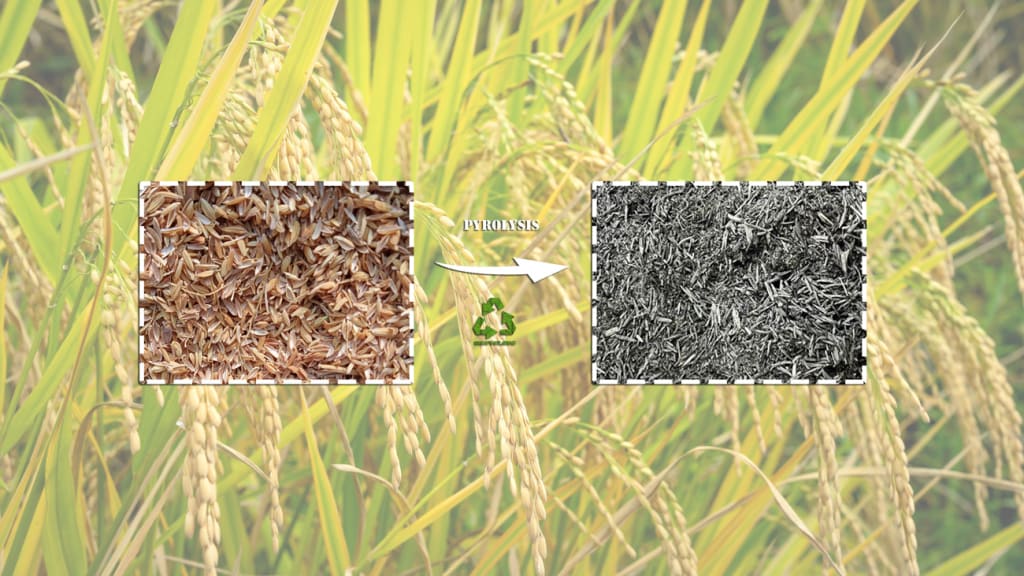
Rice husk, a byproduct of rice milling, is a significant agricultural waste that poses disposal challenges and environmental concerns. Traditionally viewed as a nuisance, rice husk is often burned, leading to air pollution and waste of valuable resources. However, through pyrolysis, rice husk can be transformed into valuable products, contributing to the achievement of several Sustainable Development Goals (SDGs) and promoting a circular economy.
Pyrolysis is a thermochemical process that decomposes organic materials at high temperatures in the absence of oxygen. This process results in the production of biochar, bio-oil, and syngas from rice husk. Each of these products has unique applications that can significantly benefit various sectors.
Biochar: This stable, carbon-rich material enhances soil fertility and sequesters carbon. By improving soil structure and retaining moisture, biochar contributes to healthier crop yields, making it a vital resource for farmers.
Bio-oil: A renewable energy source, bio-oil can be used for heating or further refined into various fuels. It presents an opportunity to reduce reliance on fossil fuels and promotes the use of renewable energy in agricultural practices.
Syngas: A mixture of hydrogen and carbon monoxide, syngas can be utilized for energy generation or as a building block for producing chemicals and fuels. Its versatility makes it a valuable resource in the transition to sustainable energy systems.
Aligning with Sustainable Development Goals (SDGs)
Rice husk pyrolysis aligns with several SDGs, showcasing its multifaceted benefits:
SDG 7: Affordable and Clean Energy
The bio-oil and syngas generated from rice husk pyrolysis provide renewable energy alternatives. This reduces reliance on fossil fuels and contributes to energy security, particularly in rural areas where energy access may be limited.
SDG 12: Responsible Consumption and Production
By converting agricultural waste into useful products, pyrolysis supports sustainable production patterns and encourages the recycling of materials. This approach minimizes waste and promotes the efficient use of resources.
SDG 13: Climate Action
The carbon sequestration potential of biochar helps combat climate change. By storing carbon in the soil, biochar not only mitigates greenhouse gas emissions but also enhances soil health, making pyrolysis an essential tool for climate resilience.
SDG 15: Life on Land
Improving soil health through biochar application supports sustainable land management practices. This, in turn, promotes biodiversity and ecosystem health, vital for maintaining the balance of terrestrial ecosystems.
SDG 1: No Poverty
Rice husk pyrolysis can create opportunities for value-added products from agricultural waste. This not only enhances livelihoods in rural communities but also contributes to poverty alleviation by providing new income streams for farmers and entrepreneurs.
Economic and Social Benefits
In addition to its environmental benefits, rice husk pyrolysis offers significant economic and social advantages. By converting waste into valuable products, it creates jobs in rural areas, from the collection of rice husk to the operation of pyrolysis facilities. This can stimulate local economies and empower communities to invest in sustainable practices.
Furthermore, the adoption of rice husk charcoal machine can lead to technological advancements and innovation in waste management. As more communities embrace this process, knowledge transfer and skill development will enhance the capacity of rural populations to engage in sustainable agricultural practices.
Rice husk pyrolysis presents a sustainable solution to waste management while contributing to multiple Sustainable Development Goals. By transforming agricultural waste into valuable products, this process addresses environmental concerns and promotes economic development and social well-being. As the world seeks innovative strategies for sustainability, rice husk pyrolysis stands out as a promising approach that aligns with the global agenda for sustainable development.
Through the effective implementation of pyrolysis technologies, we can not only tackle the challenges posed by agricultural waste but also create a cleaner, greener future. Investing in rice husk pyrolysis is not just an environmental imperative; it is a pathway toward sustainable development that can benefit our planet and its inhabitants for generations to come.
About the Creator
Bestonpyrolysis
Engaged in waste plastic/tyre/rubber recycling, oil sludge treatment, biomass recycling, sewage sludge management and paper recycling…
https://bestonpyrolysisplant.com/
Keep reading
More stories from Bestonpyrolysis and writers in Earth and other communities.
Choosing High-Performance Carbonized Rice Husk Making Machine
As the demand for sustainable and eco-friendly products rises, rice husks are becoming increasingly valuable as a resource. Investing in a carbonized rice husk making machine is a smart business move, but not all machines are created equal. Some can set you on a path to substantial profits, while others could lead to significant financial setbacks. To make the best decision, it’s essential to conduct thorough research and due diligence. Below are some fundamental elements to look for in a great carbonized rice husk making machine, helping you make a sound investment that aligns with your business goals.
By Bestonpyrolysisabout a year ago in Earth




Comments
There are no comments for this story
Be the first to respond and start the conversation.